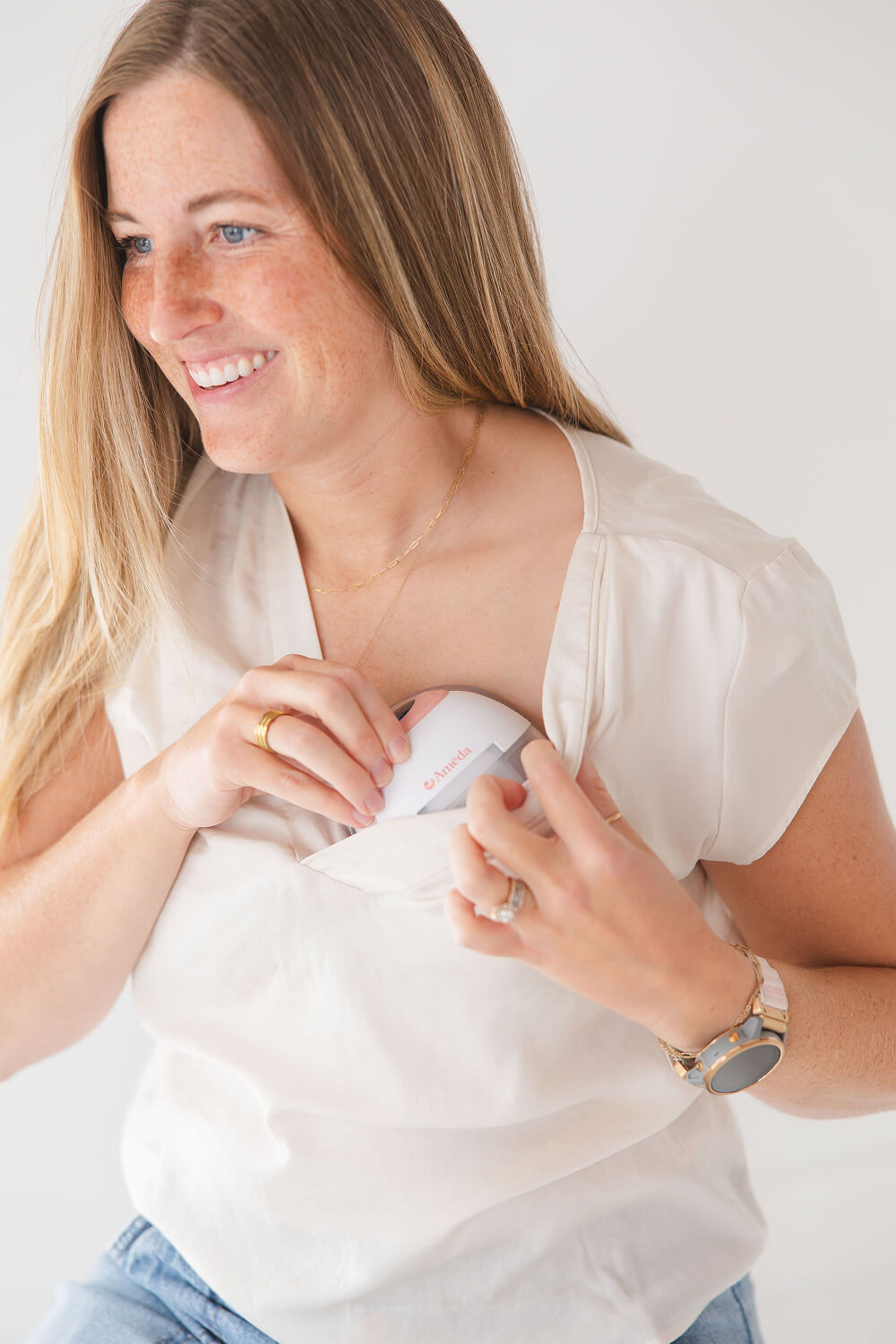
Welcoming a newborn into your life is both exciting and overwhelming. You’re probably juggling endless questions and worries about how to care for your baby while also trying to take care of yourself.
What if you had simple, practical tips that could make those first weeks easier and more enjoyable? This article is made just for you. Keep reading to discover 10 great tips that will help you feel more confident and calm as you navigate the beautiful chaos of motherhood.
Your journey with your newborn can be smoother—and you deserve that.
Creating A Safe Sleep Space
Creating a safe sleep space is one of the most important steps for new moms. A secure area helps your baby rest well and stay protected. It lowers the risk of accidents and sudden infant death syndrome (SIDS). Setting up the right sleep environment takes careful thought and simple choices.
Choosing The Right Crib And Mattress
Pick a crib that meets current safety standards. Avoid cribs with drop sides or loose parts. The mattress should fit snugly inside the crib. Use a firm mattress to support your baby’s body. Soft mattresses can cause breathing problems. Keep the crib clear of toys, pillows, and blankets. These items can block your baby’s airways.
Safe Sleep Positions
Always place your baby on their back to sleep. This position reduces the risk of SIDS. Avoid letting your baby sleep on their stomach or side. Use a sleep sack instead of loose blankets. It keeps your baby warm without extra bedding. Never share a bed with your baby. Room-sharing is safer but keep the baby’s space separate.
Room Temperature And Lighting
Keep the baby’s room at a comfortable temperature. Around 68 to 72 degrees Fahrenheit works well. Overheating can increase SIDS risk. Use a nightlight for dim, soft lighting. Bright lights can disturb your baby’s sleep. Make sure the room is quiet and calm. This helps your baby settle and rest better.
Establishing Feeding Routines
Feeding is one of the most important parts of caring for a newborn. Establishing a feeding routine helps both mom and baby feel calm and secure. A regular schedule can make feeding times smoother and less stressful. It also helps the baby grow strong and healthy.
Every baby is different. Some feed more often, some less. Watch your baby closely and adjust the routine as needed. This way, feeding becomes a natural part of your daily life.
Breastfeeding Tips
Find a comfortable spot to feed your baby. Support your back and arms well. Hold your baby close, tummy to tummy.
Make sure your baby latches on correctly. A good latch prevents pain and helps your baby get enough milk. Let your baby finish one side before offering the other.
Feed on demand. Newborns may want to eat every two to three hours. Offer both breasts at each feeding to keep milk supply steady.
Bottle Feeding Guidelines
Choose a bottle and nipple that mimic breastfeeding. This helps your baby switch between breast and bottle easily. Warm the milk to body temperature for comfort.
Hold your baby upright during feedings. This helps prevent choking or gas. Let your baby set the pace, and do not force the bottle.
Clean bottles and nipples thoroughly after every use. Proper hygiene keeps your baby safe and healthy.
Recognizing Hunger Cues
Watch for signs your baby is hungry. Rooting, sucking on hands, or lip movements are common cues. Crying usually comes later and means your baby is very hungry.
Respond quickly to early signs. This helps your baby feel secure and prevents fussiness. Feeding on demand supports healthy growth and bonding.
Managing Newborn Sleep Patterns
Newborns have very different sleep patterns than adults. Their sleep often feels random and confusing. Managing these patterns helps both mom and baby get better rest. Understanding how to guide sleep can reduce stress and create a calm routine. Small changes can make a big difference in sleep quality.
Day And Night Differentiation
Newborns do not know the difference between day and night. They sleep in short bursts all day and night. Moms can help by making daytime bright and lively. Use natural light and noise during the day. At night, keep the room dark and quiet. This teaches the baby when it is time to sleep deeply.
Nap Scheduling
Newborns need many naps throughout the day. Try to watch for sleepy signs like yawning or rubbing eyes. Put the baby down before they get overtired. Short naps help the baby stay happy and rested. Avoid keeping the baby awake for too long. A loose nap schedule creates better sleep habits over time.
Soothing Techniques
Soothing helps babies fall asleep faster and stay asleep longer. Gentle rocking or swaying calms most newborns. Soft white noise can block out distractions. Swaddling gives a sense of security and warmth. Use a calm, soft voice to comfort the baby. These methods help newborns relax and sleep more peacefully.
Credit: www.ameda.com
Tracking Baby’s Health
Tracking your newborn’s health is vital for their well-being. It helps you spot changes early. You can keep your baby safe and healthy by watching closely. Simple daily checks can give peace of mind.
Knowing what to watch for helps you feel confident. It also supports your baby’s growth in the right way. This section covers key points to help you track your baby’s health easily.
Monitoring Growth And Weight
Keep a record of your baby’s weight and length. Babies grow fast during the first months. Check weight regularly to ensure steady growth. Use the same scale for accuracy. Note any sudden weight loss or gain. Growth charts from your doctor show normal progress. Share these records at checkups for advice.
Identifying Common Illnesses
Learn the signs of common newborn illnesses. Watch for fever, cough, or unusual fussiness. Look for changes in feeding or sleeping habits. Skin rashes and breathing trouble need attention. Early detection helps treat problems quickly. Trust your instincts if something feels wrong.
When To Call The Doctor
Contact your doctor if your baby has a high fever. Difficulty breathing or blue lips require immediate care. Persistent vomiting or refusal to feed is serious. Sudden, extreme sleepiness or unresponsiveness needs urgent help. Don’t wait to ask for advice if worried. Prompt action protects your baby’s health.
Caring For Newborn Skin
Newborn skin is delicate and needs special care. It is very sensitive and can dry out or get irritated easily. Keeping your baby’s skin healthy helps them feel comfortable and happy. Simple steps can protect their soft skin from common problems.
Bathing Tips
Use lukewarm water for your baby’s bath. Avoid hot water, which can dry out skin. Keep bath time short, about 5 to 10 minutes. Use gentle motions to clean, not scrubbing. Pat the skin dry with a soft towel instead of rubbing.
Handling Diaper Rash
Change diapers often to keep skin dry. Use a soft cloth to clean the area gently. Let the skin air out for a few minutes before putting on a new diaper. Apply diaper cream at the first sign of redness. Choose creams with zinc oxide for better protection.
Using Gentle Products
Choose soaps and shampoos made for newborns. Avoid products with fragrances or harsh chemicals. Use only a small amount during baths. Test new products on a small skin area first. Less is more with newborn skin care products.
Supporting Mom’s Well-being
Supporting a new mom’s well-being is very important after childbirth. This time is full of changes and challenges. Taking care of yourself helps you care better for your baby. Small habits can improve your health and mood.
Focus on rest, nutrition, and emotional support. These areas build strength and resilience. They help you feel balanced and calm. Here are some tips to support your well-being as a new mom.
Rest And Sleep Strategies
Rest is essential for healing and energy. Sleep can be hard with a newborn. Try to nap when your baby naps. Short naps add up and reduce tiredness.
Ask for help to have longer sleep periods. Avoid screens before bedtime to relax your mind. Create a calm, dark space for sleep. Small changes help your body rest better.
Nutrition For New Moms
Good nutrition supports recovery and milk supply. Eat balanced meals with protein, fruits, and vegetables. Drink plenty of water to stay hydrated. Healthy snacks keep energy up during busy days.
Avoid junk food that can drain your energy. Plan simple meals or ask for help cooking. Eating well helps your body heal and feel strong.
Seeking Emotional Support
Motherhood brings many emotions. Talking about your feelings can ease stress. Share your thoughts with family or friends. Join a support group to connect with other moms.
Don’t hesitate to ask for professional help if you feel overwhelmed. Emotional support is key to your mental health. You are not alone in this journey.
Bonding With Your Baby
Bonding with your newborn is a special time. It helps your baby feel safe and loved. This connection builds trust and comfort. It also supports your baby’s brain and emotional growth. Spend quiet moments together to strengthen this bond.
Skin-to-skin Contact
Hold your baby close against your bare chest. This warmth calms both of you. Skin-to-skin helps regulate your baby’s heartbeat and temperature. It also encourages breastfeeding and reduces crying. Try to do this daily, even for a few minutes.
Talking And Singing
Speak softly to your baby. Your voice is soothing and familiar. Sing lullabies or simple songs. This helps your baby recognize your voice. It also promotes language skills early on. Keep your tone gentle and happy.
Responding To Baby’s Signals
Watch your baby’s face and body carefully. Notice when they need attention or rest. Respond quickly to their cries and gestures. This builds trust and shows you care. It teaches your baby that they are safe.
Organizing Baby Essentials
Organizing baby essentials helps new moms save time and reduce stress. A tidy space makes caring for a newborn easier. Knowing where everything is helps you stay calm and focused.
Setting up specific areas for baby items keeps your home neat. It also makes daily tasks quicker. Small efforts in organizing bring big comfort during busy days.
Must-have Newborn Items
Start with basics. Diapers, wipes, and creams are essential. Have a good supply of onesies and sleepers. Keep bottles and sterilizing tools nearby if you bottle-feed. A baby blanket and burp cloths come in handy too.
Place these items where you spend most time with your baby. This avoids running around for things you need. Group similar items together for easy access.
Efficient Diaper Changing Station
Create a dedicated diaper changing spot. Use a changing table or a sturdy surface with a pad. Store diapers, wipes, and creams within arm’s reach. Keep a small trash bin nearby for used diapers.
Organize supplies in bins or caddies for quick grabbing. A well-stocked station saves time and prevents messes. Change diapers calmly and confidently with all essentials at hand.
Clothing And Laundry Tips
Sort baby clothes by size and type. Use drawer dividers or small bins to separate items. Keep daily wear in an easy-to-reach place. Store special clothes separately to avoid clutter.
Wash baby clothes with gentle detergent. Avoid fabric softeners that can irritate skin. Dry clothes completely to prevent mildew. Fold or hang clothes neatly to save space.
Handling Visitors And Social Interactions
Having visitors after a baby is born can feel both exciting and stressful. Social visits bring support and joy but also need careful handling. Protect your newborn and yourself with clear rules and calm decisions. This helps keep visits pleasant and safe for everyone.
Setting Boundaries
Decide who can visit and when. Share these rules early with family and friends. Limit visits to short times to avoid tiring yourself and the baby. Say no if you feel uncomfortable. Boundaries protect your peace and your baby’s health.
Hygiene Precautions
Ask visitors to wash their hands before holding the baby. Avoid visits from anyone who feels sick or has been recently ill. Use hand sanitizer when soap and water are not available. Clean surfaces and toys often. These steps reduce the risk of germs reaching your newborn.
Managing Overwhelm
It is okay to pause or stop visits anytime. Take deep breaths and ask for help if you feel stressed. Rest is important for your recovery and baby care. Share your feelings with close friends or family. They want to support you through this new chapter.
Credit: www.babocush.com
Planning For Postpartum Challenges
Preparing for life after birth helps ease the tough days ahead. Postpartum can bring many challenges for new moms. These include emotional shifts, physical healing, and adjusting to a new routine. Planning can make these changes less overwhelming. It helps moms feel more in control and supported. Here are some key tips for managing postpartum challenges.
Recognizing Baby Blues
Feeling sad or tired after birth is common. This is called the baby blues. It often starts a few days after delivery. Symptoms include mood swings, crying, and trouble sleeping. These feelings usually go away in two weeks. Knowing the signs helps moms accept their feelings. It also shows when to seek more help.
Accessing Professional Help
Some moms face stronger emotions called postpartum depression. This needs support from doctors or counselors. Talking to a healthcare provider early can help a lot. They can suggest therapy or medications. Getting help is not a sign of weakness. It is a step toward feeling better and caring for your baby.
Building A Support Network
Having friends and family nearby makes a big difference. They can offer practical help and emotional comfort. New moms should share their needs with trusted people. Joining local groups or online communities connects moms with others. Support networks reduce feelings of loneliness. They provide encouragement and advice during tough times.
Credit: www.hypnobabies.com
Frequently Asked Questions
How Can New Moms Establish A Sleep Routine For Newborns?
Start by setting a consistent bedtime and nap schedule. Create a calming environment with dim lights and soft sounds. Avoid overstimulation before sleep. Respond promptly to your baby’s needs to build trust and comfort. This helps your newborn develop healthy sleep patterns over time.
What Are The Best Feeding Tips For Newborn Babies?
Feed your baby on demand to ensure proper nutrition. Keep track of feeding times and amounts. Burp your baby gently after each feeding to reduce discomfort. Stay hydrated and maintain a balanced diet to support breastfeeding. Consult your pediatrician for personalized advice.
How Can Moms Soothe A Crying Newborn Effectively?
Try gentle rocking, swaddling, or soft singing to calm your baby. Check for basic needs like hunger or a diaper change. Use white noise or a pacifier for comfort. Stay calm and patient, as newborns cry to communicate their needs.
When Should A Mom Seek Help For Newborn Care?
Seek help if your baby has a fever, persistent vomiting, or unusual lethargy. Contact a healthcare provider for feeding difficulties or severe crying. Early intervention can prevent complications and ease parental stress. Don’t hesitate to ask for support when unsure.
Conclusion
Caring for a newborn is both joyful and challenging. These tips offer simple ways to ease daily life. Trust your instincts and take one day at a time. Rest when you can, and ask for help if needed. Small steps lead to big progress.
Remember, you are doing a great job. Enjoy these precious moments with your baby. Keep learning and stay patient. Your journey as a mom is unique and important.