Is your baby gate really keeping your little one safe? It might surprise you to learn that some baby gates can actually pose hidden dangers.
You want to protect your child, but if your gate isn’t installed or chosen correctly, it could lead to accidents. Don’t worry—this article will show you exactly how to check if your baby gate is safe and what simple steps you can take to make sure it truly protects your child.
Keep reading to find out how to turn your baby gate from a potential risk into a reliable safety barrier.
Baby gates help keep little ones safe by blocking off dangerous areas. Yet, some hazards can come from the gates themselves. Knowing the common risks can prevent accidents. This guide covers typical dangers found in baby gates and what to watch for.
Pinch And Crush Risks
Baby gates have moving parts that can pinch tiny fingers. Hinges and latches are common trouble spots. Kids can get hurt if their fingers get caught. Always check these areas for safety. Make sure the gate closes gently and securely.
Improper Installation Issues
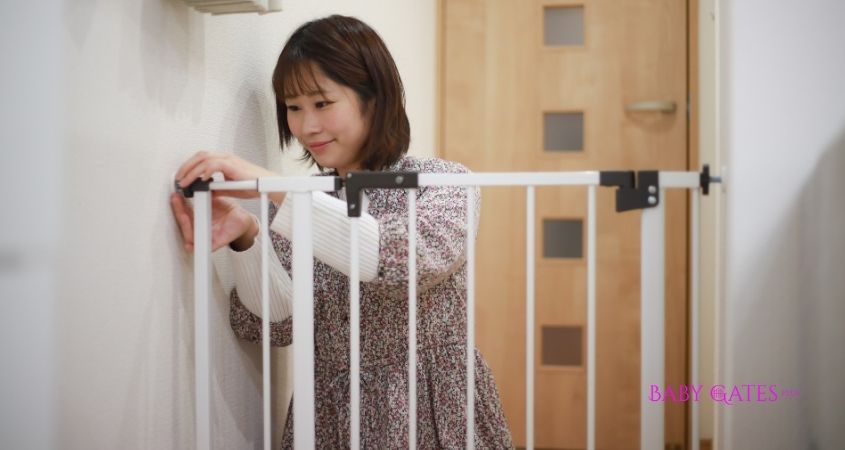
Incorrect setup causes many baby gate problems. A loosely fitted gate may fall over easily. This puts children at risk of injury. Follow the instructions carefully during installation. Use all recommended tools and parts. Secure the gate firmly to walls or door frames.
Material And Build Concerns
Cheap materials can break or splinter. Look for sturdy metals or strong plastics. Weak gates can fail under pressure. Small pieces can come loose and create choking hazards. Inspect the gate regularly for wear and tear.
Gate Design Flaws
Some gates have wide gaps or sharp edges. Wide spaces let children slip through or get stuck. Sharp edges can cause cuts or bruises. Choose gates designed with safety in mind. Rounded edges and tight bars reduce risks.
Credit: wisconsinwatch.org
Signs Your Baby Gate Might Be Unsafe
Baby gates help keep little ones safe at home. Yet, some gates might not protect as well as they should. Knowing signs of unsafe gates helps prevent accidents. Watch for these common problems that could make your baby gate risky.
Loose Or Wobbly Components
Gates that move or shake easily are unsafe. Loose screws or hinges can cause the gate to fall. Check parts regularly and tighten anything that feels unstable. A firm gate stops babies from pushing it down.
Damaged Or Worn Parts
Look closely for cracks, chips, or rust on the gate. Broken parts reduce strength and can hurt your child. Worn-out locks or latches may not close properly. Replace any damaged pieces quickly to keep the gate secure.
Difficulty In Operation
A gate hard to open or close can be dangerous. Parents need to act fast in emergencies. If the latch sticks or jams, fix it or get a new gate. Smooth operation means safety and ease for everyone.
Gaps And Openings
Check for spaces where fingers or heads might get stuck. Openings larger than 3 inches pose serious risks. Babies can slip through or get caught easily. Make sure the gate fits tightly and covers all gaps well.
Choosing a safe baby gate is important for your child’s protection. A good gate stops your baby from entering unsafe areas. It also prevents accidents like falls or getting stuck. Not all baby gates offer the same safety. Knowing what to choose helps keep your baby safe and your mind calm.
Types Of Baby Gates
There are different types of baby gates. Pressure-mounted gates fit between walls without screws. They are easy to move but less sturdy. Hardware-mounted gates attach to walls with screws. These are stronger and better for stairs. Some gates swing open like doors. Others slide or fold. Pick the type that fits your home and needs.
Safety Standards To Look For
Check if the gate meets safety standards. Look for certifications from groups like JPMA or ASTM. These show the gate passed safety tests. The gate should have no sharp edges or small parts. The latch must be secure but easy for adults to open. Avoid gates with gaps that can trap fingers or heads.
Size And Fit Considerations
Measure the space where you want the gate. The gate should fit tightly without gaps. A loose gate can cause falls. The height should be tall enough to stop your baby from climbing over. Most gates range from 29 to 36 inches high. Choose a width that covers your doorway or stair opening fully.
Material Durability
Durable materials last longer and stay safe. Metal gates are strong and hard to break. Wood gates look nice but may wear out faster. Plastic gates are light but less sturdy. Check the finish to make sure it is non-toxic. Avoid gates with paint that can chip. Strong materials reduce risks of breakage and injury.
Credit: doordoctorva.com
Proper Installation Tips
Proper installation is key to keeping your baby gate safe. A well-installed gate prevents accidents and keeps your child secure. Follow these tips to set up your gate correctly. Check each step carefully for the best protection.
Securing Pressure-mounted Gates
Pressure-mounted gates use tension to stay in place. Tighten the gate firmly between walls or doorways. Test the gate by pushing lightly to ensure it does not move. Avoid placing these gates at the top of stairs. They can slip and cause falls.
Wall-mounted Gate Setup
Wall-mounted gates attach with screws or brackets. Use a drill to secure the gate to studs in the wall. Do not rely on drywall alone for support. Make sure the gate swings or slides smoothly. Check that locking mechanisms work without force.
Avoiding Common Installation Mistakes
Do not install the gate loosely or at an angle. This reduces its strength and can cause it to fall. Avoid gaps between the gate and floor or walls. Gaps allow children to squeeze through or get stuck. Read the manufacturer’s instructions fully before starting.
Regular Maintenance Checks
Inspect the gate weekly for loose parts or damage. Tighten screws and bolts as needed. Replace worn parts immediately to maintain safety. Clean the gate regularly to prevent dirt buildup. A clean gate works better and lasts longer.
Maintaining Your Baby Gate’s Safety
Keeping your baby gate safe is very important. Regular care helps prevent accidents. A well-maintained gate protects your child from harm. Simple steps can keep your gate strong and secure.
Check your gate often and clean it gently. Replace worn parts and know when to stop using it. These habits make sure the gate works well every day.
Routine Inspections
Look at your baby gate every week. Check for loose screws or broken parts. Make sure the gate opens and closes smoothly. Tighten any loose bolts immediately. Watch for cracks or sharp edges. These can hurt your child.
Cleaning Without Damage
Use a soft cloth and mild soap to clean your gate. Avoid harsh chemicals that can weaken materials. Do not soak the gate with water. Dry it well to stop rust or mold. Clean the latch area carefully to keep it working right.
Replacing Parts When Needed
Replace any broken or worn parts quickly. Use parts made for your gate model. Old or wrong parts can cause failure. Keep extra screws and safety latches on hand. This keeps your gate strong and safe for your child.
When To Retire The Gate
Stop using the gate if it shows serious damage. Cracks, bent frames, or broken latches are warning signs. Gates that no longer fit well should be replaced. Old gates may not meet current safety rules. Always choose a new gate that meets safety standards.
Using a baby gate is a good start to keep your child safe. But safety does not stop there. Extra steps can help protect your child better. These added measures reduce risks and create a safer home.
Using Multiple Barriers
One baby gate may not block all dangers. Use more than one barrier to cover different areas. Place gates at staircases, kitchen entries, and rooms with fragile items. This stops your child from reaching unsafe spots easily.
Choose gates that fit well and are strong. Make sure each gate is secure and hard to open by small hands. Multiple barriers create layers of safety around your home.
Supervision And Awareness
Gates help, but watching your child is key. Stay close and keep an eye on your baby often. Notice what they do near gates and other barriers. This helps you spot any problems fast.
Teach others in the home about the childproof setup. Everyone should know how to use gates correctly. Awareness keeps the environment safe all the time.
Safe Play Areas
Create special zones where your child can play freely. Use soft mats and toys that do not hurt. Keep these areas away from stairs and sharp corners.
Safe play spaces give your child freedom without danger. They offer peace of mind while your baby explores and learns.
Credit: www.consumerreports.org
Frequently Asked Questions
How Do I Know If My Baby Gate Is Unsafe?
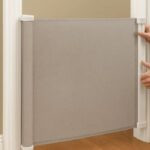
Check for loose parts, sharp edges, or gaps larger than 3 inches. Ensure the gate fits securely without wobbling. Avoid gates with retractable mesh or decorative cutouts that can trap fingers or toes.
What Materials Make A Baby Gate Safer?
Wood and metal gates are generally safer due to durability. Avoid plastic gates that can crack or break easily. Choose gates with smooth finishes and no toxic paint or coatings.
How Can I Install A Baby Gate Safely?
Follow manufacturer instructions carefully. Use hardware-mounted gates for stairs and pressure-mounted gates for doorways. Regularly check the gate’s stability and tighten screws as needed.
What Age Is Appropriate For Using A Baby Gate?
Baby gates are suitable from crawling age until the child can open or climb over them, usually around 24-30 months. Always supervise your child near gates.
Conclusion
Baby gates protect curious little ones from danger. Check for loose parts or sharp edges often. Make sure the gate fits tightly in the doorway. Avoid gates with gaps where fingers can get stuck. Use gates made from strong, durable materials only.
Regularly test the gate’s locking mechanism for safety. Remember, a safe gate helps keep your child secure. Stay alert and fix any issues right away. Your baby deserves a safe space to explore freely.