Bringing a new baby into your home is exciting—but it can also be a big change for your dog. You want your furry friend to feel safe and comfortable while your baby grows.
But how do you introduce your dog to your baby the right way? There are some important things you must know to keep everyone happy and safe. If you want to create a loving bond between your dog and your little one, this guide will show you exactly what to do.
Keep reading to discover simple steps that make this transition easier for both your baby and your dog.
Preparing your dog for the arrival of a baby helps create a calm and safe environment. Dogs notice changes in the home. They need time to adjust to new routines and sounds. Careful preparation reduces stress for both your dog and baby.
Adjusting Routines Ahead Of Time
Start changing your dog’s daily schedule weeks before the baby arrives. Shift feeding, walks, and playtimes to fit the new family routine. This helps your dog get used to less attention and new timing. Consistency is key to avoid confusion and anxiety.
Familiarizing With Baby Sounds And Smells
Introduce your dog to baby noises like crying or cooing. Play recordings at low volume and increase slowly. Let your dog sniff baby lotions, powders, and clothes. These new smells prepare your dog for the baby’s presence. It reduces fear or curiosity when the baby arrives.
Reinforcing Basic Commands
Teach and practice basic commands like sit, stay, and leave it. Strong obedience helps you control your dog around the baby. Reward calm and gentle behavior near baby items. Clear communication ensures safety and good manners during interactions.
Creating A Safe Environment
Creating a safe environment is the first step to help your dog and baby get along. Safety protects both your child and your pet. It also builds trust between them. A calm and secure space makes introductions easier. Prepare your home by planning where your dog can go and where the baby will be. This prevents accidents and stress for everyone involved.
Designating Dog-free Zones
Set specific areas where your dog cannot enter. These zones keep the baby safe from sudden movements or jumping. Common dog-free zones include the nursery and play area. Use clear signs or markers to show these boundaries. This helps your dog understand limits and respect the baby’s space.
Setting Up Baby’s Space
Create a cozy, clean, and quiet area for your baby. Make sure the space is away from noisy or busy parts of the home. Keep toys, blankets, and baby items organized here. Your dog should learn this is the baby’s special spot. This helps reduce curiosity and unwanted attention from your dog.
Using Barriers And Gates
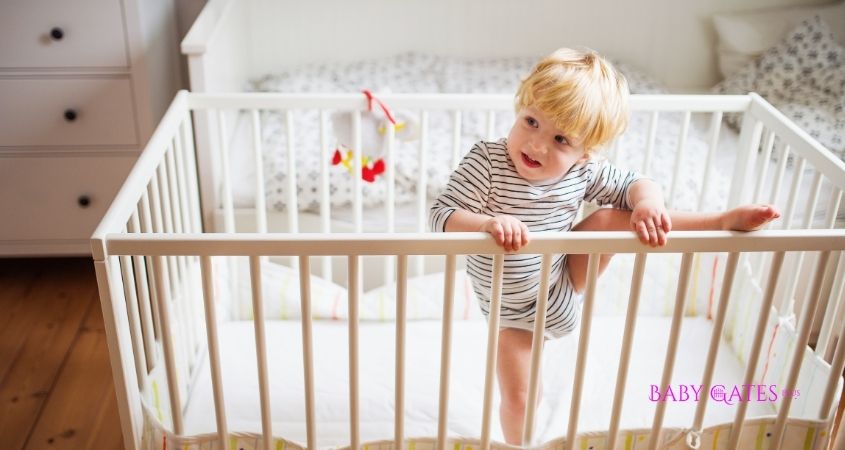
Use baby gates or pet barriers to separate your dog and baby safely. These tools allow them to see each other without direct contact. Barriers help control interactions and prevent accidents. Place gates at doorways or hallways to block off certain rooms. This keeps both your dog and baby safe while they adjust to each other.
Introducing your baby to your dog is an important moment for both. It sets the tone for their future relationship. Careful planning helps keep everyone safe and happy. Dogs sense changes in the home, so prepare them calmly. Babies bring new sounds and smells. Your dog needs to adjust to this new member gently.
First Meeting Tips
Choose a quiet room with few distractions. Keep your dog on a leash but loose enough to move. Let your dog sniff your baby from a distance first. Speak softly to both your dog and baby. Use treats to reward calm behavior. Avoid forcing your dog to come too close.
Monitoring Body Language
Watch your dog’s eyes, ears, and tail. Relaxed ears and wagging tail are good signs. Stiff body, growling, or lip licking show stress. Babies may startle dogs with sudden moves. Stay alert and ready to separate them. Your dog’s comfort is key to safe interactions.
Keeping Interactions Calm
Keep meetings short and positive. Use a calm voice and slow movements. Avoid loud noises or sudden actions. Give your dog breaks away from the baby. Praise your dog for gentle behavior. Calm moments build trust and peace between them.
Credit: www.pumpstation.com
Managing Dog’s Behavior Around Baby
Managing your dog’s behavior around your new baby is essential for safety and harmony. Dogs may feel unsure or stressed by the baby’s arrival. They need clear guidance to understand their new role.
Proper management helps prevent accidents and keeps everyone calm. It also builds a strong bond between your dog and baby. Early training and supervision are key to this process.
Addressing Jealousy And Attention-seeking
Dogs can feel jealous when the baby gets most attention. They might bark, whine, or act out to get noticed. Give your dog special time daily, away from the baby.
Use treats and praise when your dog behaves calmly near the baby. This shows good behavior brings rewards. Avoid scolding your dog for attention-seeking, as it may increase anxiety.
Handling Overexcitement
Dogs often get too excited around babies. Jumping or licking can be dangerous for the infant. Teach your dog to stay calm using commands like “sit” or “stay.”
Practice these commands before introducing the baby. Use a leash if needed to control excitement. Calm dogs create a safer environment for your child.
Ensuring Gentle Play
Playtime with dogs and babies must always be gentle. Dogs may not know their own strength. Supervise all interactions closely to avoid rough play.
Show your dog which toys are okay for gentle play. Stop play if the dog becomes too rough or excited. Gentle play helps build trust and a good relationship.
Maintaining Hygiene And Health
Keeping your dog clean and healthy is very important when you bring a baby home. Babies have weak immune systems and can get sick easily. A clean dog helps protect your baby from germs and allergies. Taking care of your dog’s hygiene also makes your home a safer place for your little one.
Regular Grooming And Cleaning
Brush your dog often to remove loose fur and dirt. Bathe your dog regularly using gentle pet shampoo. Clean your dog’s paws after walks to stop dirt from spreading indoors. Keep your dog’s bedding clean by washing it weekly. Grooming reduces pet hair and helps control germs around your baby.
Preventing Allergies
Some babies may have allergies to pet dander or fur. Vacuum your home frequently to remove pet hair and dust. Use air purifiers to improve air quality and lower allergens. Wash your hands after playing with your dog. Watch for signs of allergies in your baby, like sneezing or rash.
Veterinary Checkups
Take your dog to the vet for regular health checkups. Vaccinate your dog to protect against diseases. Ask the vet about flea and tick prevention. Treat your dog for worms and parasites on schedule. Healthy pets reduce the risk of spreading infections to your baby.
Building a lasting bond between your dog and baby is important for family harmony. It takes patience and care. Both your dog and baby need to feel safe and loved. This bond grows stronger with positive moments and shared experiences. Teaching respect and kindness early helps your dog and baby connect well.
Simple steps can help your dog accept the new baby. These steps create trust and a special friendship. A strong bond makes your home happier. It also keeps both your dog and baby comfortable and confident.
Encouraging Positive Associations
Help your dog link the baby to good things. Give treats and praise when your dog stays calm near the baby. Use gentle petting and soft voices. Avoid forcing contact. Let your dog explore at its own pace. Positive moments build trust and reduce fear.
Involving Dog In Family Activities
Include your dog in daily family routines. Walks, playtime, and quiet moments can involve both baby and dog. This shows your dog it is still part of the family. It also helps your baby get used to the dog’s presence. Shared activities create happy memories and deeper bonds.
Celebrating Milestones Together
Mark special moments for both baby and dog. Celebrate baby’s first steps or first words with your dog nearby. Reward your dog for good behavior during these times. This teaches the dog that the baby’s milestones are positive events. These celebrations strengthen the bond and build trust.
Credit: nexgardforpets.com
Frequently Asked Questions
How To Safely Introduce My Dog To My Newborn Baby?
Start by keeping your dog calm and controlled during the first introduction. Use a leash and allow gentle sniffing. Reward positive behavior with treats and praise. Always supervise interactions closely to ensure safety for both baby and dog.
When Is The Best Time To Introduce Dog To Baby?
Introduce your dog after the baby comes home, once the dog is calm. Early exposure helps your dog adjust to new sounds and smells. Gradually increase interaction under supervision to build a positive bond between them.
How To Prepare My Dog For Baby’s Arrival?
Before the baby arrives, expose your dog to baby sounds and scents. Gradually adjust routines to mimic life with a baby. Train basic obedience and reinforce calm behavior to reduce stress and help your dog adapt smoothly.
What Signs Show My Dog Is Stressed Around Baby?
Look for pacing, whining, growling, or avoiding the baby. Excessive barking or destructive behavior may also indicate stress. Recognize these signs early and separate your dog from the baby to prevent any issues.
Conclusion
Introducing your dog to your baby takes time and patience. Stay calm and gentle during each meeting. Always watch their interactions closely to keep both safe. Praise your dog for calm behavior around the baby. Create a routine that includes attention for your dog too.
This helps reduce jealousy and builds trust. Keep the baby’s safety as your top priority. With care, your dog and baby can become great friends. The right approach makes your home happier and peaceful. Take it slow, and enjoy watching their bond grow.