Your toddler just climbed out of their crib, and now you’re wondering what to do next. It’s a scary moment that can leave you feeling worried and unsure.
But don’t panic—this is a common milestone that many parents face. You’ll discover simple, practical steps to keep your little one safe and help them transition smoothly. Keep reading—you’ll find solutions that work and peace of mind for you and your toddler.
Many toddlers start trying to climb out of their cribs before they are ready for a big bed. This can be dangerous and stressful for parents. Knowing the signs your toddler is ready to climb out helps you prepare and keep them safe. These signs usually show up in behavior and physical skills. Watch closely for these clues to decide the best time to switch to a toddler bed.
Behavioral Indicators
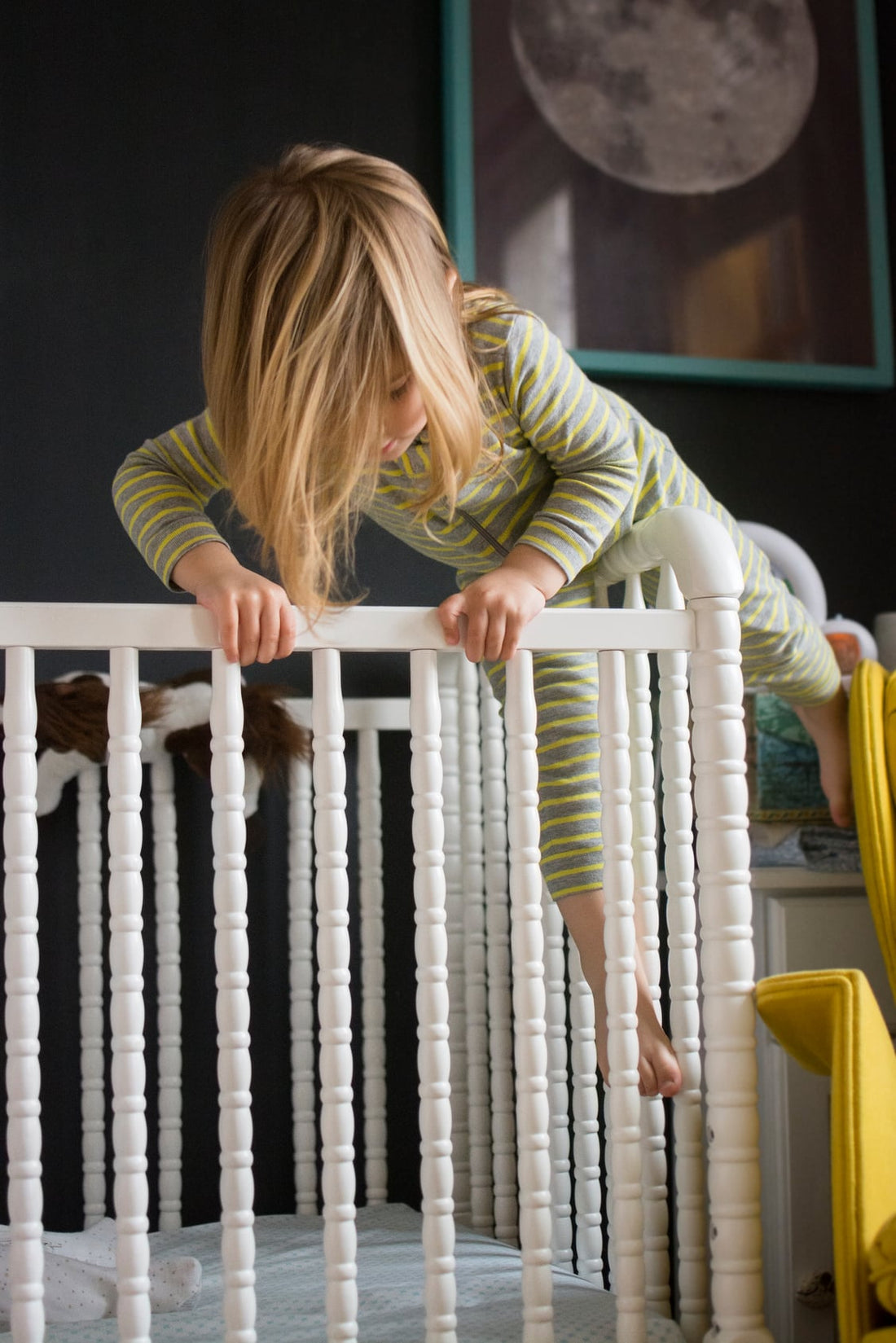
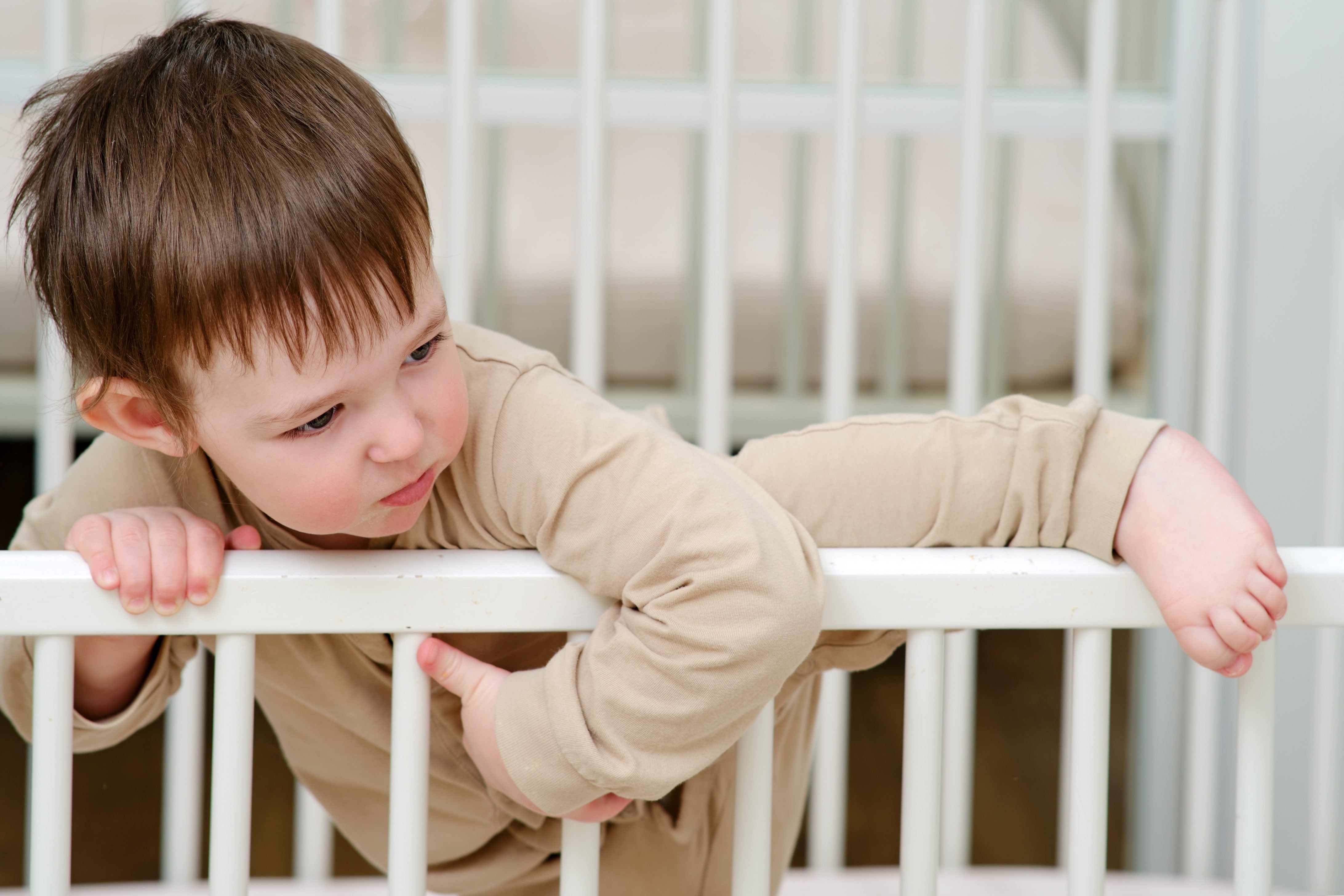
Toddlers who want to climb out often show restlessness at bedtime. They may stand up in the crib and try to reach the rails. Some try to open the crib door or repeatedly get on their hands and knees. They might push or pull on the crib bars. This shows curiosity and a desire to explore beyond the crib. These actions mean your toddler is ready to move on from the crib.
Physical Development Milestones
Physical skills play a big role in climbing out. Many toddlers can pull themselves up to a standing position by 9 to 12 months. By 18 months, they may be able to climb stairs or furniture. Strong leg and arm muscles help them climb out safely. Good balance and coordination also make climbing easier. These milestones often signal that your toddler can climb out of the crib too.
Credit: momsoncall.com
Risks Of Climbing Out Of The Crib
Climbing out of the crib can be a dangerous habit for toddlers. It puts them at risk of injuries and other hazards. Parents must understand these risks to keep their child safe. Awareness helps prevent accidents and creates a safer space.
Common Injuries
Toddlers can fall and hurt themselves while climbing out. Scrapes, bruises, and bumps are common. More serious injuries include broken bones or head trauma. Falls from cribs often happen because toddlers lose balance. These injuries can lead to pain and visits to the doctor.
Potential Hazards In The Bedroom
The bedroom may have hidden dangers for climbing toddlers. Sharp corners on furniture can cause cuts and bruises. Electrical outlets and cords pose risks of shock or strangulation. Small objects on the floor can lead to choking hazards. Heavy items on shelves might fall if pulled down. It is important to secure the room to avoid accidents.
Safety-proofing The Sleep Area
Safety-proofing the sleep area is crucial when your toddler starts climbing out of the crib. It lowers the risk of injuries and keeps your child safe. Creating a secure environment lets your toddler explore while you feel calm and sure.
Focus on removing dangerous items and securing the room. This prevents accidents and gives peace of mind during sleep and play.
Removing Sharp And Hard Objects
Remove all sharp items from the sleep area. This includes toys, decorations, and small furniture with edges. Hard objects can hurt a toddler during a fall. Keep the floor clear of anything that can cause cuts or bruises. Soft blankets and pillows help create a safer space.
Securing Furniture And Windows
Anchor furniture to the wall to stop tipping. Dressers, shelves, and nightstands must not move easily. Cover window locks and use safety guards to prevent falls. Avoid placing furniture near windows that a toddler can climb. Secure cords from blinds out of reach to avoid strangulation hazards. These steps make the room safer and reduce risks.
Active toddlers often find ways to climb out of their cribs. This can cause safety concerns for parents. Choosing the right sleeping option helps keep toddlers safe and comfortable. Some good crib alternatives fit active toddlers well.
These options offer freedom to move and reduce the risk of falls. They also help toddlers adjust to new sleep routines. Below are two popular alternatives to cribs for active toddlers.
Toddler Beds
Toddler beds are smaller than regular beds and closer to the ground. They use crib mattresses, so toddlers feel familiar and cozy. Guard rails on the sides stop toddlers from rolling out during sleep.
These beds give toddlers more space to move. They support independence by letting kids climb in and out on their own. Toddler beds also help toddlers transition smoothly from cribs.
Floor Beds
Floor beds sit directly on the floor without frames or rails. They provide toddlers complete freedom to get in and out safely. This option suits very active toddlers who climb a lot.
Floor beds create a safe and open space for toddlers to explore. Parents can add soft rugs or cushions around to soften the area. This bed style encourages self-confidence and healthy sleep habits.
Adjusting Bedtime Routines
Adjusting bedtime routines helps toddlers feel safe and relaxed at night. Toddlers climbing out of their cribs often need new routines. These routines guide them gently toward sleep. Small changes can make a big difference in calming your child and keeping them in bed.
Clear and calm routines signal bedtime. This helps your toddler know what to expect. A peaceful routine supports better sleep and less restlessness.
Consistent Sleep Schedule
Set the same bedtime and wake-up time every day. Consistency helps your toddler’s body clock. It makes falling asleep easier and waking up smoother. Avoid late nights or naps that are too long. A steady schedule reduces the urge to climb out of bed.
Calming Pre-sleep Activities
Choose quiet activities before bed. Reading a story or gentle music works well. Avoid screens or active play before sleep. These can make toddlers more awake. Calming activities prepare their minds and bodies to rest. A relaxed child is less likely to leave the crib.
Using Safety Gates And Monitors
Keeping toddlers safe after they start climbing out of their cribs is a big concern for many parents. Safety gates and baby monitors are practical tools that help manage this challenge. These devices create boundaries and give you peace of mind.
Safety gates block your toddler from dangerous areas. Baby monitors let you watch and listen when you are not in the same room. Together, they help protect your child and reduce worry.
Choosing The Right Safety Gate
Pick a gate that fits your doorway or stairwell securely. Look for one made of strong material like metal or wood. Avoid gates with large gaps that a child can squeeze through. Check that the gate has a child-proof locking system. Height matters too. It should be tall enough to stop climbing.
Easy installation and removal are important. Some gates mount with pressure, others screw into the wall. Consider your home layout before buying. A gate with a walk-through door is helpful for parents.
Benefits Of Baby Monitors
Baby monitors let you hear or see your toddler from another room. This means you can act fast if your child tries to climb out. Video monitors give a clear view of your child’s activity. Audio-only monitors alert you to sounds like crying or moving.
Some monitors have night vision to watch in the dark. Others connect to your phone for remote viewing. This helps you keep an eye on your toddler anytime. Monitors reduce the need to check constantly. They give parents more freedom while keeping kids safe.
When To Transition Out Of The Crib
Deciding when to move your toddler out of their crib can feel tricky. Toddlers often climb out of the crib before they are fully ready for a bed. It is important to watch for signs that show your child is ready for this change. Transitioning too early or too late can cause stress for both you and your toddler. Careful timing helps make this step safe and comfortable.
Signs Your Child Is Ready
Your toddler may try to climb out of the crib more than once. This can be a clear sign they want more freedom. Look for other signs too. If your child asks to sleep in a “big kid” bed, it shows interest. Also, if your toddler’s crib is too small or uncomfortable, it might be time to change. Nighttime waking or falling out of the crib often means the crib is no longer safe. Watch how your child moves and reacts. Their comfort and safety come first.
Tips For A Smooth Transition
Start by talking about the new bed positively. Let your toddler explore the bed during the day. Keep the bedtime routine the same to avoid confusion. Use guardrails on the bed to prevent falls. Make sure the room is safe and free of hazards. Allow your child to take a favorite toy or blanket to bed. Be patient if your toddler resists the change. Praise your child for sleeping in the new bed. Small rewards can help build positive habits. Stay calm and consistent throughout the process.
How Can I Stop My Toddler From Climbing Out Of Crib?
Remove tempting items, lower the mattress, and use a sleep sack. Consider transitioning to a toddler bed if climbing continues. Consistency and supervision are key to preventing escapes.
When Is The Right Time To Switch From Crib To Bed?
Switch when your toddler frequently climbs out or is over 35 inches tall. Most toddlers transition between 18 months and 3 years. Safety and readiness should guide your decision.
What Safety Measures Should I Take After Toddler Escapes Crib?
Install safety gates, pad sharp corners, and remove hazards. Make the room toddler-proof to prevent injuries. Supervise your child closely during the transition phase.
Can A Toddler Get Hurt Climbing Out Of Crib?
Yes, toddlers risk falls and injuries climbing out. Monitor them closely and create a safe environment. Taking preventive steps reduces accident chances.
Conclusion
Toddler climbing out of the crib can feel scary and stressful. Stay calm and watch your child closely. Make the room safe by removing sharp or dangerous objects. Try lowering the crib mattress or switch to a toddler bed. Keep a consistent bedtime routine to help your child sleep well.
Remember, patience and safety come first during this stage. Every child grows at their own pace. You can handle this challenge step by step. Safety and comfort help your toddler feel secure at night.