Are you wondering when the right time is to start using baby gates at home? If you have a little one who’s just beginning to crawl or walk, safety is probably on your mind every second.
Baby gates can be a simple and effective way to keep your child safe from stairs, kitchens, or other tricky spots. But using them too early or too late can cause more hassle than help. You’ll discover exactly when and how to introduce baby gates to protect your curious explorer while keeping your home stress-free.
Knowing when to use baby gates at home is important for your child’s safety. Babies grow fast, and their skills change quickly. This means their needs for safety also change. Recognizing the signs that your baby is ready for gates helps protect them from dangers.
Babies start moving and exploring more as they grow. They begin to pull up and stand, which raises the risk of falls. Their curiosity also increases, making them want to reach new places. These behaviors show that gates can help keep your baby safe.
Crawling And Exploring
Crawling is one of the first big steps in a baby’s movement. When a baby starts crawling, they can reach many places in the house. This includes stairs, kitchens, or rooms with sharp objects. Baby gates stop them from going where they should not be. It gives parents peace of mind.
Pulling Up To Stand
Pulling up to stand shows a baby is gaining balance and strength. This stage is risky because falls can happen easily. Gates at stairways or doorways create a safe boundary. They prevent accidents before babies learn to walk well.
Increased Curiosity
Babies get curious about everything around them. They want to touch, grab, and explore new things. This can lead them to unsafe areas quickly. Using baby gates helps control where babies can go. It keeps them away from hazards like hot stoves or heavy furniture.
Types Of Baby Gates
Baby gates help keep your child safe by blocking off unsafe areas. Choosing the right type depends on your home layout and needs. Each type has its own benefits and fits different spaces. Understanding these types helps you pick the best one for your family.
Pressure-mounted Gates
Pressure-mounted gates stay in place by pressing against walls. They do not require screws or drilling. These gates are easy to install and move. They work well for doorways and hallways. Avoid using them at the top of stairs. They are not as secure as hardware-mounted gates.
Hardware-mounted Gates
Hardware-mounted gates attach to walls with screws. They offer a stronger hold and more safety. These gates are best for stairways and high-risk areas. Installation takes more time and tools. Once installed, they do not move or fall. This type is ideal for long-term use.
Retractable Gates
Retractable gates roll up like a window blind. They save space when not in use. These gates are good for wide openings. They install with pressure or hardware mounts. Retractable gates provide flexibility and convenience. Check that the material is sturdy and safe for children.
Ideal Placement For Gates
Choosing the right places for baby gates is very important. Gates protect your child from dangers and keep them safe. Knowing where to put these gates helps prevent accidents. It also gives your child a safe space to explore.
Stairways And Steps
Stairs are a common danger for toddlers. Placing gates at the top and bottom stops falls. Make sure gates fit tightly and cannot be pushed open easily. This prevents your child from climbing or falling down the steps.
Kitchens And Bathrooms
Kitchens and bathrooms have many hazards like hot surfaces and sharp objects. Gates here keep children out of reach of these dangers. Use gates to block access to these rooms when you cannot watch your child closely.
Living Areas And Doorways
Living rooms often have furniture and cords that can hurt children. Gates at doorways help keep kids in safe areas. They also stop children from wandering into unsafe rooms or outside areas.
Safety Tips For Using Baby Gates
Using baby gates can protect your child from unsafe areas in your home. Safety is the main goal when installing these gates. Following simple tips can keep your little one safe and secure.
Proper use helps prevent accidents and injuries. Learn how to install and maintain gates correctly.
Proper Installation
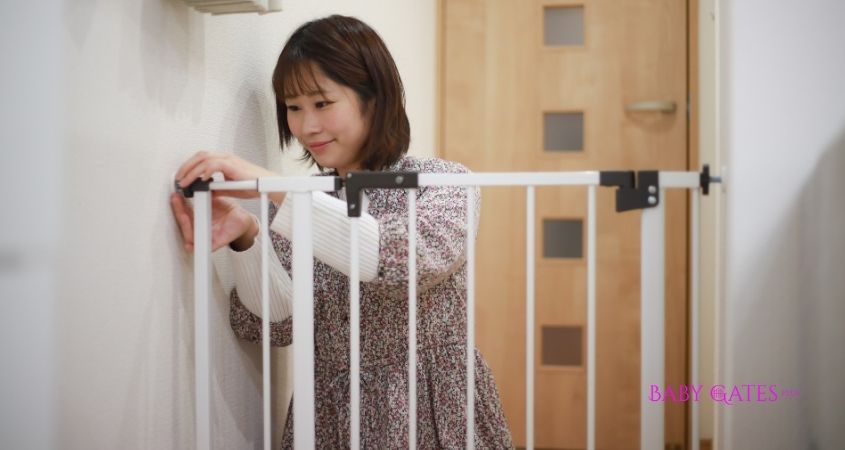
Place the baby gate where it fits tightly. Use the mounting hardware that comes with the gate. Avoid pressure-mounted gates at the top of stairs. Always follow the manufacturer’s instructions step-by-step. A loose gate can cause falls and injuries.
Regular Maintenance
Check the gate often for damage or wear. Tighten screws and bolts regularly. Make sure the gate opens and closes smoothly. Replace any broken parts right away. A faulty gate cannot protect your child properly.
Age And Weight Limits
Check the gate’s age and weight limits before use. Gates are made for certain child sizes. Using a gate beyond its limits can cause it to fail. Always upgrade the gate as your child grows.
Signs To Remove Or Replace Gates
Baby gates help keep little ones safe by blocking unsafe areas. Over time, you might need to remove or replace these gates. Watching for clear signs helps keep your home safe and your child secure.
Baby Outgrows The Gate
Babies grow fast. When your child can climb or open the gate, it no longer works. A gate that once kept them safe becomes a risk. Time to remove or replace it with a stronger option.
Damage Or Wear
Check gates often for cracks, loose parts, or broken locks. Damaged gates can fail and cause accidents. Wear and tear from everyday use means it’s time to fix or replace the gate.
Changes In Home Layout
Moving furniture or remodeling can affect gate placement. A gate that fit perfectly before might not work now. Adjusting your safety measures to fit your new space keeps your child protected.
Frequently Asked Questions
When Is The Best Age To Start Using Baby Gates?
Most parents start using baby gates when babies begin crawling, usually around 6 to 10 months. This timing helps prevent falls and keeps babies away from hazardous areas.
Where Should Baby Gates Be Installed At Home?
Install baby gates at staircases, kitchen entrances, and rooms with potential dangers. Focus on areas where supervision is limited to ensure safety.
Are Pressure-mounted Or Hardware-mounted Gates Safer?
Hardware-mounted gates are more secure for stairs, while pressure-mounted gates suit doorways. Choose based on installation location and safety needs.
How Long Should Baby Gates Be Used?
Use baby gates until your child is at least 2 years old or can safely navigate areas without supervision. Adjust usage as your child grows.
Conclusion
Baby gates help keep your child safe at home. Start using them when your baby begins to crawl. This prevents access to dangerous areas like stairs or kitchens. Choose sturdy gates that fit your space well. Always check the gate’s locks and fittings regularly.
Safety is key, but gates also give you peace of mind. Remember, every child grows at their own pace. Watch your baby’s movements and act before accidents happen. Baby gates are a simple way to protect curious little explorers. Keep your home safe, one gate at a time.