Your baby is about to start crawling, and your home needs to be ready. Crawling opens up a whole new world for your little one—but it also means new dangers.
You want to keep your baby safe while they explore every corner. That’s why baby proofing your home now is so important. You’ll discover simple, effective steps to protect your baby before they take their first crawl. Keep reading to learn how to create a safe space where your baby can grow and explore with confidence.
Preparing For Crawling Season
Preparing for crawling season means getting your home safe and ready. Babies explore by moving on hands and knees. This stage brings new risks and challenges for parents. Taking steps now helps keep your baby safe and confident.
Start by checking every room your baby might crawl into. Look for sharp edges, small objects, and loose wires. Think about places your baby can reach and what dangers might be there.
When Do Babies Start Crawling?
Babies usually start crawling between 6 and 10 months old. Some begin earlier, some later. Crawling is a big step in their growth. It helps them build muscles and learn balance. Watching for signs of readiness helps you prepare on time.
Common Hazards For Crawling Babies
Sharp corners on furniture can hurt a crawling baby. Loose cords from blinds or electronics pose strangulation risks. Small objects on the floor can cause choking. Open electrical outlets invite curious fingers. Chemicals and cleaning supplies must be out of reach.
Pets and stairs also need attention. Use gates for stairs and keep pets supervised. A safe space lets your baby explore without danger.
Securing Living Spaces
Securing living spaces is important before your baby starts crawling. Babies explore everything with their hands and mouths. Unsafe areas can cause injuries or accidents. Preparing your home helps keep your baby safe and gives you peace of mind.
Focus on areas where your baby will spend most time. Rooms like the living room, playroom, and hallways need special attention. Small changes can make a big difference in safety.
Installing Safety Gates
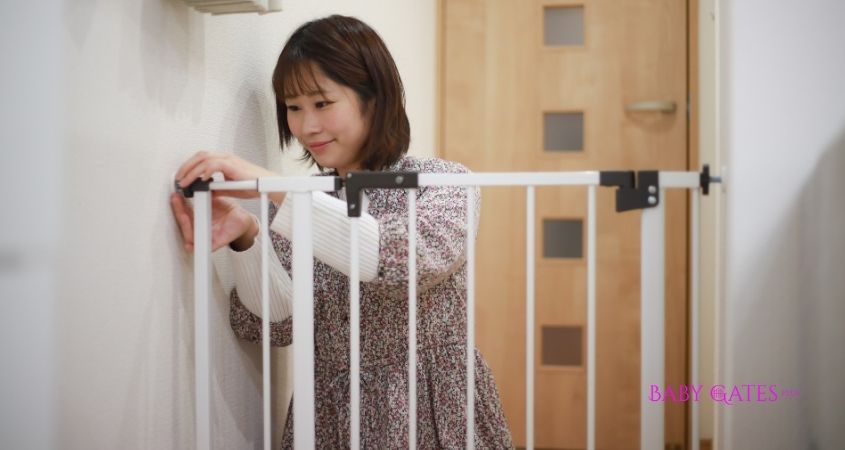
Safety gates stop babies from entering dangerous rooms. Use gates at the top and bottom of stairs. Choose gates that are easy for adults to open but hard for babies. Secure the gates tightly to avoid gaps. This helps prevent falls and keeps your baby in safe areas.
Covering Electrical Outlets
Babies are curious about outlets and may try to touch them. Cover outlets with plastic safety plugs or sliding covers. These covers block access but still allow you to use the outlets. Check all outlets in living spaces and hallways. This simple step prevents electric shocks and keeps your baby safe.
Securing Furniture And Tvs
Furniture can tip over if your baby pulls on it. Anchor heavy items like bookshelves and dressers to the wall. Use brackets or straps made for child safety. Place TVs on low, stable stands or mount them to the wall. Keep cords out of reach to avoid pulling. These actions reduce the risk of tipping accidents.
Protecting Floors And Stairs
Protecting floors and stairs is key to creating a safe space for your crawling baby. Soft surfaces reduce injury risk from falls. Stairs can be especially dangerous. Taking simple steps helps keep your baby secure while exploring.
Using Non-slip Mats And Rugs
Place non-slip mats or rugs on hard floors. They stop slips and soften falls. Choose mats with good grip underneath. Avoid rugs that easily move or curl at edges. Make sure mats cover play areas where your baby crawls the most.
Babyproofing Stairs And Railings
Install safety gates at the top and bottom of stairs. Use gates that firmly latch and are tall enough to block climbing. Check railings for gaps wide enough for a baby’s head or body. Add guards or netting to close these gaps. This prevents falls and keeps your baby safe near stairs.
Keeping Dangerous Items Out Of Reach
Keeping dangerous items out of reach is a vital step in baby proofing your home. Babies explore by crawling and grabbing. They cannot understand what is safe or harmful. You must create a safe space where they can move freely without risks.
Focus on areas where babies can easily reach. Kitchens, living rooms, and bathrooms often contain many hazards. Locking cabinets and drawers stops babies from accessing harmful substances or sharp objects. Storing small objects safely prevents choking accidents. Managing cords and blind strings avoids strangulation risks.
Locking Cabinets And Drawers
Cabinets and drawers often hold cleaning supplies, knives, or medicines. Use childproof locks to block access. Choose locks that are easy for adults but hard for babies. Magnetic or adhesive locks work well. Check locks regularly to ensure they function properly.
Storing Small Objects Safely
Small items like coins, buttons, or jewelry pose choking dangers. Keep these items in high places or locked containers. Avoid leaving them on tables or floors. Regularly scan the floor and low surfaces for dropped objects. Teach family members to do the same.
Managing Cords And Blind Strings
Cords from electronics or blinds can cause strangulation. Tie cords up high and out of reach. Use cord shorteners or clips to keep them neat. Consider cordless blinds for added safety. Always check areas where your baby plays for loose cords.
Creating A Safe Play Area
Creating a safe play area helps keep your baby secure and happy. It limits risks and gives your baby space to explore. A well-prepared play area also allows you to watch your child easily.
Think about space, comfort, and safety when setting up this area. Use tools and items that protect your baby from sharp edges and hard floors. Let’s explore how to create a safe, fun spot for your baby.
Choosing The Right Playpen
Select a playpen with sturdy sides and a secure locking gate. The material should be free of toxic chemicals. Look for smooth edges and no small parts that can break off. The size matters. Pick one big enough for your baby to move but small enough to stay safe.
Choose a playpen with mesh sides for good airflow and visibility. This helps your baby breathe well and allows you to see inside easily. Avoid playpens with sharp corners or unstable bases. Always check product safety labels before buying.
Soft Padding And Toys
Use soft mats or foam padding to cover the floor inside the play area. This protects your baby from bumps and falls. Avoid thick rugs that can cause tripping or slipping. Clean the padding regularly to keep germs away.
Select toys that are soft, large enough to avoid choking, and easy to clean. Avoid toys with small parts or sharp edges. Choose bright, colorful toys to stimulate your baby’s senses. Rotate toys to keep your baby interested and engaged.
Kitchen And Bathroom Safety
The kitchen and bathroom are some of the most dangerous places for a crawling baby. Sharp objects, hot surfaces, and harmful chemicals can cause serious injuries. Taking steps to baby proof these areas is essential. Simple safety measures can protect your child and give you peace of mind.
Using Stove And Oven Guards
Stove and oven guards create a barrier between your baby and hot surfaces. These guards prevent little hands from touching burners or oven doors. They also block access to knobs that control heat. Choose guards that fit securely and are heat resistant. Make sure they cover all areas your baby can reach.
Securing Bathroom Cabinets
Bathroom cabinets often hold cleaning products and medicines. These items can be harmful if swallowed or touched. Use child-proof locks on all lower cabinets. Locks should be strong and hard for babies to open. Store dangerous items out of reach or in locked cabinets. Keep the bathroom tidy to reduce risks.
Preventing Access To Toilets And Pools
Toilets pose a drowning risk for babies. Use toilet seat locks to keep lids closed tight. For homes with pools, install safety fences with self-closing gates. Pool covers add another layer of protection. Always supervise your baby near water. These steps reduce the chance of accidents significantly.
Monitoring And Supervision Tips
Keeping a close watch on your baby is key before they start crawling. Babies explore fast, so careful monitoring helps keep them safe. Creating good supervision habits protects your child and eases your mind.
Setting Up Baby Monitors
Choose a reliable baby monitor with clear sound and video. Place it where you can see your baby easily. Check the battery and signal often. Use monitors with night vision for low light rooms. Position cameras to cover play and sleep areas. This lets you keep eyes on your baby from another room.
Establishing Safe Routines
Make a schedule for checking on your baby often. Set specific times to look in or listen through the monitor. Always stay alert during playtime and naps. Teach family members to follow the same routine. Consistency helps catch dangers early and keeps your baby safe.
Frequently Asked Questions
How Early Should I Start Baby Proofing My Home?
Start baby proofing as soon as your baby shows movement signs. Ideally, begin before they start crawling. This ensures safety from the first crawl. Early preparation reduces accidents and gives peace of mind to parents and caregivers.
What Are Essential Baby Proofing Items For Crawling Babies?
Key items include outlet covers, safety gates, cabinet locks, and corner guards. These prevent electrical shocks, falls, and access to dangerous objects. Baby proofing kits often contain these essentials for comprehensive home safety.
How Do I Secure Furniture To Prevent Baby Accidents?
Anchor heavy furniture to walls using brackets or straps. This prevents tipping if your baby climbs or pulls on items. Secure furniture reduces injury risks and creates a safer environment for your crawling baby.
Can Baby Proofing Prevent All Home Accidents?
While baby proofing greatly reduces risks, it cannot prevent all accidents. Supervision remains crucial at all times. Combining proofing with attentive care ensures the highest safety level for your baby.
Conclusion
Baby proofing your home keeps your little one safe and happy. Start early to avoid accidents later. Cover sharp corners and secure cabinets. Block stairs and outlets to prevent injuries. Check toys and remove small objects. Stay watchful and update safety measures often.
A safe home means peace of mind for parents. Your baby will explore freely and safely in a protected space. Taking these simple steps now makes a big difference soon. Safety first, always.