Buying shoes for your baby can be tricky. You want to make sure they fit just right—too small, and your little one will be uncomfortable; too big, and they might trip and fall.
But how do you know your baby’s shoe size without guesswork? If you’ve ever felt unsure or overwhelmed, you’re not alone. You’ll discover simple, foolproof ways to measure your baby’s feet at home. By the end, you’ll have the confidence to pick shoes that fit perfectly, keeping your baby happy and safe every step of the way.
Keep reading to learn the easy steps you can take right now!
Choosing the right baby shoe size keeps little feet comfy and safe. Shoes that fit well help babies walk and grow properly. Measuring feet carefully avoids pain and shoe damage.
Comfort And Foot Health
Babies need shoes that fit well to stay comfortable. Shoes that are too tight can hurt their feet. Shoes that are too loose can cause blisters and make walking hard. Proper fit helps keep baby’s feet healthy and happy.
Support For Growing Feet
Baby feet grow fast and need good support. Shoes that fit correctly protect tiny bones and muscles. They help babies learn to walk with balance and strength. Proper shoes support natural foot growth without harm.
Preventing Foot Problems
Wrong shoe sizes can cause serious foot problems. Too small shoes can deform the foot shape. Too big shoes can lead to tripping and injuries. Accurate sizing helps avoid future pain and foot issues.
Better Walking And Movement
Right shoe size makes walking easier for babies. It allows natural foot movement and balance. Babies explore the world faster and safer with well-fitted shoes. Good fit encourages confidence in each step.
Signs Your Baby Needs New Shoes
Babies grow fast, and their feet grow just as quickly. Shoes that fit well keep little feet safe and comfortable. Knowing the signs that your baby needs new shoes helps avoid discomfort and foot problems.
Check your baby’s shoes often. Watch for these signs to know it is time to get a new pair.
Visible Wear And Tear
Shoes that are worn out do not protect feet properly. Look for holes, torn soles, or frayed edges. These show the shoes are too old or damaged.
Tightness Or Red Marks
If your baby’s feet look red or have marks after wearing shoes, they might be too tight. Tight shoes can hurt and stop feet from growing well.
Difficulty Walking Or Crawling
Babies may struggle to move if shoes do not fit. Watch for limping, slipping, or unusual walking. These signs mean shoes are not right anymore.
Outgrown Shoes
Check if toes touch the shoe’s end or feel cramped. Growing feet need extra space. Shoes that are too small limit foot movement.
Tools To Measure Baby’s Feet At Home
Measuring your baby’s feet at home is simple with the right tools. These tools help ensure the shoes fit well and keep your baby comfortable. Accurate measurement prevents buying shoes that are too tight or too loose. Here are some easy options to measure your baby’s feet without leaving your home.
Using A Ruler Or Measuring Tape
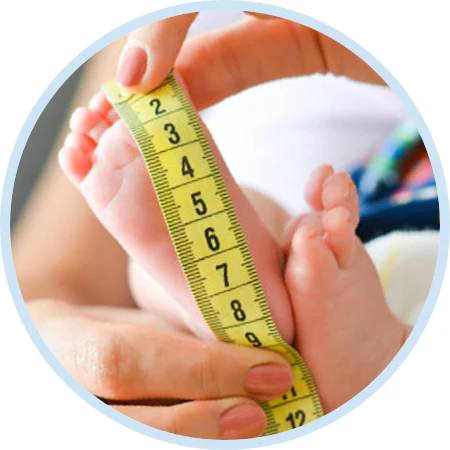
A ruler or measuring tape is a basic and effective tool. Place your baby’s foot flat on a piece of paper. Mark the heel and the longest toe points. Use the ruler or tape to measure the distance between these marks in inches or centimeters. This gives you the foot length, which helps find the correct shoe size.
Printable Foot Measuring Guides
Printable foot measuring guides are available online for free. Print the guide and place your baby’s foot on it. Follow the instructions to find the right size. These guides often include size charts for different brands. They are handy and easy to use at home.
Digital Measuring Devices
Digital measuring devices offer quick and precise measurements. Some devices scan your baby’s foot and show the size immediately. They are user-friendly and reduce errors. Digital devices are a good choice for parents who want accurate results fast.
Measuring your baby’s feet helps find the right shoe size. Properly fitting shoes keep your baby’s feet safe and comfortable. Follow this step-by-step guide to measure your baby’s feet accurately at home.
Preparing Your Baby’s Feet
Start with clean, dry feet. Remove socks and shoes. Let your baby stand or sit with feet flat on the floor. Keep your baby calm and still. This ensures accurate measurement.
Measuring Length And Width
Place a piece of paper on the floor. Put your baby’s foot on the paper. Use a pencil to mark the heel and longest toe. For width, mark the widest points on each side. Measure length and width with a ruler.
Recording Accurate Measurements
Write down the foot length and width in inches or centimeters. Measure both feet because sizes can differ. Use the larger measurement to choose shoes. Double-check your marks for accuracy.
Converting Measurements To Shoe Size
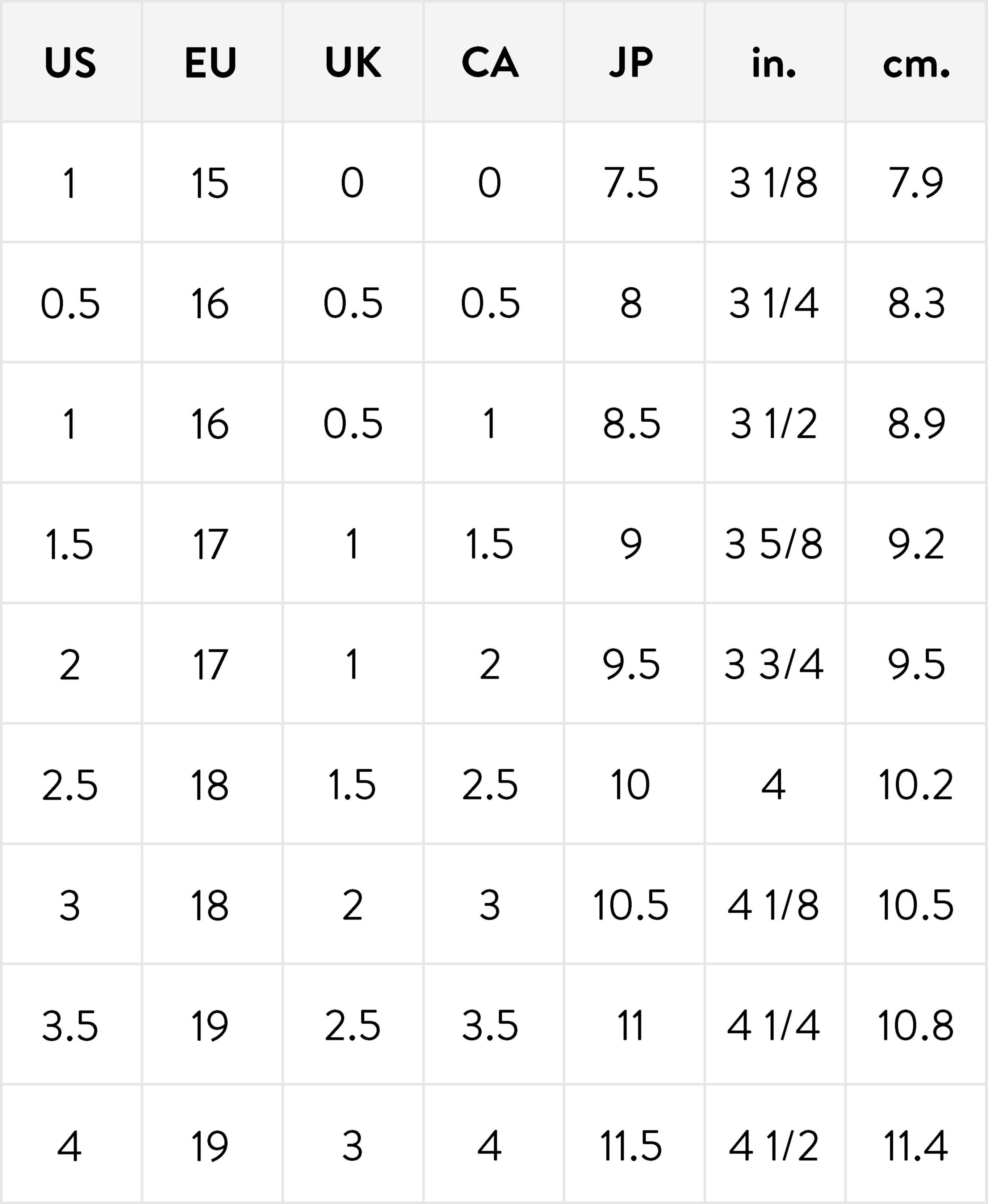
Converting your baby’s foot measurements into the right shoe size is important. It helps ensure comfort and proper foot growth. The process involves comparing foot length and width to size charts. Knowing how to read these charts and understanding sizing systems makes shoe shopping easier.
Using Size Charts
Size charts show foot length in inches or centimeters. Match your baby’s foot measurement to the chart. This step helps find the closest shoe size. Some charts also include width options. Choose the size that fits length and width best. Remember, sizes may vary slightly between brands. Always check the brand’s specific size chart before buying.
Understanding Different Sizing Systems
Shoe sizes differ by region. The US, UK, and Europe use different numbers. For example, a US size 4 may be a UK size 3.5 or EU size 19. Knowing these differences avoids confusion when buying shoes online. Some stores list all sizes, making it easier to compare. Be sure to convert your measurement to the correct system. This step helps pick the right fit every time.
Choosing The Right Shoe Style For Babies
Choosing the right shoe style for babies is important for their foot health and comfort. Babies’ feet grow quickly and need shoes that support natural movement. Picking shoes that fit well and match their activity level helps them explore safely. Parents should focus on styles that protect without restricting tiny toes.
Soft Vs. Structured Shoes
Soft shoes are flexible and allow feet to move naturally. They are good for pre-walking babies or those who crawl. Structured shoes offer more support and protection. These work best for babies starting to walk. Choose based on your baby’s stage and foot strength.
Materials And Breathability
Look for shoes made with breathable materials like cotton or leather. Breathable shoes keep feet cool and dry. Avoid plastic or synthetic materials that trap moisture. Good airflow helps prevent irritation and rashes on delicate skin.
Ease Of Putting Shoes On And Off
Shoes with Velcro or elastic bands save time and effort. They make dressing quicker and less stressful. Avoid shoes with complicated laces or buckles. Easy-to-use shoes encourage independence as babies grow.
Tips For Trying Shoes On Your Baby
Trying shoes on a baby needs care and patience. Babies cannot tell if shoes fit well. Parents must learn to check fit and comfort themselves. This helps avoid foot problems and keeps babies happy. Here are useful tips for trying shoes on your baby.
Checking For Proper Fit
Make sure there is enough space in the shoe. About half an inch from the longest toe to the shoe tip is ideal. Squeeze the shoe gently to feel if it is too tight. Check the width; shoes should not press on the sides of the feet. Let your baby wear socks while trying shoes. Observe your baby’s movements for any signs of discomfort.
Ensuring Comfort And Flexibility
Choose shoes made from soft materials that bend easily. Shoes must allow toes to move freely inside. Avoid stiff soles that restrict natural foot movement. Check for smooth inner surfaces to prevent rubbing and blisters. Make sure the shoes hold the heel firmly without slipping. Comfort matters more than style at this early stage.
How Often To Measure And Replace Shoes
Babies grow fast. Their feet grow fast too. Shoes that fit well keep babies comfortable and safe. Measuring and replacing shoes often is very important.
Parents should check baby shoe size every month. This helps avoid shoes that are too tight. Tight shoes can hurt baby’s feet and slow growth.
Some babies may need new shoes sooner. Active babies who crawl or walk early might wear out shoes quickly. Watch for signs like tightness or worn soles.
Signs To Measure Baby’s Feet Again
Look for these signs to measure feet again:
Toes pushing against shoe front
Red marks or blisters
Shoes feel tight or uncomfortable
Shoes look small compared to other shoes
How Often To Replace Baby Shoes
Replace shoes every 2 to 3 months on average. Check more often for babies under 1 year. Shoes wear out faster with crawling and walking.
Tips For Measuring Baby’s Feet At Home
Place baby’s foot on paper. Mark heel and longest toe. Measure length with a ruler. Compare with shoe size chart. Measure both feet for accuracy.
Buying shoes for a baby can be tricky. Many parents make mistakes that affect comfort and foot health. Knowing common errors helps avoid these problems. This section highlights frequent mistakes to skip.
Not Measuring Feet Properly
Many skip measuring and guess the size. Baby feet grow fast and need regular measuring. Use a ruler or a shoe sizer for accuracy. Measure both feet because sizes may differ.
Choosing Shoes That Are Too Tight
Tight shoes can cause pain and affect foot growth. Always leave space for toes to move. A good rule: one finger’s width between toes and shoe tip.
Buying Shoes Too Early
Some buy shoes before babies start walking. Soft socks or booties are better for crawling stages. Shoes are more useful when babies start standing and walking.
Ignoring Shoe Material
Hard or non-breathable materials can hurt baby’s feet. Choose soft, flexible, and breathable shoes. Natural materials like leather allow feet to breathe well.
Not Checking Shoe Width
Many focus only on length and forget width. Narrow shoes squeeze feet and wide shoes cause slipping. Check both length and width for a good fit.
Credit: www.nordstromrack.com
Credit: www.striderite.com
Frequently Asked Questions
How Do I Measure My Baby’s Foot Accurately?
Use a ruler or measuring tape to measure your baby’s foot length. Measure from the heel to the longest toe. Always measure both feet and use the larger size for shoe fitting. Measure while your baby is standing for best accuracy.
When Should I Check My Baby’s Shoe Size?
Check your baby’s shoe size every 2 to 3 months. Babies’ feet grow quickly, especially in the first year. Regular measurements ensure shoes fit comfortably and support healthy foot development.
What Is The Best Way To Choose Baby Shoes?
Choose shoes with flexible soles and breathable materials. Ensure there is about a half-inch of space beyond the longest toe. Avoid tight or stiff shoes that can restrict growth and movement.
How Do I Convert Baby Foot Length To Shoe Size?
Use a baby shoe size chart to convert foot length to size. Measure the foot length in inches or centimeters. Match the measurement with the chart to find the correct shoe size.
Conclusion
Knowing your baby’s shoe size helps keep their feet healthy and comfortable. Measure feet often since babies grow quickly. Choose shoes that fit well, not too tight or loose. Remember, good shoes support proper walking and development. Keep checking size to avoid discomfort or injury.
Taking these steps makes shoe shopping easier for your little one. Simple care leads to happy, healthy feet every step of the way.