You know how soothing a pacifier can be for your baby, but keeping it in their mouth can sometimes feel impossible. If you’ve ever struggled with your little one spitting it out repeatedly, you’re not alone.
Imagine those quiet moments stretching longer, with your baby calm and comforted. You’ll discover simple, effective tips to help keep the pacifier in your baby’s mouth, making those peaceful times easier for both of you. Keep reading—you’re just a few steps away from less fuss and more comfort.
Pacifiers can fall out of a baby’s mouth for several reasons. Understanding these reasons helps parents keep the pacifier in place longer. The fit and design of the pacifier, along with the baby’s movements, all play a part in why pacifiers slip out.
Baby’s Mouth Shape And Size
Babies have different mouth shapes and sizes. Some have smaller or narrower mouths that hold the pacifier better. Others have wider mouths, making it harder for the pacifier to stay in place. The shape of the baby’s lips and tongue also affects how well the pacifier fits. A pacifier that does not match the baby’s mouth size will fall out easily.
Pacifier Design Factors
Pacifiers come in many shapes and sizes. Some have larger nipples or wider shields that help keep them inside the mouth. Others are smaller or flatter, which can fall out more often. The material of the nipple matters too. Softer nipples may slip out easier than firmer ones. Choosing the right design can make a big difference in how well the pacifier stays put.
Baby’s Movement And Activity
Babies move a lot, especially when they are awake. They may kick, turn their heads, or open their mouths wide. These movements can cause the pacifier to fall out. Babies who are very active or restless tend to lose pacifiers more often. During sleep, sudden movements or changes in position can also push the pacifier out of the mouth.
Choosing The Right Pacifier
Choosing the right pacifier plays a big role in keeping it in your baby’s mouth. A well-chosen pacifier fits comfortably and feels safe. It helps your baby accept it more easily. Picking the right one can reduce fussiness and frequent spit-outs.
Material Types
Pacifiers come in different materials like silicone and latex. Silicone is firm, lasts longer, and resists odors. Latex is softer and more flexible but wears out faster. Some babies prefer one material over another. Check for BPA-free labels to keep it safe for your baby.
Size And Shape Options
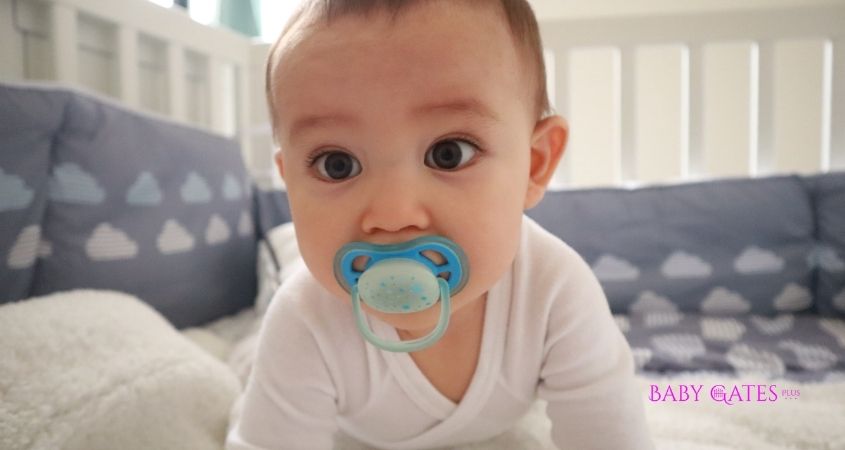
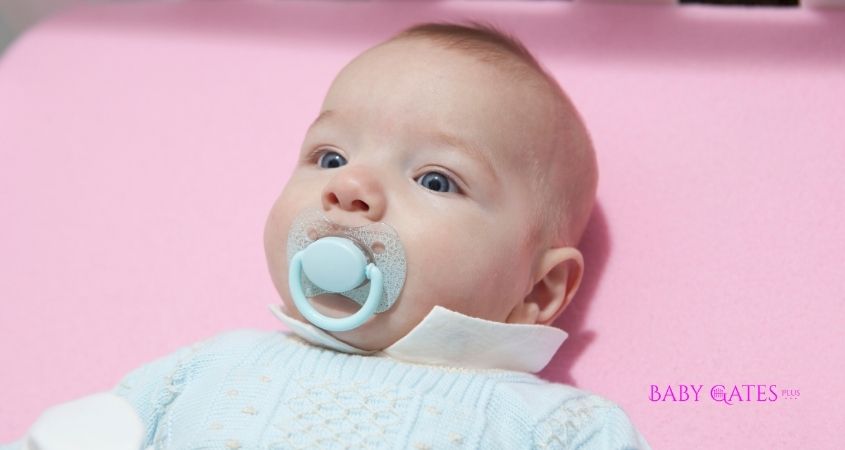
Pacifiers come in various sizes to suit baby’s mouth. Smaller sizes fit newborns better. Larger sizes work for older babies. Shapes vary too. Some are round, some are orthodontic, designed to support teeth and gums. Choose a shape your baby finds comfortable and easy to suck.
Age-appropriate Designs
Pacifiers are designed for different age groups. Newborn pacifiers are smaller and softer. Pacifiers for older babies are bigger and sturdier. Age-appropriate designs help keep the pacifier in longer. Always check the recommended age on the package before buying.
Techniques To Keep Pacifier In
Keeping a pacifier in your baby’s mouth can be tricky. Babies often spit it out or drop it. Using simple techniques helps the pacifier stay in place longer. These methods also keep your baby calm and comfortable.
Below are some easy ways to keep the pacifier in your baby’s mouth safely and effectively.
Proper Insertion Methods
Insert the pacifier gently into your baby’s mouth. Make sure the nipple part is facing up. This matches the natural curve of your baby’s tongue.
Check that the shield sits flat against the lips. Avoid pushing too hard to prevent gagging. Hold the pacifier until the baby starts sucking.
Using Pacifier Clips Safely
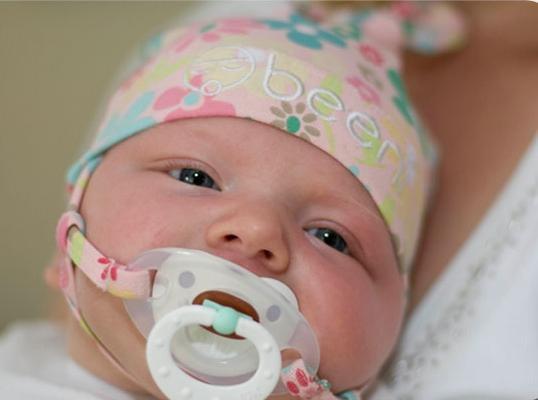
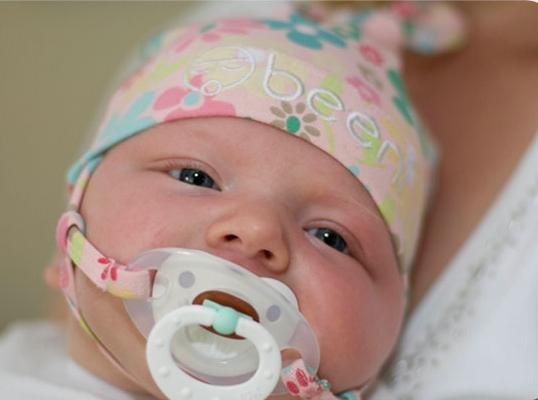
Attach a pacifier clip to your baby’s clothes to prevent it from falling. Choose clips with short straps to avoid choking risks. Make sure the clip is secure but not tight.
Inspect the clip regularly for damage. Replace it if you see any wear or loose parts. This keeps your baby safe and the pacifier close.
Encouraging Baby To Suck
Gently stroke your baby’s lips with the pacifier. This helps trigger the sucking reflex. Offer the pacifier when your baby is calm and relaxed.
Try to use the pacifier during sleepy times. Sucking can soothe and comfort your baby. Avoid forcing the pacifier if the baby resists.
Training a baby to keep a pacifier in their mouth takes patience and care. Babies often spit out the pacifier without meaning to. Teaching them gently helps the pacifier stay longer. This can soothe the baby and reduce fussiness. It also helps parents feel less stressed.
Consistent Pacifier Use Routine
Set specific times for pacifier use. Use it during naps and bedtime. Keep the routine simple and steady. Babies learn better with repetition. Avoid giving the pacifier at random times. This helps the baby expect and accept it. Consistency builds comfort and trust.
Positive Reinforcement Strategies
Praise your baby when they keep the pacifier in. Smile and use a calm voice. Gentle clapping or soft words work well. Babies respond to kindness and attention. Avoid scolding or getting upset. Positive feelings help the baby feel safe. This encourages them to hold the pacifier longer.
Gradual Weaning Approaches
Slowly reduce the time the pacifier is used. Start by limiting it to sleep times only. Gradually, use it less during naps. Replace the pacifier with a soft toy or blanket. This helps the baby feel secure without it. Go at the baby’s pace to avoid stress. Gradual steps make the process easier for both.
Addressing Common Challenges
Keeping a pacifier in a baby’s mouth can be tricky. Many parents face common challenges. These challenges can make the process harder. Understanding these issues helps find easy solutions. Below are some common problems and how to handle them.
Dealing With Pacifier Refusal
Some babies simply refuse to use a pacifier. They might push it out or cry. Try offering the pacifier when your baby is calm. Warm the pacifier with your breath to make it softer. Gently place it in their mouth and wait. Patience is key. Avoid forcing the pacifier as it may cause stress.
Managing Drooling And Saliva
Babies often drool a lot when using a pacifier. This can cause skin irritation. Use soft cloth bibs to keep the area dry. Wipe the baby’s mouth gently but often. Apply a gentle moisturizer to protect the skin. Clean the pacifier regularly to avoid germs.
Handling Sleep Disruptions
Pacifiers can help babies sleep but may also cause disruptions. Babies might wake up when the pacifier falls out. Use a pacifier with a soft, flexible design. Secure the pacifier loosely with a clip, but never tie it around the neck. If the pacifier falls out, wait a moment before putting it back. This helps your baby learn to self-soothe.
Credit: www.cpsc.gov
Safety Tips For Pacifier Use
Using a pacifier can soothe a baby and help them feel calm. Safety is key when giving a pacifier to your baby. Follow simple tips to keep your baby safe and comfortable while using a pacifier. These tips help prevent accidents and keep the pacifier clean and in good condition.
Regular Cleaning Practices
Clean the pacifier often to stop germs from spreading. Wash it with warm water and mild soap every day. Boil the pacifier for a few minutes to sterilize it regularly. Always rinse well before giving it to your baby. Avoid using harsh chemicals or cleaners that may harm your baby.
Avoiding Choking Hazards
Check the pacifier size to make sure it fits your baby’s mouth. Never tie a pacifier around the baby’s neck or hand. Use a short clip or holder designed for pacifiers. Avoid pacifiers with small parts that can come loose. Stop using the pacifier if it breaks or becomes damaged.
Monitoring Wear And Tear
Look closely at the pacifier every day for cracks or tears. Replace the pacifier immediately if you see any damage. Old pacifiers can break easily and cause choking. Keep extra pacifiers on hand for quick replacement. Use only pacifiers made from safe, durable materials for babies.
How Can I Prevent My Baby From Spitting Out The Pacifier?
To keep a pacifier in your baby’s mouth, ensure it fits well and is the right size. Try soothing techniques like gentle rocking or singing. Also, introduce the pacifier when your baby is calm and sleepy for better acceptance.
What Pacifier Types Stay In Baby’s Mouth Longer?
Orthodontic pacifiers with a curved shape tend to stay in the mouth longer. Silicone nipples are preferred for comfort and durability. Avoid large or heavy pacifiers as they may fall out easily and cause discomfort.
When Should I Stop Using A Pacifier For My Baby?
Most experts recommend weaning off pacifiers by 12 months to prevent dental issues. Gradual reduction helps avoid fussiness. Prolonged use can affect teeth alignment and speech development.
How Do I Soothe My Baby Without The Pacifier Falling Out?
Try swaddling, gentle rocking, or white noise to calm your baby. Using a pacifier clip can prevent it from falling but won’t keep it in the mouth. Consistent comforting routines reduce reliance on pacifiers.
Conclusion
Keeping a pacifier in your baby’s mouth can be challenging. Small tricks and gentle patience help a lot. Choose the right pacifier size and shape for comfort. Make sure it’s clean and safe at all times. Watch your baby’s cues to know when to offer it.
Remember, every baby is different and learns at their own pace. Stay calm and consistent, and the process will get easier. Your care and attention make all the difference in soothing your little one.