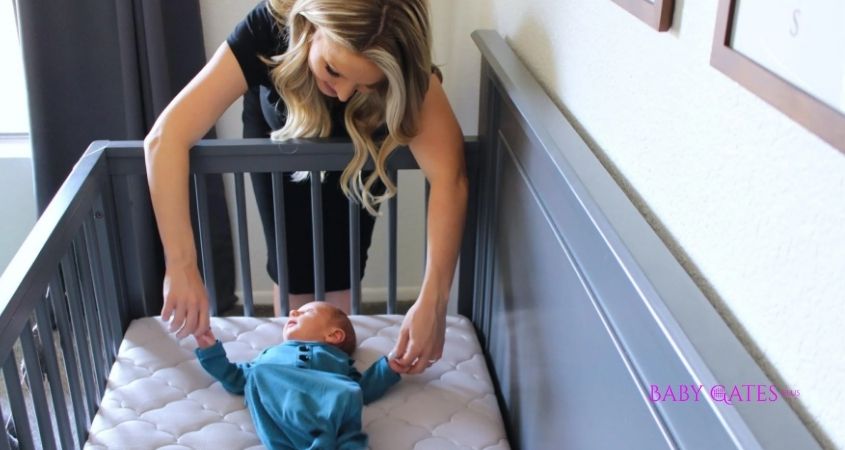
Moving your baby to their crib without waking them can feel like a tricky task. You want your little one to sleep safely and soundly, but even the smallest movement can cause a stir.
Imagine gently placing your baby down, knowing they’ll stay asleep peacefully. You’ll discover simple, practical tips that make this delicate transition easier. Keep reading, and soon you’ll master the art of moving your baby to their crib without a single fuss.
Choosing the right time to move your baby to the crib helps avoid waking them. Timing makes the transition smoother for both of you. Understanding your baby’s natural sleep patterns plays a key role. Moving your baby during deep sleep or quiet moments reduces fussiness.
Observe Baby’s Sleep Cycles
Babies have light and deep sleep phases. Light sleep is when they are easier to wake. Deep sleep is the best time to move them. Watch for signs like steady breathing and relaxed muscles. Moving your baby during deep sleep lowers the chance of waking.
Pick A Calm Moment
Choose a time when your baby is calm and drowsy. Avoid moving them right after feeding or crying. A peaceful moment helps your baby settle in the crib. This reduces stress for your baby and you. Calm moments make crib transition easier and more natural.
Create A Soothing Sleep Environment
Creating a soothing sleep environment helps your baby feel calm and safe. A peaceful setting makes moving your baby to the crib easier. It reduces the chance of waking during the transfer. Small changes in the room can make a big difference. Comfort, sound, and light are key factors. Focus on these to help your baby sleep soundly.
Maintain Comfortable Room Temperature
Keep the room cool but not cold. Ideal temperature is between 68 and 72 degrees Fahrenheit. Too hot or too cold can disturb your baby’s sleep. Use a fan or heater to adjust the temperature. Dress your baby in light sleepwear suitable for the room. Check often to ensure the room stays comfortable throughout the night.
Use White Noise Or Soft Music
White noise masks sudden sounds that can wake your baby. Use a white noise machine or app with gentle sounds. Soft music can also soothe and calm your baby. Choose slow, repetitive tunes without lyrics. Keep the volume low to avoid overstimulation. Play sounds before moving your baby to the crib to create a calm transition.
Dim The Lights
Bright lights can signal your baby to wake up. Use dim lights or a nightlight in the room. Avoid turning on overhead lights during the transfer. Soft lighting helps your baby adjust to the new sleep space. Keep the room dark enough to promote deep sleep. Dim lighting signals it is time for rest and relaxation.
Prepare The Crib For Comfort
Preparing the crib for your baby helps make the move smooth and calm. A cozy crib feels familiar and safe. This comfort helps your baby sleep without waking during the transfer. Focus on creating a gentle, soothing space before moving your baby to the crib.
Use Familiar Bedding
Place your baby’s favorite blanket or sheet in the crib. Use bedding that smells like home or mom. This familiarity can comfort your baby. Soft textures help your baby feel relaxed. Avoid new or harsh fabrics that might cause discomfort.
Ensure Safe Sleep Setup
Always follow safe sleep guidelines in the crib. Use a firm mattress with a fitted sheet only. Remove pillows, toys, and loose blankets. Keep the crib empty to reduce risks. A safe setup keeps your baby secure and peaceful.
Moving a baby to their crib without waking them takes gentle care. The right techniques help keep your baby calm and comfortable. Careful handling ensures a smooth transition from your arms to the crib. These steps reduce sudden movements and keep your baby feeling safe.
Support Baby’s Head And Neck
Always support your baby’s head and neck firmly. Their muscles are still weak and need steady support. Cradle the head gently in one hand. Use your other hand to hold the body. This keeps your baby secure and prevents any jerking motion.
Move Slowly And Smoothly
Slow, smooth movements help avoid startling your baby. Move your arms steadily without quick or jerky shifts. Pause briefly if your baby stirs. This allows them to settle before continuing. Smooth motions keep your baby relaxed during the move.
Keep Baby Close To Your Body
Hold your baby close to your chest for warmth and comfort. Your body provides a calming rhythm with each breath and heartbeat. Keeping them snug reduces fussiness and helps maintain sleep. This closeness reassures your baby during the transfer.
Use Sleep Associations Wisely
Using sleep associations wisely helps your baby feel safe and calm during crib transfers. Babies link certain objects or routines with sleep. These links can make moving to the crib easier without waking them. Establishing good sleep associations supports a smooth transition and restful nights.
Incorporate Pacifiers Or Blankets
Pacifiers and soft blankets can comfort your baby. Choose one item your baby likes and use it every night. This creates a strong connection between the object and sleep. When moving your baby to the crib, place the pacifier or blanket nearby. The familiar item helps soothe your baby and reduces fussiness.
Recreate Pre-sleep Routines
Repeat the same actions before placing your baby in the crib. Gentle rocking, soft singing, or a quiet story works well. These routines signal that sleep time is near. Keeping the routine consistent helps your baby stay calm during the crib move. It lowers the chance of waking up fully.
Credit: www.thebump.com
Responding If Baby Wakes
Moving your baby to the crib without waking can be tricky. Sometimes, your baby might wake up during the move. Knowing how to respond calmly helps your baby settle back down quickly. Your calm actions give your baby comfort and security.
Stay Calm And Soothing
Babies sense your mood. Staying calm helps your baby feel safe. Speak softly and breathe slowly. A calm presence can help your baby relax. Avoid sudden moves or loud noises. These can make your baby more alert.
Avoid Picking Up Immediately
Try not to pick up your baby right away. Let your baby try to settle while lying down. Sometimes, a gentle touch or soft voice is enough. Picking up too soon can make your baby expect it every time. This might make it harder to move your baby later.
Use Gentle Touch And Voice
Lightly stroke your baby’s back or head. Use a soft, quiet voice to reassure your baby. These gentle actions help your baby feel safe. Keep your touch slow and steady. Your soothing voice calms your baby’s mind and body. This helps them drift back to sleep without fully waking.
Consistency And Patience
Moving your baby to a crib without waking takes time and calm effort. Consistency and patience help your baby feel safe and relaxed. Babies notice changes in their routine. Keeping things steady can make the transition smoother. Patience means accepting that progress may be slow. Every baby adjusts at their own pace. Staying calm helps your baby feel calm too.
Establish A Regular Routine
Create a simple, regular bedtime routine. Do the same activities each night. Bath, story, lullaby, then crib. This routine sends a clear signal to your baby. It means sleep time is near. Babies like predictability. A steady routine helps your baby settle faster. It also lowers the chance of waking when moved to the crib.
Expect Gradual Adjustment
Know that your baby won’t adapt immediately. It can take days or weeks. Your baby may wake up during the move at first. This is normal. Keep trying the same method each night. Your baby learns and gets used to the crib. Over time, they will sleep longer without waking. Patience is key to a smooth change.
Gently support your baby’s head and body while transferring. Move slowly and smoothly to avoid sudden movements. Keep the crib environment warm and cozy to help your baby stay asleep during the move.
When Is The Best Time To Move Baby To Crib?
The best time is during deep sleep, usually 20-30 minutes after your baby falls asleep. Avoid moving when your baby is in light sleep or REM phase to prevent waking.
What Techniques Help Baby Stay Asleep In Crib?
Swaddle your baby to mimic womb comfort. Use white noise and dim lighting to create a soothing atmosphere. Place a familiar blanket or sleep sack for added security.
How Do I Prepare Crib For Smooth Baby Transition?
Ensure the crib mattress is firm and flat. Keep bedding minimal to avoid discomfort. Maintain a consistent room temperature around 68-72°F to promote restful sleep.
Conclusion
Moving your baby to the crib without waking takes patience and care. Keep the environment calm and gentle. Use slow, steady movements to avoid startling your baby. Try to keep your baby relaxed and cozy during the transfer. Consistency helps your baby get used to the new sleeping spot.
Remember, every baby is different and learns at their own pace. With practice, this process will become easier for both of you. Sweet dreams await in the crib!