Are you wondering how long your baby can safely sleep in a pack n play? You’re not alone.
Many parents rely on pack n plays for naps and overnight sleep, but questions about time limits and safety often come up. Knowing the right answer can help you keep your little one comfortable and secure. You’ll discover exactly how long your baby can sleep in a pack n play and what signs to watch for when it’s time to switch.
Keep reading to make the best choice for your baby’s sleep routine.
The Pack N Play is a safe and cozy spot for babies to sleep. Many parents wonder how long their baby can sleep in it. The key is understanding the right sleep duration for your baby’s age and needs. Too long in the Pack N Play might make your baby restless or uncomfortable. Knowing the ideal sleep time helps keep your baby happy and healthy.
Babies grow fast. Their sleep patterns change often. Watching for signs that your baby needs a change is important too. This keeps their sleep safe and comfortable.
Recommended Sleep Hours By Age
Newborns usually sleep 14 to 17 hours daily. Most of this sleep happens in short periods. Infants from 4 to 11 months need about 12 to 15 hours of sleep. Toddlers aged 1 to 2 years require 11 to 14 hours. The Pack N Play is great for these ages but mostly for naps or night sleep in early months.
As babies grow older, they may need less sleep in the Pack N Play. Parents should adjust sleep spots based on the baby’s development. The goal is a safe, comfortable sleep environment for every stage.
Signs Baby Needs A Change
Watch for signs your baby needs a different sleep space. If the baby looks cramped, it is time to switch. Babies who try to climb out show they need a bigger area. Fussiness and waking up often can mean discomfort.
Also, if your baby has outgrown the weight or height limits of the Pack N Play, change it. Safety always comes first. Changing sleep spaces helps your baby sleep better and stay secure.
Pack N Play Safety Guidelines
Safety is the top priority when using a Pack N Play for your baby. Following key safety guidelines helps prevent accidents and ensures your baby sleeps soundly. These tips cover proper setup, sleep surfaces, and avoiding unsafe accessories.
Proper Setup And Placement
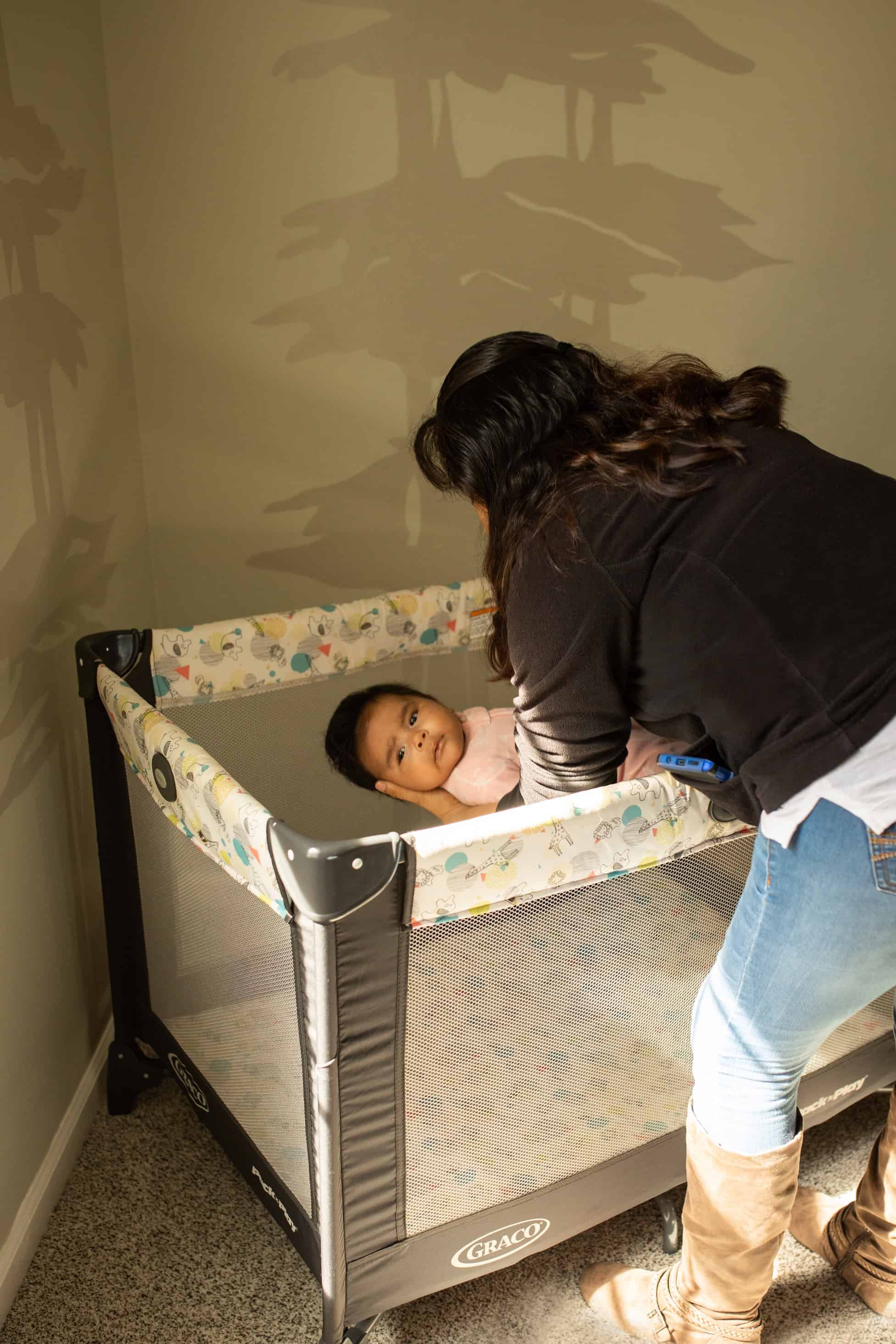
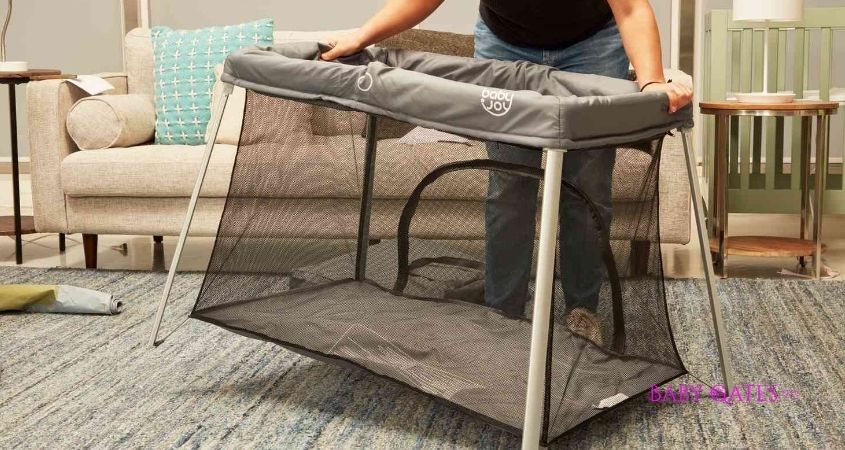
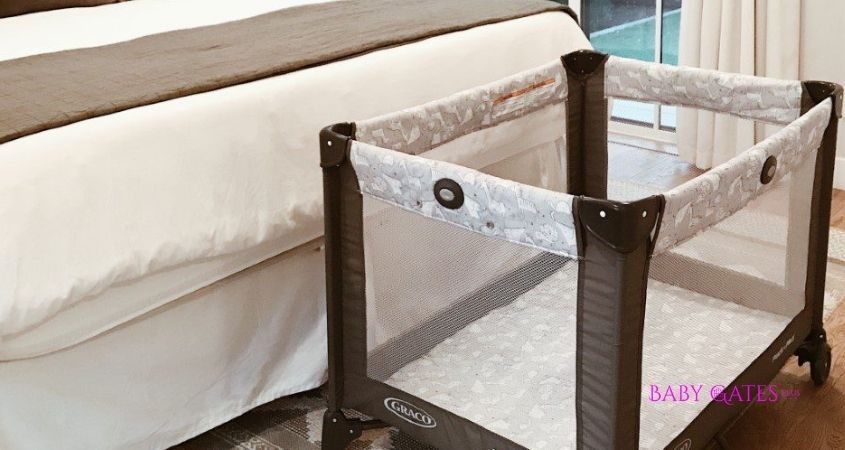
Always set up the Pack N Play on a flat, stable surface. Avoid placing it near windows, cords, or heaters. Make sure all parts click into place securely. Check for any loose or broken pieces before each use.
Suitable Sleep Surfaces
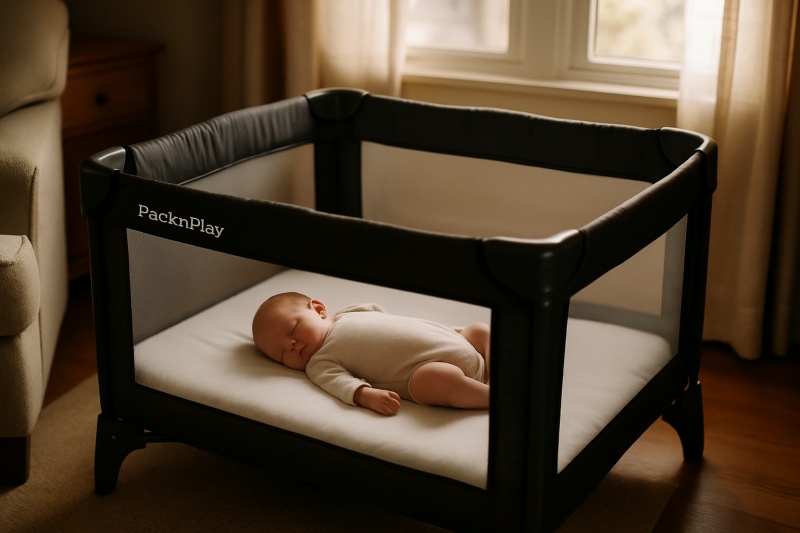
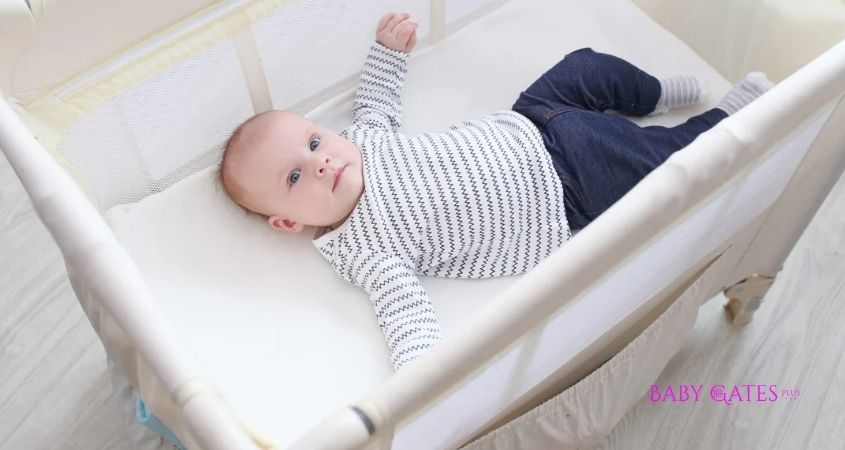
Use only the mattress that comes with the Pack N Play. It should fit snugly without gaps. Avoid adding extra padding or soft bedding. A firm, flat surface reduces the risk of suffocation and Sudden Infant Death Syndrome (SIDS).
Avoiding Unsafe Accessories
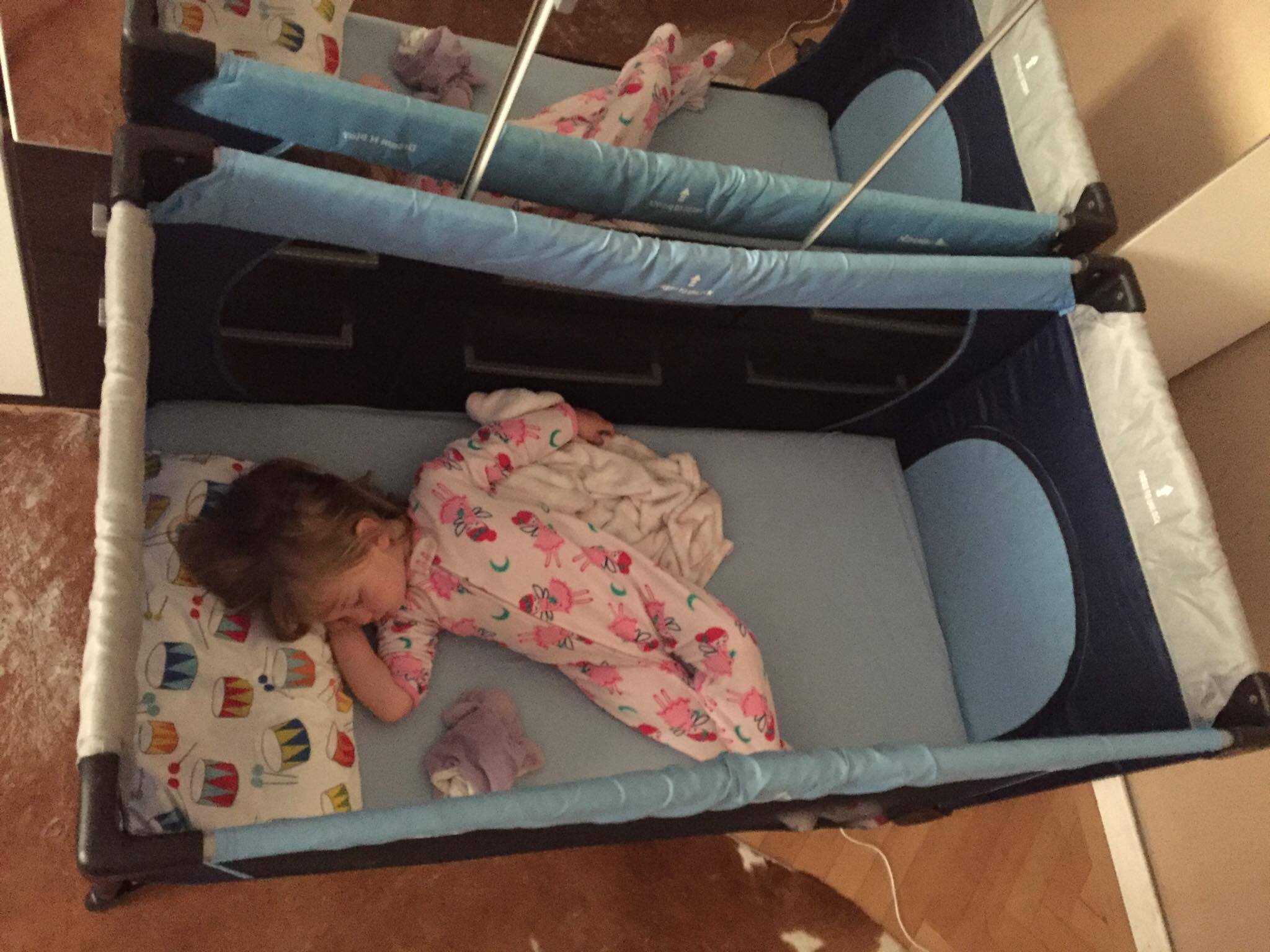
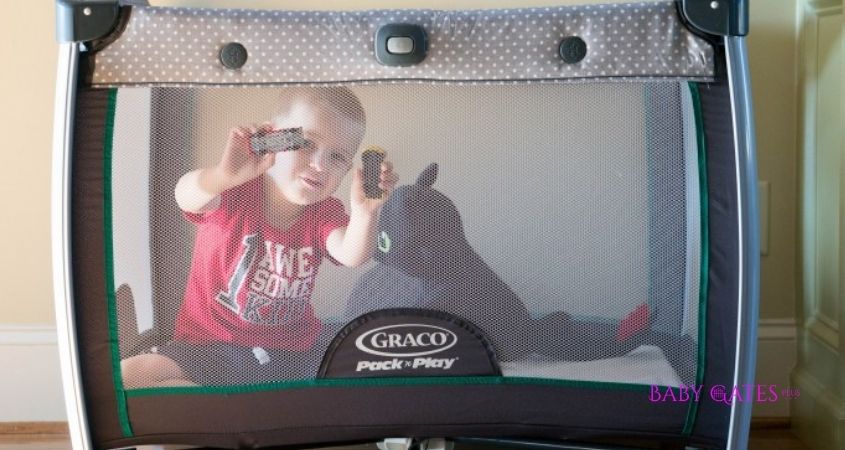
Do not place pillows, blankets, or stuffed animals inside the Pack N Play. These items can cause choking or suffocation. Avoid using wedges or positioners. Keep the area clutter-free for your baby’s safety.
Common Risks And How To Prevent Them
Using a Pack N Play for your baby’s sleep is common. Safety is the top priority. Some risks come with sleeping in a Pack N Play. Knowing these risks helps prevent accidents. Follow safety tips to keep your baby safe and sound.
Suffocation Hazards
Soft bedding can cause suffocation. Avoid pillows, blankets, and stuffed toys inside the Pack N Play. Use a firm mattress with a tight-fitting sheet. Always place your baby on their back to sleep. Check for gaps between the mattress and sides. These gaps can trap a baby’s head or limbs.
Overheating Concerns
Babies can overheat in a Pack N Play. Dress your baby in light, breathable clothes. Avoid heavy blankets or thick sleepwear. Keep the room temperature comfortable, not too hot. Proper airflow helps prevent overheating. Watch for signs like sweating or flushed skin.
Falls And Injuries
Falls can happen if the Pack N Play is not secure. Always lock the sides in place before use. Make sure the Pack N Play is on a flat, stable surface. Avoid placing it near windows or furniture. Never leave your baby unattended on raised surfaces. Check regularly for broken parts or loose screws.
The Pack N Play is a great sleep space for babies. But babies grow fast. You will need to know when it is time to move your baby to a new sleeping area. Transitioning at the right time keeps your baby safe and comfortable. Watch your baby’s growth and needs closely.
Changing sleep spaces can feel like a big step. It is important to choose the best time for your baby. This helps your baby get used to the new bed easily. Watch for signs that your baby is ready to move on.
Recognizing Developmental Milestones
Babies grow and change quickly. Some milestones show they need more space. If your baby can sit up well, it may be time to change. Crawling or pulling up to stand are also signals. These actions show your baby wants to explore more. The Pack N Play might feel small or unsafe now. Watch for these signs closely to keep your baby safe.
Alternative Sleep Options
After the Pack N Play, many options exist. A crib is a common next step. Cribs provide more space and safety. Toddler beds are another choice for older babies. Some parents use a bed with rails for safety. Choose a sleep space that fits your baby’s size and skill. Make sure it meets safety standards. Comfort and security help your baby sleep well.
Tips For Comfortable Sleep In Pack N Play
Creating a cozy space in a Pack N Play helps your baby rest better. Comfort matters for peaceful sleep. Small changes can make a big difference. Focus on mattress choice and room setup.
Good sleep supports your baby’s growth and mood. A few tips make the Pack N Play a safe and comfy spot.
Choosing The Right Mattress
Pick a mattress that fits the Pack N Play snugly. Avoid gaps where your baby could get stuck. Firm mattresses help keep the baby safe. Soft mattresses increase the risk of suffocation. Look for mattresses made of breathable materials. A waterproof cover can keep the mattress clean. Change bedding often to maintain freshness.
Maintaining Ideal Room Conditions
Keep the room temperature between 68 and 72 degrees Fahrenheit. This range prevents overheating or chills. Use a fan or air conditioner for airflow. Avoid placing the Pack N Play near windows or direct sunlight. These spots can cause drafts or heat. Dim the lights to help your baby relax. Reduce loud noises to support restful sleep. A calm environment helps your baby fall asleep faster.
How Long Can A Baby Safely Sleep In A Pack N Play?
Babies can sleep in a Pack N Play until they reach 15 pounds or start climbing out. Always follow the manufacturer’s weight and age guidelines for safety.
When Should I Stop Using Pack N Play For My Baby?
Stop using a Pack N Play when your baby can pull up or climb out. This usually happens around 12 to 15 months of age.
Is It Safe For Newborns To Sleep In A Pack N Play?
Yes, newborns can safely sleep in a Pack N Play with a firm mattress and no loose bedding. Always supervise and follow safe sleep guidelines.
Can Toddlers Use Pack N Play For Sleep?
Toddlers can use a Pack N Play if they fit weight and size limits. Once they can climb, transition to a crib or toddler bed for safety.
Conclusion
Babies can safely sleep in a Pack N Play for several months. Always follow the manufacturer’s age and weight limits. Use a firm mattress and keep the space clear of toys or blankets. Check regularly for wear and tear to keep it safe.
Remember, every baby is different. Watch for signs your baby needs a bigger sleeping space. This helps ensure your baby sleeps well and stays safe. Trust your instincts and consult your pediatrician if unsure. Keep your little one comfortable and secure in their Pack N Play.