Are you wondering how long your baby can safely sleep in a mini crib? If you’re like most parents, you want to make sure your little one is comfortable and secure while getting the rest they need.
But mini cribs come with size limits and safety guidelines that you need to know. Keep reading to discover exactly when it’s time to switch to a bigger bed, so you can protect your baby’s sleep and your peace of mind.
Don’t miss these important tips that every parent should know!
Understanding the basics of a mini crib helps parents make smart choices. Mini cribs are smaller than standard cribs. They fit well in tight spaces and offer a cozy spot for babies to sleep.
Parents often wonder how long their baby can safely sleep in a mini crib. Knowing the key features and benefits of mini cribs gives a clear picture.
What Is A Mini Crib?
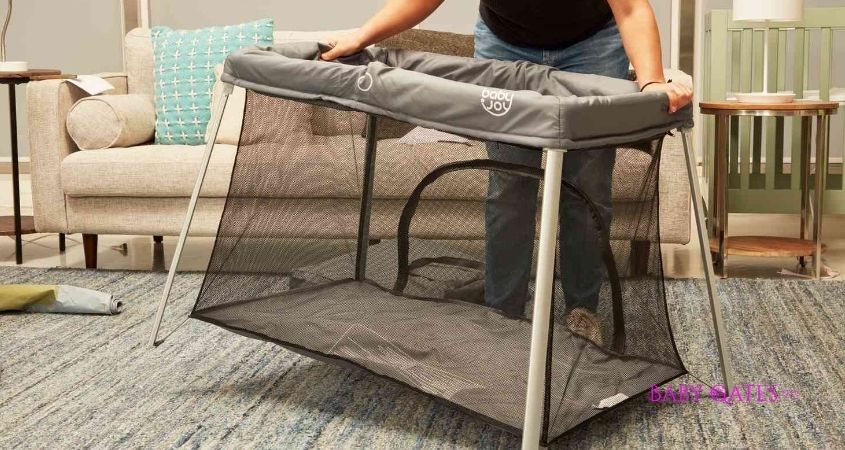
A mini crib is a small, portable crib designed for infants. It usually measures about 24 by 38 inches. This size is smaller than a regular crib, which is about 28 by 52 inches. Mini cribs are ideal for small rooms, apartments, or travel. They provide a safe and comfortable sleeping area for newborns and young babies.
Benefits Of Using A Mini Crib
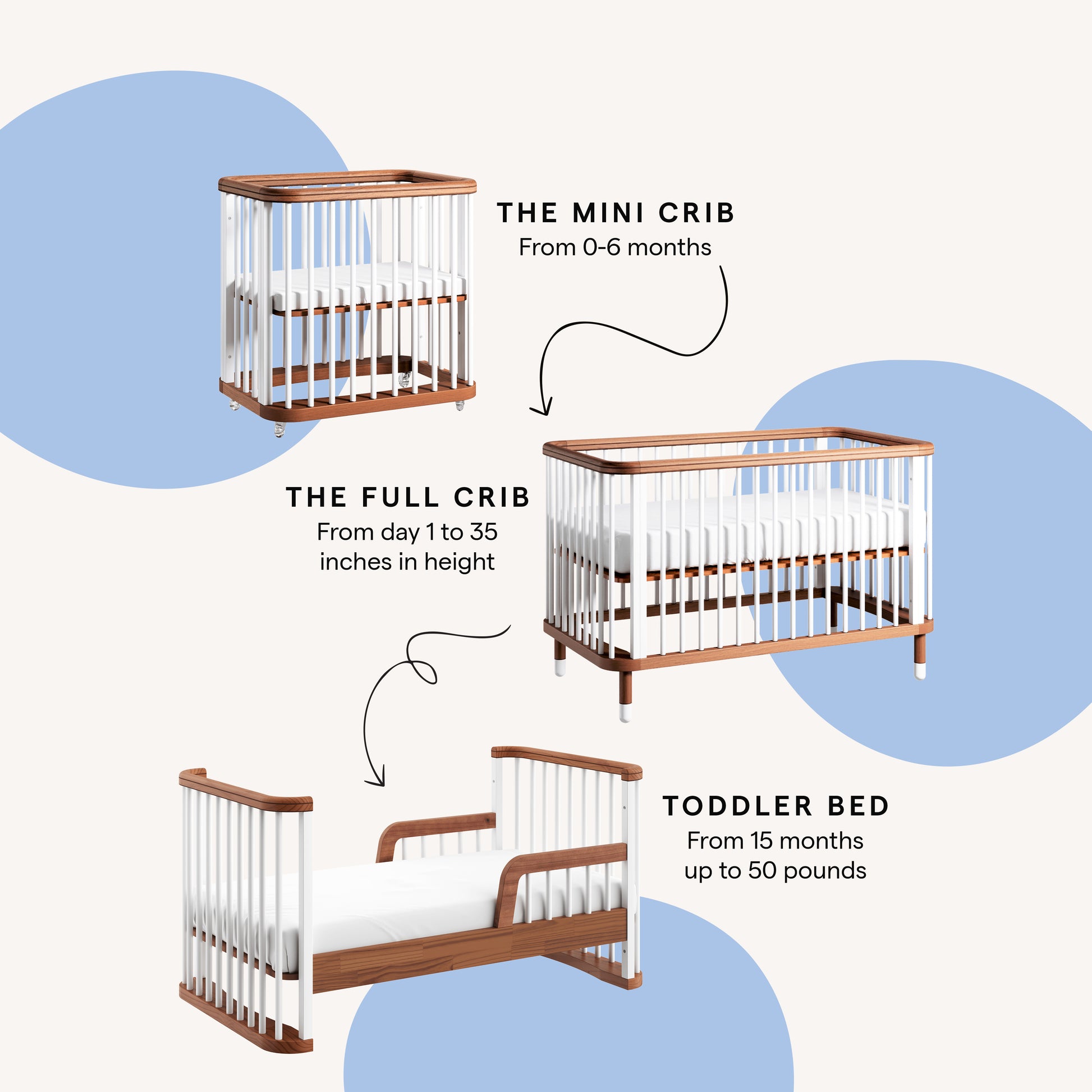
Mini cribs save space in small rooms. They are easier to move around the house or take on trips. Many mini cribs can convert into toddler beds, making them useful for longer periods. These cribs create a snug environment that may help babies sleep better. Parents appreciate their convenience and flexibility.
Credit: www.600sqft.com
Ideal Sleep Duration For Babies
Babies need plenty of sleep to grow and stay healthy. The right amount of sleep helps their brain and body develop well. Knowing how long a baby should sleep in a mini crib helps parents set good sleep habits. This section explains the ideal sleep duration for babies and signs they are resting enough.
Recommended Sleep Hours By Age
Newborns sleep a lot, often between 14 to 17 hours each day. They nap many times during the day and night. From 3 to 6 months, babies usually sleep 12 to 16 hours in 24 hours. This includes naps and night sleep. Babies aged 6 to 12 months need about 12 to 15 hours of sleep daily. As they grow, naps become shorter and less frequent.
Signs Baby Is Getting Enough Sleep
Babies who sleep well tend to be calm and happy. They wake up easily and smile or coo. A well-rested baby will feed well and show good muscle control. If a baby is cranky or hard to soothe, they may need more sleep. Regular naps and a steady bedtime routine help keep babies rested.
Mini cribs offer a cozy sleep space for babies. Safety must be the top priority. Following clear guidelines helps keep your baby safe and comfortable. This section covers key safety tips for mini crib sleep.
Weight And Height Limits
Every mini crib has a weight and height limit. Check the manufacturer’s label before use. Most mini cribs support babies up to 15 to 20 pounds. Height limits vary but often range around 35 inches. Stop using the mini crib when your baby reaches these limits. Exceeding limits can cause accidents or damage.
Sleep Position And Environment
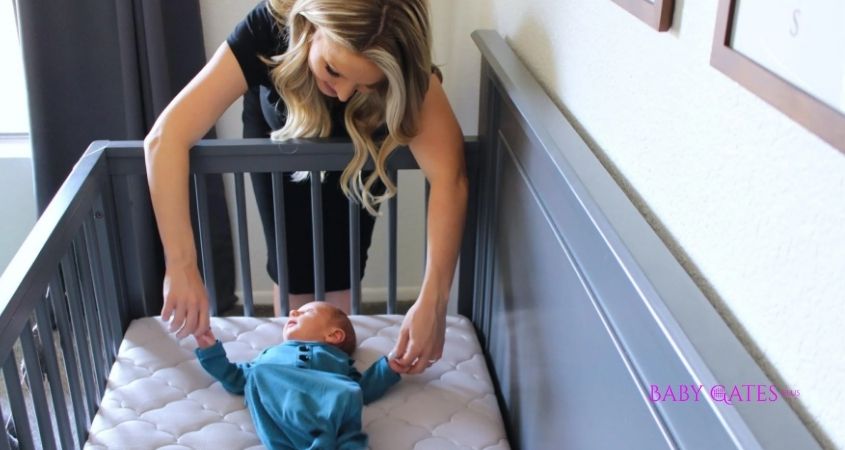
Always place your baby on their back to sleep. This reduces the risk of sudden infant death syndrome (SIDS). Use a firm mattress that fits snugly inside the crib. Keep the crib free of pillows, blankets, and toys. These items may cause suffocation. Make sure the room temperature is comfortable, not too hot or cold.
Common Safety Mistakes To Avoid
Do not use drop-side mini cribs; they are unsafe. Avoid placing the mini crib near windows or cords. Babies can get tangled or fall. Never add extra padding or bumper pads. These can block airflow and increase risk. Regularly inspect the crib for loose parts or damage. Tighten screws and bolts as needed to keep it stable.
Credit: www.nestig.com
When To Transition Out Of A Mini Crib
Knowing when to transition your baby out of a mini crib is important for their safety and comfort. Babies grow fast, and their sleep needs change. Keeping your child in a mini crib too long can become unsafe.
Watch your baby’s growth and behavior closely. These signs help decide the right time to move on from the mini crib. Moving at the right time helps your child sleep better and stay safe.
Growth Milestones To Watch
Check your baby’s height and weight regularly. Most mini cribs suit babies up to 35 inches tall. If your baby reaches this height, it is time to switch.
Also, notice if your baby starts to climb out. Climbing means the crib is no longer safe. Babies who can stand or climb need a larger bed.
Behavioral Cues For Transition
Look for signs like restlessness or waking often. These can mean your baby feels cramped in the mini crib. If your baby resists going to sleep there, consider a change.
Babies who try to escape or stand in the crib show they need more space. Pay attention to these behaviors to keep sleep safe and peaceful.
Alternative Sleep Options
Consider toddler beds or convertible cribs as the next step. These options offer more room and safety features. A bed with low rails helps prevent falls while giving freedom.
Some parents choose floor mattresses for toddlers who move a lot. This option reduces the risk of injury from falls. Choose a safe, comfortable sleep space that fits your child’s needs.
Expert Tips For Maximizing Mini Crib Use
Maximizing the use of a mini crib helps your baby sleep safely and comfortably. Understanding how to set up and care for the crib ensures longer use. Small changes can make a big difference in your baby’s sleep quality and safety.
Choosing The Right Mattress
Pick a mattress that fits the mini crib snugly. Avoid gaps between the mattress and crib sides. A firm mattress supports your baby’s growing body. Soft mattresses can increase the risk of suffocation. Look for a mattress with a waterproof cover for easy cleaning. Always check the mattress for safety certifications.
Maintaining A Comfortable Sleep Space
Keep the crib area clean and free of toys or pillows. Use breathable bedding to prevent overheating. Dress your baby in light, comfortable clothes for sleep. Adjust the room temperature to between 68 and 72 degrees Fahrenheit. Ensure good airflow but avoid direct drafts on the baby. Clean the mini crib regularly to remove dust and allergens.
Routine Tips For Better Sleep
Create a consistent bedtime routine to help your baby relax. Use soft sounds or white noise to soothe your baby. Dim the lights to signal bedtime. Place your baby in the mini crib while drowsy but awake. This practice helps your baby learn to fall asleep alone. Stick to regular nap and bedtime schedules for better rest.
Babies can safely sleep in a mini crib until they reach about 15 months or 20 pounds. Always check the manufacturer’s weight and height limits for safety. Transition when your baby starts to outgrow the crib or attempts to climb out.
When Should I Transition My Baby From A Mini Crib?
Transition your baby when they exceed the crib’s weight or height limits. Also, consider switching if your baby tries to climb out. Usually, this occurs around 12 to 18 months, depending on your baby’s growth and activity level.
Are Mini Cribs Suitable For Newborns?
Yes, mini cribs are suitable for newborns and provide a cozy sleeping space. They are compact and perfect for small rooms or travel. Always ensure the mattress fits snugly for your baby’s safety.
Can A Mini Crib Be Used For Toddlers?
Mini cribs are generally designed for infants, not toddlers. Once your child starts to climb or exceeds size limits, transition to a toddler bed. This helps ensure safety and comfort for your growing child.
Conclusion
Babies grow fast and outgrow mini cribs quickly. Most infants can sleep safely in mini cribs until 6 to 12 months old. Watch your baby’s size and activity level closely. When they start to roll or climb, it’s time to switch.
Choosing the right time helps keep your baby safe and comfortable. Always follow safety guidelines and check the crib’s weight limit. A good sleep space supports healthy growth and rest. Trust your instincts and your baby’s needs above all.