You want the best for your baby, especially when it comes to their safety during sleep. But sometimes, the rules and advice can feel overwhelming or confusing.
What if there was a simple, clear way to protect your little one while they rest peacefully? You’ll discover easy steps you can take right now to create a safe sleeping space for your baby. Keep reading—your baby’s safety depends on what you do next.
Safe Sleep Environment
Creating a safe sleep environment is key to protecting your baby at night. This space must be free from hazards and designed to reduce risks. A safe sleep area helps your baby rest peacefully and keeps you calm.
Focus on the crib, mattress, and bedding. Each element plays a role in safety. Proper choices reduce the chance of accidents and ensure comfort. Let’s explore what makes a safe sleep environment for your baby.
Choosing The Right Crib
Select a crib that meets current safety standards. Look for sturdy construction and no missing parts. Slats should be close together, no wider than 2 3/8 inches. Avoid cribs with drop sides or sharp edges. Make sure the crib is free from peeling paint or loose screws.
Optimal Mattress Selection
Pick a firm mattress that fits snugly inside the crib. Gaps between mattress and crib sides can trap your baby. Avoid soft or sagging mattresses. A firm surface supports your baby’s body and reduces suffocation risks. Choose a mattress made from non-toxic materials to protect your baby’s health.
Proper Bedding And Linens
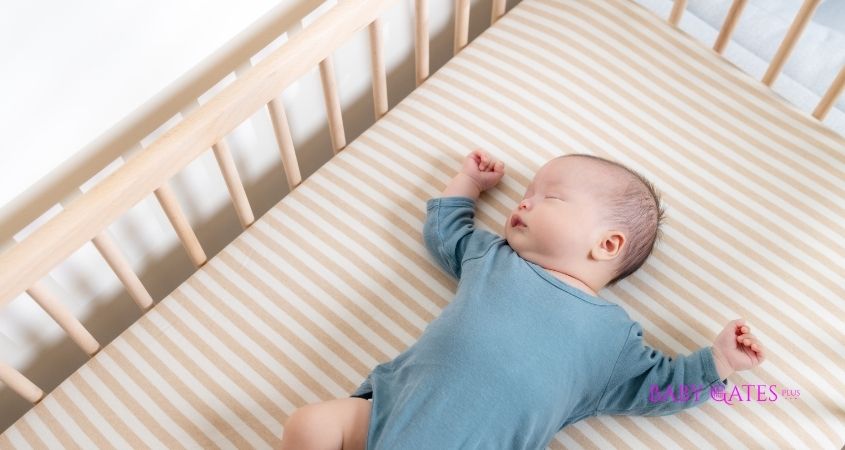
Use only a fitted sheet designed for the crib mattress. Do not add pillows, blankets, or stuffed animals. These items can cause overheating or suffocation. Keep the sleep area clear and simple. Dress your baby in a wearable blanket or sleep sack for warmth instead of loose bedding.
Sleep Position Tips
Choosing the right sleep position is key to keeping your baby safe at night. Babies are delicate and need extra care during sleep. The position they rest in can affect their breathing and reduce risks of sudden infant death syndrome (SIDS). Follow these simple sleep position tips to help your baby sleep safely and soundly.
Back Sleeping Benefits
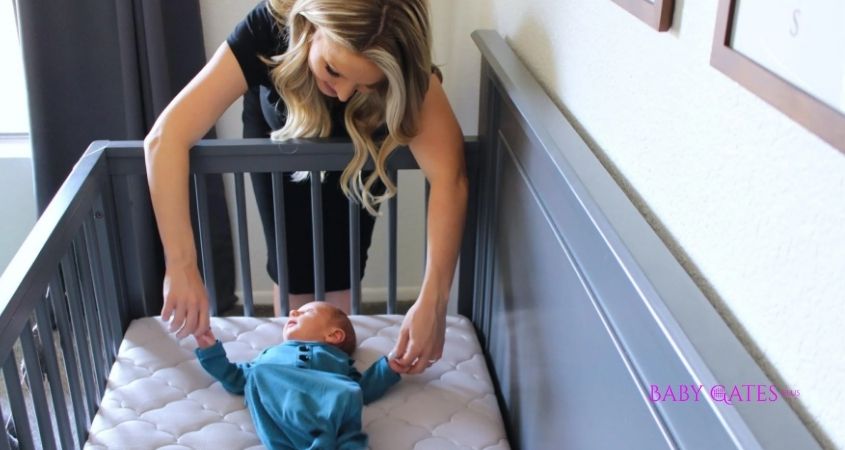
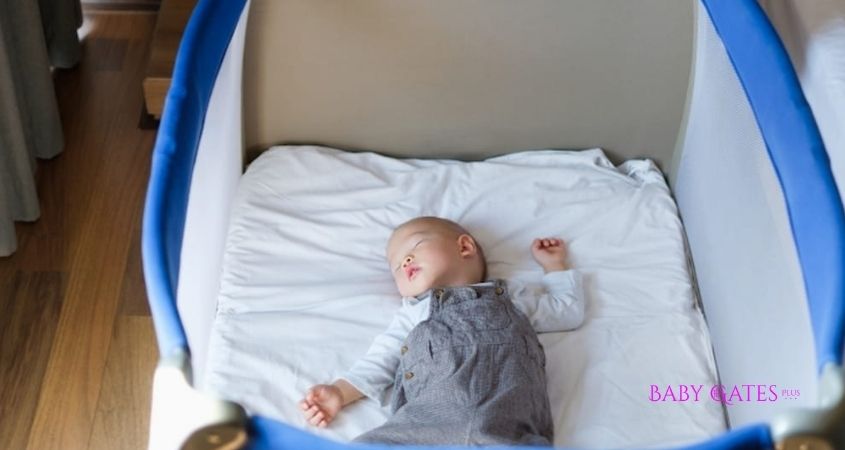
Putting your baby on their back is the safest sleep position. This position keeps the airway open and helps prevent choking. Studies show back sleeping lowers the risk of SIDS significantly. Babies who sleep on their backs also breathe easier and stay cooler. Always place your baby flat on their back, not on their side or stomach.
Avoiding Unsafe Positions
Never place your baby on their tummy or side to sleep. These positions increase the risk of suffocation and SIDS. Soft bedding, pillows, or stuffed toys in the crib can also be dangerous. Avoid loose blankets or anything that might cover your baby’s face. Keep the crib clear and use a firm mattress for safe sleep.
Room Sharing Guidelines
Room sharing is a safe sleeping practice recommended for babies. It means the baby sleeps in the same room as the parents but not in the same bed. This arrangement helps parents watch their baby closely. It also reduces the risk of sudden infant death syndrome (SIDS). Parents should follow clear guidelines to keep the baby safe while room sharing.
Benefits Of Room Sharing
Room sharing helps parents respond quickly to the baby’s needs. Feeding and comforting become easier during the night. The baby feels secure and calm near the parents. Studies show room sharing lowers the chance of SIDS. It also helps parents notice any breathing problems early. This close proximity supports better sleep for both baby and parents.
Keeping The Sleep Area Separate
Keep the baby’s crib or bassinet separate from the parents’ bed. Use a firm mattress with a fitted sheet. Avoid soft bedding, pillows, or toys in the baby’s sleep area. These items can cause suffocation or overheating. Position the crib away from cords, blinds, or heaters. Make sure the baby sleeps on their back every time. A separate sleep space reduces risks while keeping the baby nearby.
Temperature And Clothing
Keeping your baby safe during sleep includes paying close attention to temperature and clothing. Babies can get too hot or too cold easily. Both can cause discomfort and health risks. The right room temperature and sleepwear help your baby sleep safely and comfortably.
Ideal Room Temperature
Keep the baby’s room between 68 and 72 degrees Fahrenheit. This range helps avoid overheating or chilling. Use a room thermometer to check the temperature regularly. Avoid placing the crib near windows or heaters. A cool, steady temperature is best for safe sleep.
Choosing Safe Sleepwear
Select sleepwear made from breathable fabrics like cotton. Avoid heavy blankets or quilts in the crib. Use a wearable blanket or sleep sack instead. Dress your baby in one more layer than you wear. Check your baby’s neck or back to ensure they are not too hot or cold.
Avoiding Hazards
Keeping your baby safe during sleep is very important. Avoiding hazards in the crib helps reduce risks. A safe sleep environment lowers the chance of accidents and sudden infant death syndrome (SIDS).
Simple steps can protect your baby while they rest. Removing unsafe items and using sleepwear correctly are key parts of safe sleep.
Removing Soft Objects And Toys
Keep the crib empty of pillows, blankets, and stuffed animals. Soft items can cover your baby’s face. This blocks air and makes breathing hard. Remove bumpers and loose bedding too. These objects create risk for suffocation and overheating. A bare crib is the safest place for sleep.
Safe Use Of Swaddles And Sleep Sacks
Swaddles and sleep sacks keep babies warm without loose blankets. Use swaddles only for newborns who cannot roll. Stop swaddling when baby shows signs of rolling over. Sleep sacks are safer for older babies. Choose the right size to avoid slipping inside. Make sure the fabric is breathable and fits well. Proper use helps keep your baby cozy and safe.
Monitoring And Supervision
Keeping a close watch on your baby during sleep is very important. Monitoring and supervision help you respond quickly to any problem. It gives peace of mind and ensures your baby stays safe.
Careful observation can spot signs of discomfort or danger early. Parents and caregivers should use tools and habits that help keep an eye on the baby without disturbing their rest.
Using Baby Monitors
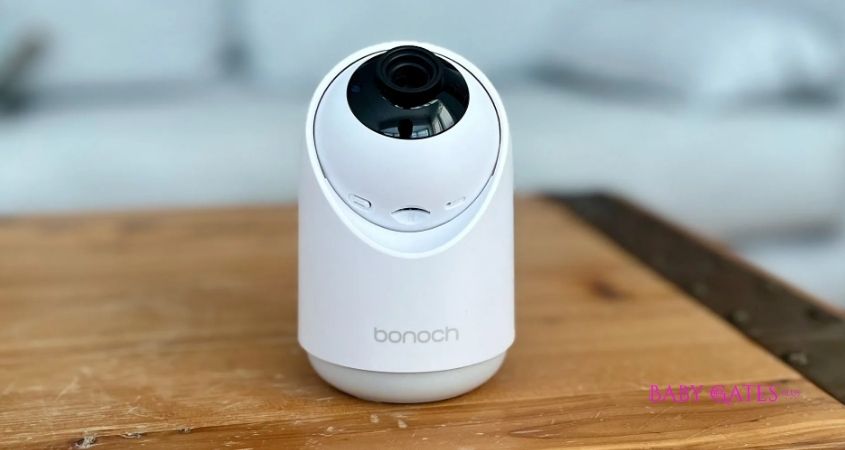
Baby monitors let you hear and see your baby from another room. They provide real-time updates on your baby’s sounds and movements. Choose a monitor with clear audio and video quality. Some models have night vision to see in the dark. Use monitors with alert features for unusual sounds or movements. Position the monitor safely, away from the baby’s crib. This helps you watch your baby without entering the room and disturbing sleep.
Regular Sleep Checks
Even with monitors, checking on your baby in person is important. Regular sleep checks mean gently looking at your baby every 20 to 30 minutes. Check their breathing, position, and comfort. Make sure there are no loose blankets or toys in the crib. Keep your baby on their back to sleep. These checks help prevent risks like suffocation or overheating. Always use a calm voice and soft touch to avoid waking your baby fully.
Safe Sleep Practices For Different Ages
Safe sleep practices change as your baby grows. Babies need different care during sleep at different ages. Knowing these changes helps keep them safe and comfortable.
Newborns sleep a lot but need careful monitoring. Toddlers move more and explore their space. Each stage requires specific safety steps.
Newborns To Six Months
Always place newborns on their backs to sleep. Use a firm mattress without soft bedding. Avoid pillows, blankets, or toys in the crib. Keep the room cool, not too warm. Use a sleep sack instead of blankets. Share the room, not the bed, with your baby. Check the crib for safety standards. Regularly watch your baby during sleep times.
Older Infants And Toddlers
Older babies may start to roll or sit up. Keep the sleep area free of loose items. Use guardrails if your toddler sleeps in a bed. Avoid heavy blankets or quilts that can cause suffocation. Make sure toys are safe and small enough. Keep the sleep environment calm and quiet. Maintain consistent bedtime routines. Encourage self-soothing to help them sleep safely.
Frequently Asked Questions
How Should My Baby Sleep To Stay Safe?
Babies should sleep on their backs on a firm mattress. Avoid soft bedding, pillows, and toys in the crib. This reduces the risk of suffocation and Sudden Infant Death Syndrome (SIDS).
What Room Temperature Is Best For Baby Sleep?
Keep the room temperature between 68-72°F (20-22°C). A comfortable temperature prevents overheating, which is linked to sleep hazards. Dress your baby in light sleepwear to maintain a safe body temperature.
Is Co-sleeping Safe For My Baby?
Co-sleeping increases the risk of accidental suffocation and SIDS. It’s safest to have your baby sleep in a separate crib or bassinet in your room for the first six months.
When Can My Baby Sleep With Blankets Safely?
Avoid blankets until your baby is at least 12 months old. Before then, use a wearable blanket or sleep sack to keep your baby warm without loose bedding risks.
Conclusion
Keeping your baby safe during sleep is very important. Use a firm mattress and a fitted sheet. Always place your baby on their back to sleep. Keep the crib free of toys, pillows, and loose blankets. Dress your baby in light clothes to avoid overheating.
A smoke-free environment helps protect your baby’s health. Follow these simple steps every night. Peace of mind comes with safe sleeping habits. Your baby deserves a safe and restful sleep. Small actions make a big difference. Safety first, always.