Are you finding it hard to get your baby to stop using your nipple as a pacifier? You’re not alone.
Many parents struggle with this habit, and it can be frustrating for both you and your little one. If you want to help your baby break free from this comfort without causing distress, you’re in the right place. You’ll discover simple, effective steps to gently guide your baby away from using your nipple as a soothing tool.
Keep reading to learn how to make this transition easier for both of you.
Babies often use nipples not only to feed but to feel calm. This habit can confuse parents about whether their baby is hungry or just needs comfort. Understanding why babies use nipples as pacifiers helps in guiding them gently away from this habit.
Comfort And Soothing Needs
Babies find sucking very soothing. It helps them feel safe and calm. The nipple acts like a tool for comfort. Sucking can lower stress and help babies fall asleep. This is why they often turn to nipples when upset or tired.
Hunger Vs. Habit
Babies suck for hunger and also out of habit. Sometimes they want food. Other times, they just want to suck without needing milk. Parents can learn to tell the difference by watching baby’s cues. Recognizing this helps avoid feeding when the baby only seeks comfort.
Emotional Attachment
Babies can form an emotional bond with the nipple. It becomes a symbol of safety and love. This attachment can make it hard to stop using the nipple as a pacifier. Babies rely on it to feel secure during stress or change.
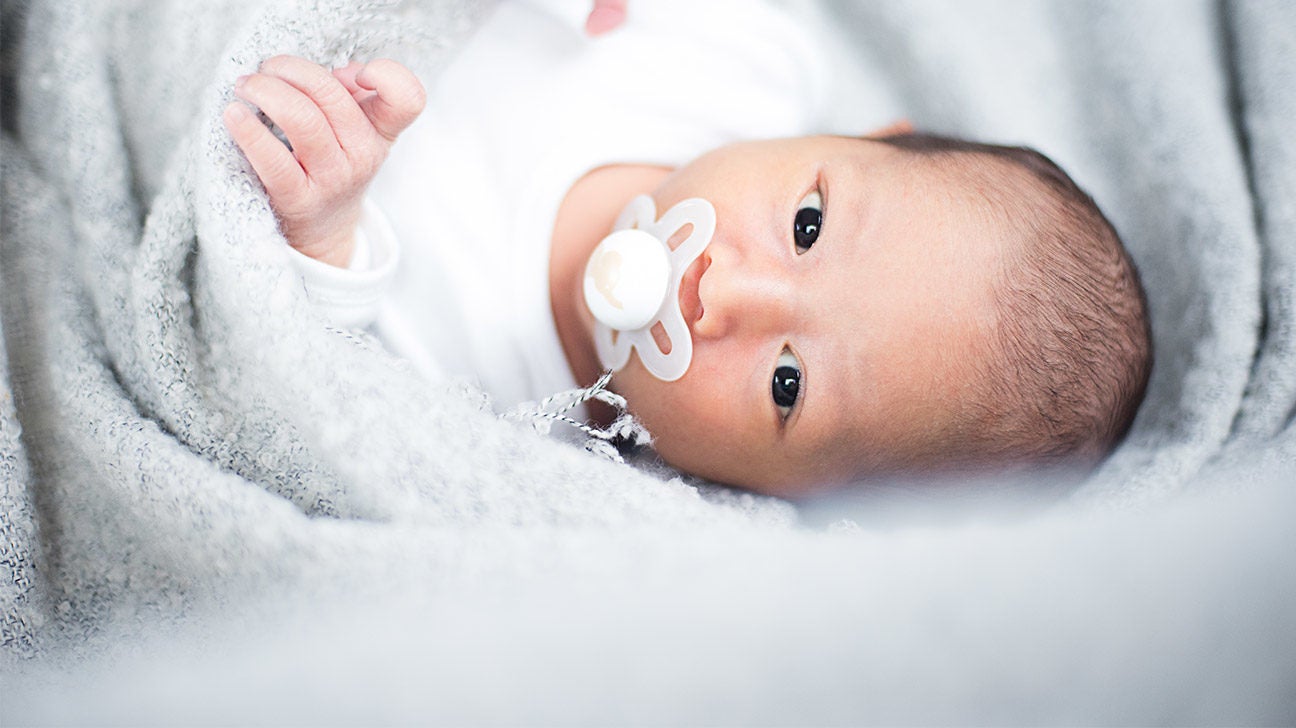
Credit: www.healthline.com
Signs Your Baby Is Using Nipple As A Pacifier
Babies use sucking as a natural way to feel calm and secure. Sometimes, they use the nipple more for comfort than for feeding. This habit can be tricky for parents who want to encourage proper feeding habits. Knowing the signs that your baby is using the nipple as a pacifier helps you address the issue early.
Frequent Sucking Without Hunger
Your baby may suck on the nipple often, even when not hungry. This is a clear sign they use sucking to soothe themselves. The sucking is slow and rhythmic, not fast and eager like during feeding. It often happens between meals or when the baby is tired.
Resistance To Feeding
Babies using the nipple as a pacifier might refuse to feed properly. They may pull away or fuss when you try to feed them. Their interest in milk decreases because sucking is more about comfort. This resistance can lead to feeding problems and low milk intake.
Restlessness And Fussiness
Babies who use the nipple for comfort might become restless or fussy when it is taken away. They may cry or show signs of distress. This fussiness usually happens during times when they want to suck for comfort, not hunger. Watching for this behavior helps you understand their needs better.
Safe Alternatives To Nipple Pacifiers
Finding safe alternatives to using the nipple as a pacifier helps your baby feel calm and secure. These options support healthy development and soothe your child without causing dependency. Trying different choices can ease the transition away from the nipple as a comfort source.
Choosing The Right Pacifier
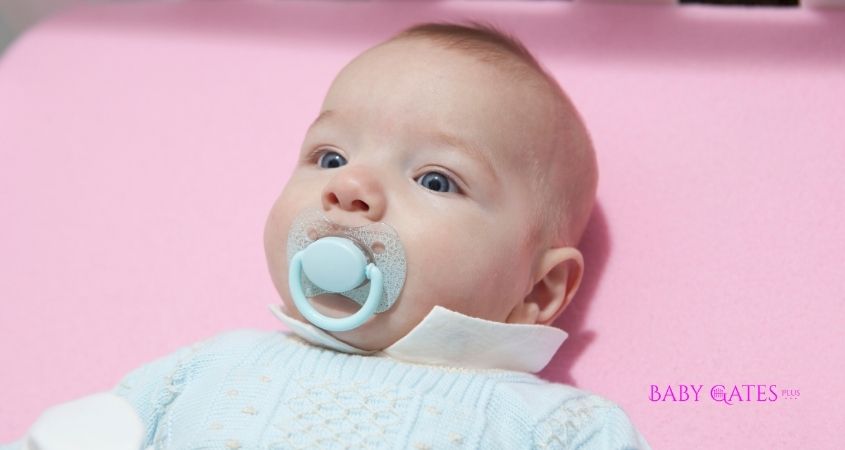
Select a pacifier designed for your baby’s age. Look for soft, BPA-free materials that are gentle on gums. A pacifier with a symmetrical shape encourages natural sucking. Change the pacifier regularly to keep it clean and safe. This helps your baby adjust to a new comfort tool easily.
Using Teething Toys
Teething toys offer relief for sore gums and keep your baby busy. Choose toys made from safe, non-toxic materials with different textures. Chilling teething rings can soothe inflamed gums more effectively. Always supervise your baby while using teething toys. These toys provide comfort without involving the nipple.
Comfort Blankets And Soft Toys
Soft blankets or cuddly toys create a sense of security. Pick items that are washable and free of small parts. Let your baby hold or hug these during rest or sleep times. These familiar objects help reduce the need for nipple sucking. Comfort blankets and toys promote emotional comfort safely.
Reducing nipple sucking can help your baby develop healthy habits. It also prevents discomfort for both you and your child. The right strategies make this process smoother. Focus on gentle and consistent steps for best results.
Try different methods to find what works best for your baby. Patience is key. Babies respond well to calm and clear routines.
Establishing A Feeding Schedule
Create regular feeding times to meet your baby’s hunger needs. A set schedule helps your baby feel secure and less likely to suck for comfort. Watch for hunger signs and offer food before fussiness starts. Consistency reduces the need for non-nutritive sucking.
Offering Distractions And Activities
Provide toys or soft objects to keep your baby’s hands busy. Engage your baby with gentle play or singing. Movement like rocking or walking can calm your baby without nipple use. Distractions shift focus away from sucking habits gradually.
Gentle Redirection Techniques
When your baby starts to suck on the nipple for comfort, gently offer a toy instead. Use soft words and soothing touch to guide your baby’s attention. Avoid force or harsh reactions to prevent stress. Calm redirection encourages new soothing habits.
Encouraging Self-soothing Skills
Helping your baby learn to comfort themselves is important for their growth. Encouraging self-soothing skills teaches your child to relax without always needing the nipple. This skill promotes better sleep and emotional balance. It also reduces dependence on feeding for comfort. Patience and consistency are key in this process.
Teaching Independent Comfort
Offer a soft blanket or a favorite toy for comfort. Gently show your baby how to hold the item. Let them explore and use it during calm moments. This helps shift comfort from the nipple to other objects. Avoid forcing the change. Support their efforts with gentle encouragement.
Creating A Calming Bedtime Routine
Establish a simple, soothing routine before sleep. Include quiet activities like reading or soft singing. Dim the lights to signal it is time to rest. Use a consistent order so your baby knows what to expect. This routine helps your baby feel safe and calm. It makes falling asleep easier without the nipple.
Positive Reinforcement Methods
Praise your baby for trying to self-soothe. Smile and use a calm voice to show approval. Offer hugs or gentle pats as rewards. Avoid scolding if they return to the nipple. Focus on encouraging small steps forward. Positive reinforcement builds your baby’s confidence and comfort.
When To Seek Professional Advice
Knowing when to seek professional advice about your baby’s nipple use is important. Some habits are normal, but others need expert help. Early guidance can support your baby’s health and comfort.
Persistent Nipple Dependency
Babies often use the nipple for comfort. This habit usually fades with time. Persistent nipple dependency lasts beyond the usual age. It may interfere with daily activities or cause distress. Experts can help understand why the baby clings to the nipple.
Impact On Feeding And Development
Using the nipple as a pacifier can affect feeding. It may reduce milk intake or cause poor latch. Long-term nipple use can influence speech and oral development. Watch for signs like fussiness or slow weight gain. These issues require a professional evaluation.
Consulting Pediatricians And Lactation Experts
Pediatricians know about your baby’s growth and health. They can check if nipple use affects feeding or development. Lactation experts help with breastfeeding challenges. They offer strategies to reduce nipple dependency safely. Scheduling a visit brings personalized support and peace of mind.
How Can I Wean My Baby Off Using Nipple As A Pacifier?
Start by offering a pacifier or teething toy instead. Gradually reduce breastfeeding for comfort and increase cuddling or rocking. Be patient and consistent to help your baby adjust comfortably.
When Is The Best Time To Stop Using Nipple As Pacifier?
The ideal time is around 6 months when babies start teething. This reduces dependency and promotes healthy oral development. Always consider your baby’s readiness and comfort during the transition.
What Are Effective Alternatives To Nipple As Pacifier?
Use pacifiers, teething rings, or soft toys as substitutes. These alternatives soothe babies and satisfy their need to suck. Choose safe, age-appropriate options to ensure comfort and safety.
Can Stopping Nipple As Pacifier Affect Breastfeeding?
Stopping nipple use as a pacifier usually doesn’t harm breastfeeding. It can improve feeding routines and reduce nipple confusion. Ensure your baby still feeds well during the transition period.
Conclusion
Stopping your baby from using the nipple as a pacifier takes time and patience. Offer other soothing options like a soft toy or a blanket. Gently guide your baby to use these instead. Be consistent and calm during this change.
Celebrate small successes to stay encouraged. Remember, every baby is different and learns at their own pace. Keep trying, and soon your baby will find comfort without needing the nipple as a pacifier.