If you’re wondering how to wean your baby off a pacifier at just 3 months, you’re not alone. It can feel tricky to break this habit early, especially when the pacifier seems to soothe your little one instantly.
But with the right approach, you can help your baby adjust smoothly without tears or stress. Keep reading, and you’ll discover simple, effective steps that put you in control—making this transition easier for both you and your baby.
Benefits Of Early Weaning
Weaning a baby off the pacifier at 3 months brings many benefits. Starting early helps create healthy habits. It also supports the baby’s growth and development. Parents often find it easier to help their baby adjust at this age. The process can be smoother and less stressful for both.
Impact On Oral Development
Pacifiers can affect how a baby’s mouth grows. Early weaning helps prevent changes to the teeth and gums. It supports normal jaw and palate formation. Babies develop better muscle control for chewing and talking. This early step can reduce dental problems later.
Reducing Dependence Early
Babies get used to pacifiers quickly. Removing it at 3 months cuts down strong habits. Babies learn to self-soothe without the pacifier. This makes future weaning easier and less painful. It also lowers the chance of emotional dependence on the pacifier.
Long-term Advantages
Early weaning supports better sleep routines. Babies learn to fall asleep without extra help. It reduces the risk of ear infections linked to pacifier use. Children may face fewer speech delays. Parents often report less fussiness and more confidence in their baby’s development.
Knowing when your baby is ready to stop using a pacifier helps make weaning easier. Babies show clear signs that they no longer need the pacifier for comfort. Watching for these signs can guide parents in the weaning process. Here are key signs to notice.
Noticing Reduced Interest
Your baby may start ignoring the pacifier during calm moments. They might not reach for it as often as before. Sometimes, they even spit it out quickly after you give it. This shows their need for the pacifier is fading. Reduced interest means your baby may be ready to wean.
Coping With Comfort In Other Ways
Babies find new ways to soothe themselves without a pacifier. They may suck on their hands or fingers instead. Some babies turn to cuddling a soft toy or blanket. These new comfort methods suggest less reliance on the pacifier. It is a good sign that weaning can begin gently.
Gentle Weaning Techniques
Weaning a baby off the pacifier at 3 months requires patience and care. Gentle weaning techniques help make this change easier for both baby and parent. These methods focus on reducing pacifier use slowly while providing comfort in other ways. This approach supports your baby’s emotional needs and helps build new habits.
Gradual Reduction Method
Start by limiting pacifier use to certain times only. For example, use it only during naps or bedtime. Slowly decrease the time your baby has the pacifier each day. This helps your baby adjust without feeling upset. Avoid sudden removal to prevent stress and fussiness.
Offering Alternatives
Provide your baby with other soothing options. A soft blanket or a favorite toy can help comfort them. Singing or gentle rocking often calms babies too. These alternatives give comfort without relying on the pacifier. Try different options to find what your baby likes best.
Comforting Without The Pacifier
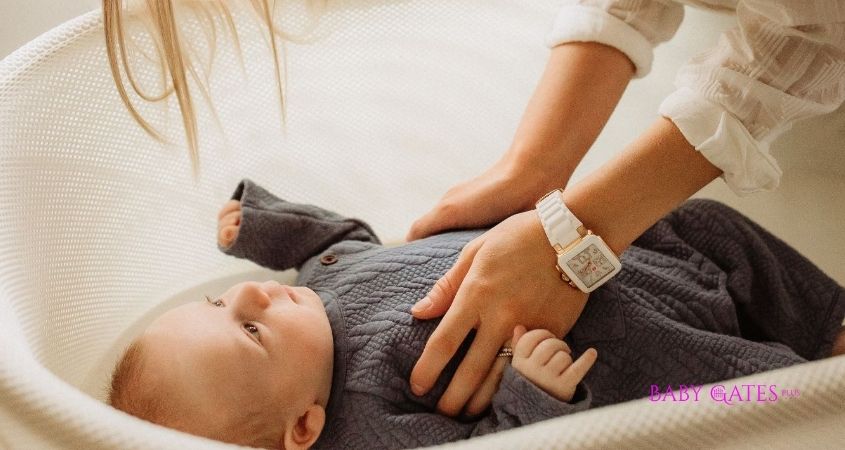
Use your voice and touch to soothe your baby. Hold your baby close and speak softly to calm them. Gentle pats or a slow back rub can help. These actions build trust and comfort. Babies learn to feel secure without the pacifier in these moments.
Creating a soothing routine helps your baby feel safe and calm. It makes the weaning process easier. Babies love knowing what to expect. A gentle routine replaces the pacifier with other comforting habits. Start with small changes. Keep the routine simple and consistent. This helps your baby adjust without stress.
Establishing Consistent Sleep Habits
Set a regular bedtime and nap schedule. Babies sleep better with routine. Use the same steps every time. Dim the lights and lower noise. This signals your baby that it is time to rest. Avoid sudden changes. Consistent sleep habits help soothe without a pacifier.
Using Soft Touch And Voice
Hold your baby gently and speak softly. Your calm voice comforts and reassures. Soft stroking on the back or head helps calm fussiness. These actions replace the pacifier’s soothing effect. Your presence becomes the new comfort. This builds trust and eases your baby’s emotions.
Introducing Favorite Toys
Offer a soft toy or blanket your baby likes. These items provide comfort and security. Choose toys that are safe and easy to hold. Let your baby cuddle or play quietly. Favorite toys become a new source of calm. They help your baby feel less dependent on the pacifier.
Handling Challenges
Weaning a baby off a pacifier at 3 months can be tough. Babies rely on pacifiers for comfort and soothing. Removing this habit may cause some challenges. Understanding these challenges helps parents stay calm and supportive. This section covers common issues and easy ways to handle them.
Dealing With Fussiness
Babies may become fussy when the pacifier is taken away. Fussiness is a normal reaction to change. Offer extra cuddles and gentle rocking instead. Try soothing with a soft voice or lullaby. Keep hands busy with a small toy or blanket. Comfort helps your baby feel safe during this transition.
Managing Nighttime Wake-ups
Nighttime can be harder without a pacifier. Babies may wake more often and cry out. Avoid giving the pacifier back right away. Use gentle pats or soft shushing sounds to calm your baby. Keep the room dark and quiet to encourage sleep. Over time, the baby learns to settle without it.
Staying Patient And Consistent
Patience is key when weaning off a pacifier. Consistency helps your baby understand the new routine. Stick to your plan even if it feels hard. Avoid giving in to fussiness by offering the pacifier. Celebrate small successes and keep trying each day. Your calm and steady approach helps your baby adjust.
Tips For Parents
Weaning a baby off a pacifier at 3 months can be challenging. Parents need patience and clear plans. Small steps help both baby and parents adjust. Staying calm and consistent makes the process easier.
Here are some helpful tips for parents starting this journey.
Setting Realistic Expectations
Babies react differently to weaning. Some might give up the pacifier quickly. Others may take weeks or longer. Expect some fussiness or crying. This is normal and shows your baby’s adjustment. Don’t expect perfect behavior right away. Patience is key for success.
Enlisting Support
Ask for help from family members or caregivers. Everyone should follow the same plan. This avoids confusion for your baby. Support from others also gives you breaks. Sharing the task reduces stress for parents. Teamwork helps keep the routine steady.
Celebrating Small Wins
Notice even tiny progress each day. Did your baby go an hour without the pacifier? Celebrate that! Small wins build confidence for you and your baby. Praise yourself for sticking to the plan. Positive feelings encourage continued effort. Every step forward matters.
When Is The Best Time To Wean A Baby Off A Pacifier?
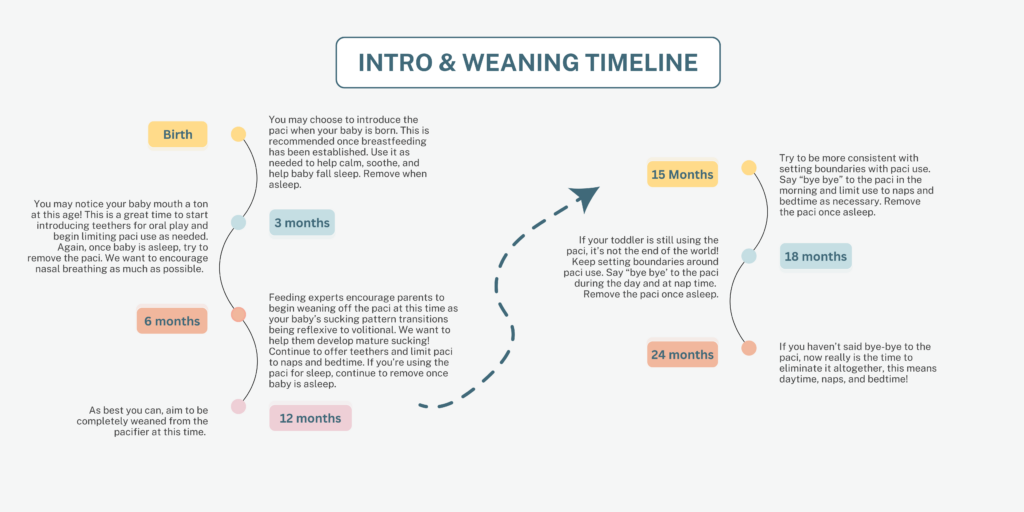
The best time to wean a baby off a pacifier is around 3 to 6 months. At 3 months, babies start to develop better self-soothing skills. Starting early helps prevent pacifier dependency and supports healthy oral development.
How Can I Gently Wean My 3-month-old From A Pacifier?
Gently reduce pacifier use by limiting it to nap and bedtime. Offer comfort with cuddles or a soft toy instead. Gradually replace the pacifier to help your baby adjust without distress.
What Are Signs My Baby Is Ready To Stop Using A Pacifier?
Signs include decreased interest in the pacifier and better self-soothing abilities. If your baby starts to fall asleep without it, they may be ready to wean. Watch for these cues to time the process well.
Can Weaning Off A Pacifier Affect My Baby’s Sleep?
Initially, weaning might disrupt sleep as the baby adjusts. Using consistent bedtime routines and extra soothing helps ease this transition. Most babies adapt quickly and regain regular sleep patterns.
Conclusion
Weaning your baby off the pacifier at three months takes patience and care. Keep the process slow and gentle to avoid stress. Offer comfort in other ways, like cuddles or a soft toy. Remember, every baby is different and may need extra time.
Stay calm and positive during this change. Your baby will adapt and grow without the pacifier soon. Celebrate small progress and trust your parenting instincts. This step helps your baby develop new habits and independence.