Are you looking for simple and fun ways to get your child moving and enjoying active play? Keeping kids engaged in physical activities isn’t always easy, especially with screens everywhere.
But don’t worry—there are plenty of creative ideas that can turn playtime into an exciting adventure. You’ll discover 10 easy ways to spark your child’s energy and imagination while helping them stay healthy and happy. Ready to see your child smile, laugh, and play like never before?
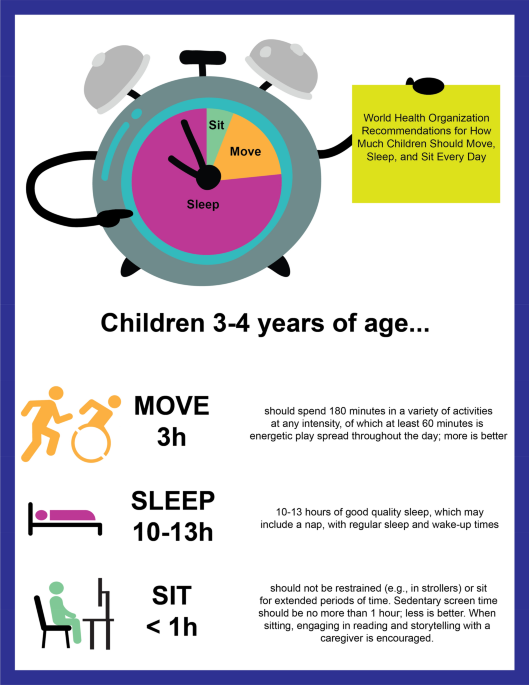
Active play is vital for a child’s growth and happiness. It helps children build strength, learn new skills, and enjoy their time outdoors. Active play also supports mental health and social skills. Kids who move more tend to focus better and feel happier. Encouraging active play creates a healthy habit for life.
Physical Health Benefits
Active play improves a child’s fitness and muscle strength. It helps develop coordination and balance. Regular movement reduces the risk of childhood obesity. Playing outside also promotes better sleep and stronger bones.
Mental And Emotional Growth
Active play boosts brain function and creativity. It helps children manage stress and emotions. Moving and playing can increase happiness and reduce anxiety. Kids learn to solve problems and think quickly.
Social Skills Development
Playing actively with others teaches sharing and teamwork. Children learn to communicate and cooperate. They build friendships and understand rules better. Group play helps develop empathy and respect for others.
Improved Focus And Learning
Physical activity can increase attention span in school. Kids return to tasks feeling refreshed and ready. Active play encourages curiosity and exploration. It supports better memory and problem-solving skills.
Outdoor Treasure Hunts
Outdoor treasure hunts turn playtime into an exciting adventure. Children explore and move while searching for hidden items. This activity encourages curiosity and physical activity at the same time.
Treasure hunts can be simple or more challenging. They fit well in parks, backyards, or any safe outdoor space. Kids enjoy the thrill of finding clues and rewards.
How To Set Up An Outdoor Treasure Hunt
Choose a safe outdoor area with enough hiding spots. Prepare a list of items to find or clues to follow. Use easy-to-understand hints for younger children. Hide objects in visible but slightly tricky places. Make sure all items are safe to pick up and carry.
Benefits Of Outdoor Treasure Hunts
Treasure hunts boost children’s problem-solving skills. They improve observation and attention to detail. Kids get fresh air and exercise while playing. The activity promotes teamwork if done in groups. It also builds confidence when children find hidden treasures.
Ideas For Treasure Hunt Themes
Nature theme: search for leaves, rocks, or flowers. Color hunt: find objects of different colors. Shape hunt: look for items shaped like circles or squares. Animal theme: spot toy animals or animal pictures. Seasonal themes work well too, like Easter or Halloween.
Tips To Keep Children Engaged
Use clues that match your child’s age and interests. Praise their efforts and celebrate each find. Change the hunt location to keep it fresh. Add small rewards to motivate participation. Join in the hunt to share the fun.
Diy Obstacle Courses
DIY obstacle courses make active play fun and creative for children. They offer a chance to move, jump, crawl, and balance. Kids enjoy the challenge and try new ways to complete the course. Parents can build courses with simple household items. This keeps kids busy and helps develop their physical skills.
Set Up Safe And Simple Obstacles
Use pillows, chairs, and ropes to create easy obstacles. Make sure the area is clear of sharp or dangerous items. Soft surfaces like grass or carpet work best. Design obstacles that fit your child’s age and skill level. Start with basic tasks like crawling under or stepping over objects.
Use Household Items Creatively
Turn everyday objects into fun obstacles. Jump over broomsticks or balance on a rolled-up towel. Use boxes to create tunnels or steps. This sparks imagination and encourages problem-solving. Kids learn to see common items in new ways.
Involve Your Child In Building
Ask your child to help design the course. Let them choose obstacles and where to place them. This makes the activity more exciting and personal. Kids feel proud of their creation and want to play more. It also builds teamwork and planning skills.
Change The Course Often
Switch obstacles to keep the game fresh. Rearrange items or add new challenges regularly. This keeps kids interested and motivated to play. New courses help develop different muscles and skills. It prevents boredom and encourages continuous movement.
Include Timed Challenges
Use a stopwatch to add a race element. Kids can try to beat their own times. This adds excitement and a goal to reach. Timed challenges improve speed and coordination. Celebrate improvements to boost confidence.
Dance and movement games bring fun and energy to active play. They help children use their bodies and express themselves. These games improve coordination, balance, and rhythm. Kids enjoy moving to music and following simple steps. These activities also boost mood and creativity.
Freeze Dance
Play music and let your child dance freely. When the music stops, they must freeze in place. This game sharpens listening skills and body control. It also encourages quick thinking and balance.
Follow The Leader
Take turns being the leader who moves and dances. The others copy the moves exactly. This game teaches observation and imitation. It also helps children learn new movements and stay active.
Animal Dance
Ask your child to move like different animals. They can hop like a frog or stomp like an elephant. This game sparks imagination and physical activity. It builds strength and flexibility in a playful way.
Musical Chairs With A Twist
Set up chairs in a circle for this classic game. When the music stops, children find a chair to sit. Add a movement challenge before sitting, like jumping or spinning. This keeps kids moving and makes the game more exciting.
Dance Ribbon Play
Give your child colorful ribbons to wave while dancing. They can swirl and twirl the ribbons to music. This activity improves hand-eye coordination and creativity. It also adds a visual element to movement games.
Ball Games For All Ages
Ball games are a simple way to get children moving and having fun. They work for toddlers, kids, and even teens. These games help develop coordination and teamwork.
You can play ball games indoors or outdoors, using different types of balls. Small soft balls are great for young children. Bigger balls suit older kids who want a challenge.
Catch And Throw
Start with a basic game of catch and throw. Use a soft ball for safety. This game improves hand-eye coordination. It also teaches children to focus and react quickly.
Kickball Fun
Kickball is easy and enjoyable for children of all ages. It mixes soccer and baseball rules. Kids learn to kick, run, and catch. This game builds endurance and speed.
Dribble And Shoot
Use a basketball or similar ball for dribbling practice. Children can learn to control the ball with their hands. Shooting at a hoop adds a goal to aim for. This game boosts concentration and precision.
Rolling Bowling
Set up pins or bottles for a simple bowling game. Children roll the ball to knock them down. This activity improves aim and balance. It is perfect for indoor play on rainy days.
Soccer Drills
Introduce basic soccer drills like passing and shooting. Use a soft soccer ball for safety. Drills help children learn teamwork and strategy. They also build leg strength and coordination.
Nature Walk Adventures
Nature walk adventures turn simple walks into exciting playtimes. They invite children to explore the outdoors, discover new things, and move actively. These walks create a fun way to learn about plants, animals, and the environment.
Children enjoy exploring trails, collecting leaves, and spotting birds. Nature walks offer fresh air and exercise. They also help kids develop curiosity and observation skills.
Choose A Safe Trail
Select a trail that matches your child’s age and ability. Look for flat paths with clear markings. Avoid busy or dangerous areas. Safety helps children feel confident and enjoy the walk.
Bring A Nature Checklist
Create a simple list of things to find, such as flowers, rocks, or insects. This makes the walk a fun treasure hunt. Kids stay engaged and excited to spot items on the list.
Use Magnifying Glasses
Give children magnifying glasses to examine plants and bugs closely. This tool makes small details big and interesting. It sparks curiosity and careful observation during the walk.
Encourage Storytelling
Ask your child to tell stories about what they see. Maybe a tree looks like a giant or a rock looks like a castle. Storytelling boosts imagination and makes the walk more fun.
Collect Natural Treasures
Let kids gather safe items like leaves, pine cones, or feathers. These treasures can be used later for crafts or learning. Collecting adds purpose and excitement to the walk.
Creative role-playing invites children to use their imagination and act out different characters. It helps them explore new ideas and express emotions. This type of play boosts social skills and physical activity.
Role-playing encourages kids to move around, use their bodies, and interact with others. It makes active play fun and meaningful. Here are some simple ways to engage your child in creative role-playing.
Dress-up Adventures
Provide costumes and props for your child to wear. Let them become a doctor, firefighter, or superhero. Dressing up sparks imagination and gets them moving.
Storytelling With Action
Create a story together where your child acts out the scenes. Use simple plots like exploring a jungle or running a store. This keeps them active and involved.
Role-playing Daily Tasks
Encourage your child to pretend to cook, clean, or shop. These activities involve walking, bending, and reaching. It also teaches useful life skills.
Animal Imitations
Ask your child to move and sound like different animals. They can hop like a frog or slither like a snake. This is fun and promotes physical activity.
Imaginative Obstacle Courses
Build a course where your child acts as a spy or explorer. Crawling, jumping, and balancing add excitement to role-playing. It also improves coordination.
Jump Rope Challenges
Jump rope challenges are a fun way to get kids moving and active. They help improve coordination and build stamina. Kids enjoy trying to beat their own records or compete with friends. This keeps them motivated and excited to play.
These challenges can be simple or more creative. They encourage children to focus and develop timing. Plus, jump roping is a great cardiovascular exercise. It helps kids stay healthy while having fun.
Set Timed Jump Rope Rounds
Use a timer to challenge your child to jump as many times as possible. Start with short rounds and increase the time gradually. This builds endurance and keeps the game interesting.
Try Double Dutch Jumping
Double Dutch uses two ropes turning in opposite directions. It requires teamwork and sharp timing. Kids learn to work together and improve their rhythm through this challenge.
Introduce Trick Jumps
Teach your child simple tricks like crossing arms or jumping on one foot. Tricks add variety and test balance and agility. Encourage creativity with new moves for more fun.
Create Jump Rope Relay Races
Organize races where kids jump rope then tag a teammate. This brings energy and excitement to the activity. Relays also build cooperation and friendly competition.
Use Music For Rhythm Challenges
Play music and have your child jump in time with the beat. This improves timing and makes jumping more enjoyable. Choose songs with clear, steady beats for best results.
Family Sports Time
Family sports time is a fun way to bring everyone together. It encourages kids to move, laugh, and learn new skills. Playing sports as a family builds strong bonds and healthy habits. It also shows children how to work as a team and enjoy physical activity.
Setting aside regular time for sports makes it a habit. Everyone feels included and excited to join. The variety of sports keeps it fresh and fun. Simple games can turn into lasting memories.
Choose Age-appropriate Sports
Select sports that fit your child’s age and skill level. Younger kids enjoy simple games like catch or kickball. Older kids may like basketball, soccer, or tennis. Tailoring activities helps children stay interested and confident.
Create A Fun And Safe Environment
Make sure the play area is safe for all family members. Use soft balls and clear space to avoid injuries. Encourage fair play and kindness. A safe space lets kids focus on fun and learning.
Set Clear But Flexible Rules
Explain simple rules everyone can follow. Keep rules flexible to suit different skill levels. Let kids suggest new rules sometimes. This approach keeps the game fair and enjoyable for all.
Celebrate Effort, Not Just Winning
Praise your child’s effort and teamwork. Focus on fun and improvement over scores. This builds confidence and encourages kids to keep playing. Celebrate small victories and good sportsmanship.
Rotate Sports To Keep Interest High
Try different sports each week or month. Variety prevents boredom and introduces new skills. Kids learn to adapt and enjoy different types of play. Rotate between running, throwing, kicking, and catching games.
Credit: www.epl.ca
Water Play Activities
Water play activities are a fun way to keep children active and curious. They help kids explore and learn through hands-on experiences. Water play also supports physical development and coordination.
Playing with water encourages creativity and problem-solving. It is a perfect activity for warm days but can be adapted for indoors too. Simple water games can entertain children for hours.
Fill And Pour
Give your child containers of different sizes. Let them fill and pour water from one to another. This activity improves hand-eye coordination and fine motor skills.
Water Balloon Toss
Fill balloons with water and toss them gently. This game enhances focus and timing. It also teaches children about cause and effect.
Floating And Sinking
Collect small objects and guess if they will float or sink. Test the objects in a water tub. This game introduces basic science concepts in a fun way.
Water Painting
Use a paintbrush dipped in water to “paint” on outdoor surfaces. Watch the designs appear and disappear as the water dries. This activity sparks creativity without any mess.
Ice Cube Play
Let children hold and move ice cubes in a bowl. They can watch the ice melt and feel the cold. This helps develop sensory awareness and patience.
Interactive Storytelling With Movement
Interactive storytelling with movement turns stories into active adventures. Children listen and act out the tale. This method blends imagination with physical play.
It helps kids develop both language and motor skills. Moving while listening keeps their attention high. They remember stories better and enjoy playtime more.
Choose Simple Stories With Clear Actions
Pick stories with easy, clear movements. For example, jumping like a frog or flying like a bird. Simple actions are easier to follow and fun to perform.
Use Props To Encourage Movement
Props like scarves or hats make stories vivid. Children use them to act out characters. Props add a tactile element to the play.
Pause To Let Children Imitate
Stop reading at key moments. Let children copy the actions you show. This pause encourages participation and keeps them active.
Encourage Creative Movement
Invite kids to invent their own motions. They might crawl like a bear or spin like a top. Creative movement boosts imagination and physical activity.
Repeat Favorite Stories Often
Repetition helps children learn and feel confident. They join in faster each time. Repeating stories strengthens memory and motor skills.
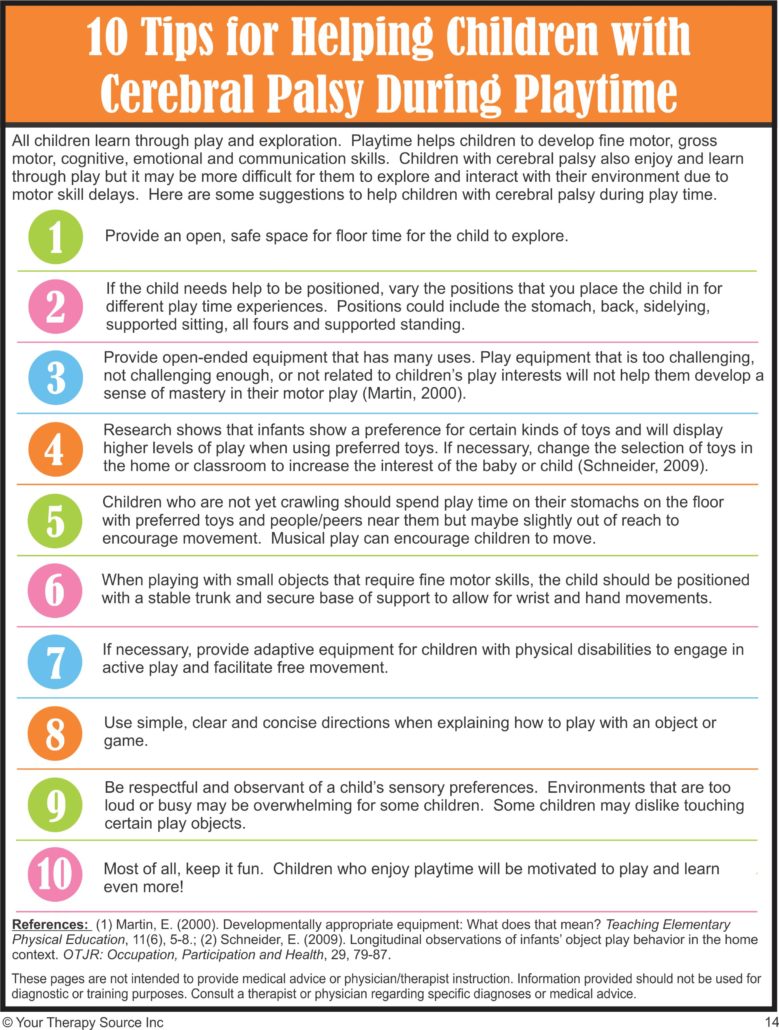
Credit: www.yourtherapysource.com
Frequently Asked Questions
What Are The Benefits Of Active Play For Children?
Active play improves physical health, boosts creativity, and enhances social skills. It also helps children develop coordination and confidence. Regular active play supports healthy growth and reduces screen time, encouraging a balanced lifestyle and better overall well-being.
How Can Parents Encourage Active Play Daily?
Parents can set a daily routine with outdoor games and physical activities. Joining in playtime motivates children and models active behavior. Providing safe play spaces and varied toys keeps children engaged and eager to move every day.
What Types Of Active Play Suit Different Age Groups?
Toddlers benefit from simple movements like crawling and dancing. Preschoolers enjoy running, jumping, and climbing. Older kids thrive with team sports, biking, and obstacle courses. Tailoring play to age ensures safety and promotes skill development.
How Does Active Play Improve A Child’s Social Skills?
Active play encourages teamwork, sharing, and communication among kids. Playing with peers teaches cooperation and conflict resolution. These social interactions build empathy and friendships, essential for emotional growth and social success.
Conclusion
Active play helps children grow strong and stay healthy. It also boosts their mood and focus. Try different activities to find what your child enjoys most. Make playtime fun and part of your daily routine. Small steps lead to big benefits in their development.
Keep encouraging movement and creativity every day. Watching your child smile during play is worth it. Stay patient and join in their games whenever you can. Active play builds happy, healthy kids ready to learn.