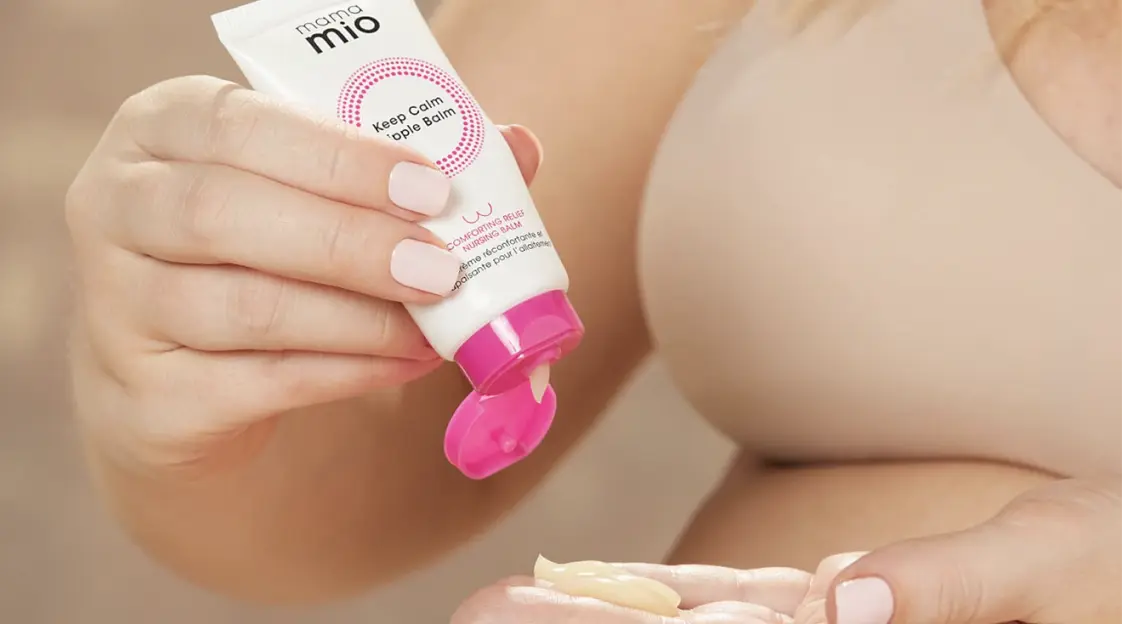
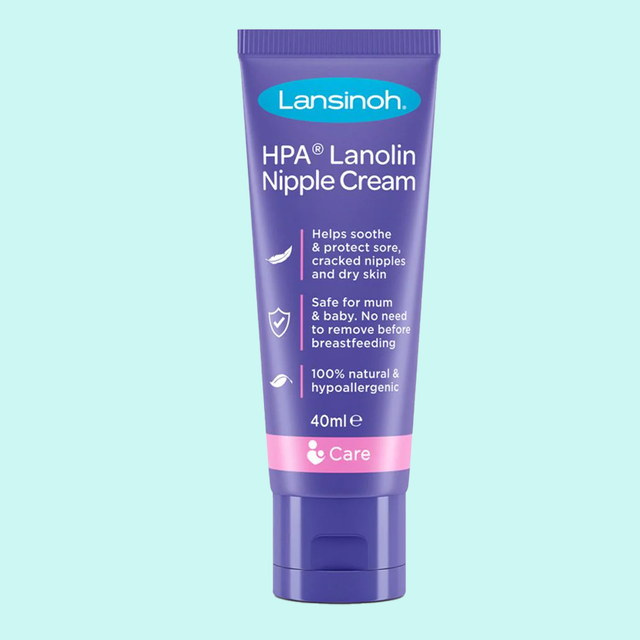
If you’re breastfeeding, you know how important it is to keep your nipples healthy and comfortable. Sore, cracked nipples can make feeding painful and stressful for both you and your baby.
That’s why choosing the best nipple cream is key to soothing irritation and speeding up healing. You’ll discover top creams that are safe, effective, and loved by moms just like you. Keep reading to find the perfect solution that will make breastfeeding a more comfortable and enjoyable experience.
Why Nipple Care Matters
Nipple care is important during breastfeeding. It helps avoid pain and discomfort. Healthy nipples make breastfeeding easier for both mother and baby.
Breastfeeding can sometimes cause soreness or cracks. Taking care of your nipples helps prevent these problems. Using a good nipple cream supports healing and keeps skin soft.
Common Breastfeeding Challenges
Sore nipples are common in the first weeks of breastfeeding. Cracks, redness, and swelling can happen. Babies may latch incorrectly, causing pain. Dry or chapped skin makes feeding uncomfortable. These issues can make mothers stop breastfeeding early.
Signs You Need Nipple Cream
Pain during or after feeding is a clear sign. Redness or small cracks on the nipple need care. Bleeding or raw skin shows the need for extra help. Dry, flaky skin also means your nipples need moisture. Using nipple cream at these signs helps healing.
Benefits Of Using Nipple Creams
Nipple creams soothe pain and reduce inflammation. They protect skin from dryness and cracking. Creams speed up healing by keeping skin moist. Many creams are safe for babies and do not need to be wiped off. Regular use makes breastfeeding more comfortable and easier.
Choosing the right nipple cream helps soothe and heal sore skin during breastfeeding. Knowing which ingredients work best makes a big difference. Some ingredients calm irritation, while others keep skin soft and moist. Safety matters for both mom and baby. Avoiding harmful additives protects health and comfort. These key ingredients ensure your nipple cream is effective and safe.
Natural Soothers And Moisturizers
Look for natural oils like coconut or olive oil. They soften skin and reduce dryness. Shea butter is a rich moisturizer that helps heal cracks. Aloe vera calms irritation and promotes healing. Lanolin is common for breastfeeding creams. It seals moisture and protects skin from damage. These natural ingredients provide gentle care without harsh effects.
Safe Ingredients For Baby
Choose creams with safe, non-toxic ingredients. Babies often lick nipples, so safety is key. Ingredients like vitamin E support skin repair without risk. Beeswax creates a protective barrier and is safe for babies. Avoid synthetic chemicals that may harm your baby. Using pure, simple ingredients keeps breastfeeding safe and comfortable.
Avoiding Harmful Additives
Steer clear of parabens, fragrances, and dyes. These can cause allergic reactions or irritation. Avoid petroleum-based products that trap bacteria. Artificial colors and scents may upset sensitive skin. Harsh chemicals can delay healing and harm baby. Choose creams that list all ingredients clearly. Pure and clean products help keep mom and baby healthy.
Top Nipple Creams For Breastfeeding Moms
Breastfeeding can be a wonderful experience, but sore nipples often cause discomfort. Choosing the right nipple cream helps ease pain and speeds healing. Many creams offer different benefits, from soothing relief to natural ingredients. This guide highlights top nipple creams trusted by moms worldwide. Each option supports healing and protects sensitive skin during breastfeeding.
Best Overall Nipple Creams
These creams offer effective relief and fast healing for most mothers. They contain ingredients like lanolin, which soothes cracked skin. Many are safe for babies, needing no removal before feeding. These creams balance moisture and protection, keeping nipples soft. Their gentle formulas work well even for sensitive skin. Trusted brands provide reliable comfort throughout breastfeeding.
Organic And Natural Options
Natural creams use plant-based ingredients to calm and heal. They avoid synthetic chemicals and fragrances that might irritate skin. Common components include shea butter, coconut oil, and calendula extract. These creams appeal to moms wanting pure, gentle care. They support skin repair without harsh additives. Perfect for those who prefer eco-friendly and organic products.
Budget-friendly Choices
Affordable creams can still provide strong relief and protection. Many drugstore brands offer quality formulas at lower prices. These options often contain lanolin or natural oils. Ideal for moms who want effective care without overspending. They deliver soothing benefits and quick healing. Good value does not mean lower quality.
Luxury And Specialty Creams
These creams include advanced ingredients for extra skin nourishment. They may combine vitamins, antioxidants, and unique oils. Often packaged in elegant containers for a premium feel. Some offer additional uses beyond nipple care, like lip or skin balm. Suitable for moms seeking a special treat during breastfeeding. These creams provide rich moisture and lasting comfort.
Applying nipple cream correctly helps soothe and heal sensitive skin. Proper use boosts comfort during breastfeeding. Follow these simple steps to get the best results from your nipple cream.
Proper Cleaning Before Application
Clean your nipples gently with warm water. Avoid soaps or harsh cleansers that dry the skin. Pat dry with a soft towel. Do not rub, as this can cause more irritation. Clean skin helps the cream absorb better and work faster.
When And How Often To Apply
Apply nipple cream after each feeding session. This helps protect and repair the skin. Use a small amount, just enough to cover the nipple and areola. Reapply whenever you feel dryness or discomfort. Consistency is key for fast relief.
Tips For Maximum Relief
Choose a cream that is safe for babies and does not need washing off. Let the cream air dry before putting on your nursing bra. Avoid tight clothing to prevent extra rubbing. Use breast pads only if needed, and change them often to keep skin dry.
Additional Tips For Nipple Care
Taking care of your nipples during breastfeeding is very important. Proper care helps reduce pain and prevents infections. Along with using the best nipple creams, there are other ways to protect your nipples and make breastfeeding easier.
Simple steps can keep your nipples healthy and comfortable. Here are some tips to help you care for your nipples while breastfeeding.
Breastfeeding Techniques To Reduce Pain
Proper latch is key to avoid nipple pain. Make sure your baby’s mouth covers more of the areola, not just the nipple. This reduces pressure and soreness. Try different breastfeeding positions to find what feels best. Keep your baby close and relaxed during feeding. Take breaks if you feel pain. Gently express a little milk before feeding to soften the nipple. This can make latching easier.
Using Breast Pads And Nursing Bras
Breast pads help keep nipples dry and clean. Change pads often to prevent moisture build-up. Wet pads can cause irritation and infections. Choose nursing bras that fit well and offer good support. Soft, breathable fabrics like cotton are best. Avoid bras with rough seams or underwires. These can rub and hurt your nipples. Proper clothing helps your skin stay healthy.
When To Seek Professional Help
Some nipple problems need expert care. If pain lasts more than a few days, see a lactation consultant. Cracks, bleeding, or pus are signs of infection. Seek medical advice quickly to avoid complications. A professional can check the baby’s latch and suggest solutions. Don’t wait if breastfeeding is painful or difficult. Early help improves comfort and success.
What Is The Best Nipple Cream For Breastfeeding Moms?
The best nipple cream is safe, natural, and soothing. Look for lanolin-based or organic creams that heal cracks and prevent irritation without harmful chemicals.
How Often Should Nipple Cream Be Applied During Breastfeeding?
Apply nipple cream after every feeding or as needed. Regular use helps heal soreness and keeps nipples moisturized, preventing further damage.
Can Nipple Creams Be Used While Breastfeeding Safely?
Yes, most nipple creams are safe during breastfeeding. Choose creams labeled as non-toxic and food-safe to ensure they won’t harm your baby.
How Long Does It Take For Nipple Cream To Heal Soreness?
Nipple creams usually relieve soreness within a few days. Consistent application and proper latch techniques speed up the healing process.
Conclusion
Choosing the right nipple cream helps make breastfeeding easier and less painful. These creams soothe and protect your skin gently. Keep your baby’s safety in mind when selecting products. Use creams that are safe to ingest and free from harsh chemicals.
Consistent care supports healing and comfort during feeding. Remember, healthy skin leads to a better breastfeeding experience. Take time to find what works best for you. Your comfort matters, and so does your baby’s health.