Creating a safe play area for your baby is one of the best ways to protect them while encouraging their curiosity and growth. You want a space where your little one can explore freely, without you constantly worrying about hidden dangers.
But how do you make sure every corner is secure? This guide will walk you through simple, practical steps to set up a safe play zone that gives you peace of mind and keeps your baby happy and healthy. Keep reading to discover easy tips you can start using today.
Choosing The Right Location
Choosing the right location for your baby’s play area is very important. It sets the foundation for a safe and fun space. The location should be comfortable, secure, and easy to monitor. This ensures your baby can play freely without risks. Here are key points to consider when selecting the spot.
Consider Room Size And Layout
Pick a room with enough space for your baby to move around. Avoid cramped areas. A spacious room allows safe crawling and playing. The layout should be simple and open. Remove obstacles that block movement. Clear floors help prevent trips and falls.
Check For Hazardous Areas
Scan the room for any dangers. Look for sharp corners, electrical outlets, and cords. Cover or move these hazards out of reach. Keep fragile items and small objects away. Make sure the floor is clean and dry. Avoid areas near heaters or windows that open.
Ensure Easy Supervision
Choose a location where you can watch your baby easily. The play area should be in a common room or near where you spend time. This helps you respond quickly if needed. Good lighting helps you see your baby clearly. Avoid spots that are hidden or hard to reach.
Selecting Safe Play Equipment
Selecting safe play equipment is key to creating a secure space for your baby. The right toys and gear support your baby’s growth and keep hazards away. Choosing wisely helps prevent accidents and keeps playtime fun.
Age-appropriate Toys
Select toys that fit your baby’s age and skills. Babies need simple toys with no small parts. Toys for older babies may have more features but must still be safe. Always check the age label on the packaging. This helps avoid choking risks and frustration.
Non-toxic Materials
Choose toys made from safe, non-toxic materials. Babies often put toys in their mouths. Materials like BPA-free plastic, untreated wood, and natural fabrics are good choices. Avoid toys with harmful chemicals or paint. This keeps your baby safe from poisons and allergies.
Sturdy And Stable Items
Pick toys and equipment that are strong and steady. Wobbly or fragile items can break or tip over easily. Look for thick plastic or solid wood construction. Check that parts are tightly attached and cannot come off. Sturdy items reduce the risk of injury during play.
Babyproofing The Space
Creating a safe play area starts with babyproofing the space. This step helps prevent accidents and keeps your baby secure. Simple changes can make a big difference in safety. Focus on common hazards that babies face at home.
Covering Electrical Outlets
Electrical outlets are dangerous for curious babies. Use outlet covers or plates to block access. These covers are easy to install and remove for adults. Make sure they fit tightly to prevent removal. Check outlets regularly for damage or loose covers.
Securing Sharp Edges
Sharp edges on furniture can hurt a baby. Use corner guards made of soft material. Attach them to tables, shelves, and other sharp surfaces. Choose guards that stay firmly in place. Replace any damaged guards quickly to keep protection strong.
Installing Safety Gates
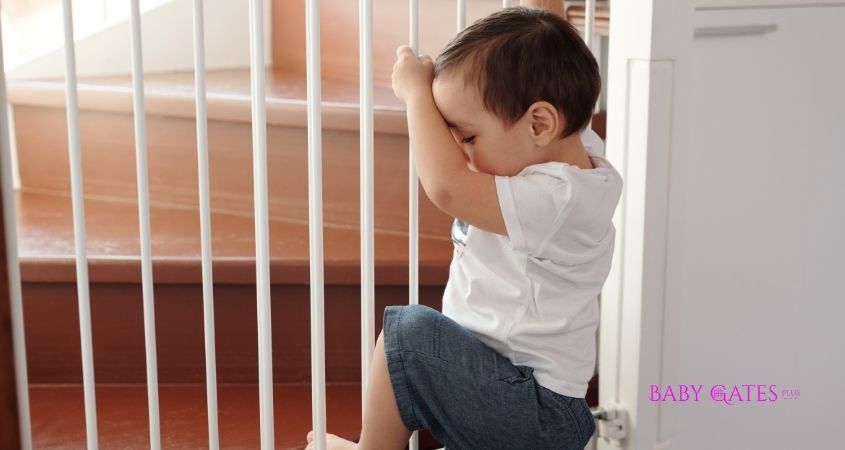
Safety gates create barriers around stairs and rooms. Choose gates that fit your doorways or staircases well. Install gates securely and follow manufacturer instructions. Check gates often to ensure they latch properly. This stops your baby from accessing unsafe areas.
Maintaining Cleanliness And Hygiene
Keeping your baby’s play area clean and hygienic is very important. Babies explore the world by touching and putting things in their mouth. Dirt and germs can make them sick. A clean space helps your baby stay healthy and happy. It also makes playtime safe and fun.
Focus on cleaning toys, play surfaces, and managing pets around the play area. These steps reduce germs and keep the space fresh.
Regular Toy Cleaning
Clean your baby’s toys often. Use warm water and mild soap to wash them. Soft cloths or brushes work well for scrubbing. Rinse toys well to remove soap. Let them dry completely before giving them back to your baby. Clean toys stop germs from spreading.
Sanitizing Play Surfaces
Wipe down floors, mats, and tables where your baby plays. Use a gentle disinfectant safe for children. Avoid strong chemicals that can irritate your baby’s skin or lungs. Clean surfaces daily or after spills. This keeps germs away and makes the area safe.
Managing Pet Access
Limit pets’ access to the baby’s play area. Pets carry dirt and germs on their fur and paws. Keep pets out of the space or supervise them closely. Clean your pets regularly to reduce germs. This helps keep your baby’s area clean and safe.
Creating Comfort And Accessibility
Creating comfort and accessibility in your baby’s play area helps them explore safely. It also supports their growth and playtime joy. A well-set space invites your baby to move and learn freely. Comfort keeps your baby happy, while accessibility lets them reach toys and essentials easily.
Adding Soft Flooring
Soft flooring cushions falls and protects your baby’s head and body. Use foam mats or thick rugs to cover hard floors. Choose materials that are easy to clean and non-toxic. Soft floors invite crawling and sitting without discomfort. This helps your baby feel secure and explore confidently.
Organizing Toys For Easy Reach
Place toys within your baby’s reach to encourage play and learning. Use low shelves or baskets for easy access. Rotate toys to keep interest high and avoid clutter. Organizing toys this way builds independence and curiosity. It also keeps the area tidy and safe.
Providing Adequate Lighting
Good lighting makes the play area bright and inviting. Natural light is best, so place the area near a window if possible. Use soft, warm lights during evening playtimes. Avoid harsh or flickering lights that may upset your baby. Proper lighting helps your baby see toys and surroundings clearly.
Frequently Asked Questions
How Do I Choose A Safe Play Area For My Baby?
Select a play area free from sharp edges and choking hazards. Ensure it is well-lit, spacious, and away from stairs or busy rooms. Use baby gates if needed and choose soft flooring like foam mats for extra safety.
What Materials Are Best For Baby Play Area Flooring?
Soft, non-toxic, and easy-to-clean materials like foam mats or rubber tiles are ideal. They cushion falls, prevent slips, and provide a comfortable surface. Avoid hard floors or rugs that can cause tripping or harbor allergens.
How Can I Baby-proof The Play Area Effectively?
Cover electrical outlets, secure furniture to walls, and remove small objects. Use corner guards on furniture and keep cords out of reach. Regularly inspect the area for hazards and maintain cleanliness to ensure safety.
When Should I Supervise My Baby In The Play Area?
Always supervise your baby during playtime, especially when they are learning to crawl or walk. Close supervision prevents accidents and ensures quick response if a hazard arises. Never leave a baby unattended in the play area.
Conclusion
Creating a safe play area helps your baby explore with confidence. Use soft mats and remove sharp objects nearby. Keep small items out of reach to avoid choking hazards. Check toys regularly for broken parts or loose pieces. Supervise your baby while playing to ensure safety.
A well-set play space supports your baby’s growth and happiness. Small efforts make a big difference in your child’s safety. Enjoy watching your baby learn and play in a secure spot. Safety first, always.