Keeping your baby safe is your top priority, but every room in your house has its own hidden dangers. You might think some spaces are safe, but even the smallest details can put your little one at risk.
This guide will help you spot those risks and show you exactly how to make every room a safe place for your baby to explore and grow. By the time you finish reading, you’ll feel confident and ready to protect your child from common hazards you might not even realize are there.
Let’s get started on making your home a safer haven for your baby.
Living Room Safety Tips
The living room is a busy spot in most homes. Babies love to explore here, so safety is key. Small details can protect your child from common risks. Follow these tips to create a safe space for play and rest.
Securing Furniture And Appliances
Keep heavy furniture steady to avoid tipping. Use wall anchors for bookshelves and cabinets. Lock appliance doors and covers. Prevent access to TVs and heaters. Move small furniture away from windows.
Managing Cords And Cables
Hide cords behind furniture or use covers. Tie up loose cables to keep them out of reach. Use outlet covers to stop shocks. Avoid letting cords hang where babies can grab. Check regularly for frayed or damaged cords.
Choosing Safe Toys And Play Areas
Pick toys without small parts or sharp edges. Choose soft, washable toys for easy cleaning. Create a play zone with soft mats or rugs. Keep choking hazards out of reach. Regularly check toys for wear and tear.
Kitchen Safety Measures
The kitchen is a busy place full of dangers for babies. Sharp objects, hot surfaces, and small items create many risks. Taking safety steps protects your child from common kitchen accidents. A safe kitchen means peace of mind for parents and a secure space for little ones.
Childproofing Cabinets And Drawers
Cabinets and drawers often hold dangerous items. Use childproof locks to keep these areas closed. Choose locks that are strong but easy for adults to open. Store knives, cleaning supplies, and small objects out of reach. This simple step stops curious hands from grabbing harmful things.
Keeping Hazardous Items Out Of Reach
Place all hazardous items high on shelves or in locked cupboards. Chemicals, medicines, and sharp tools must never be left where babies can reach. Use safety latches on appliances like ovens and dishwashers. Keep cords from small appliances tucked away to avoid pulling accidents.
Safe Meal Preparation Practices
Always prepare food on a clean, secure surface. Keep hot drinks and pots away from edges. Use back burners on the stove and turn pot handles inward. Do not hold your baby while cooking or carrying hot foods. These habits reduce burns and spills in the kitchen.
Bedroom Safety Essentials
Creating a safe bedroom for your baby is very important. This space should protect your child from common dangers. Simple steps can make the room secure and comfortable. Safety in the bedroom helps your baby sleep soundly and grow well.
Focus on key areas like the crib, falls, and bedding. Each part needs careful attention to keep your baby safe.
Crib Safety Standards
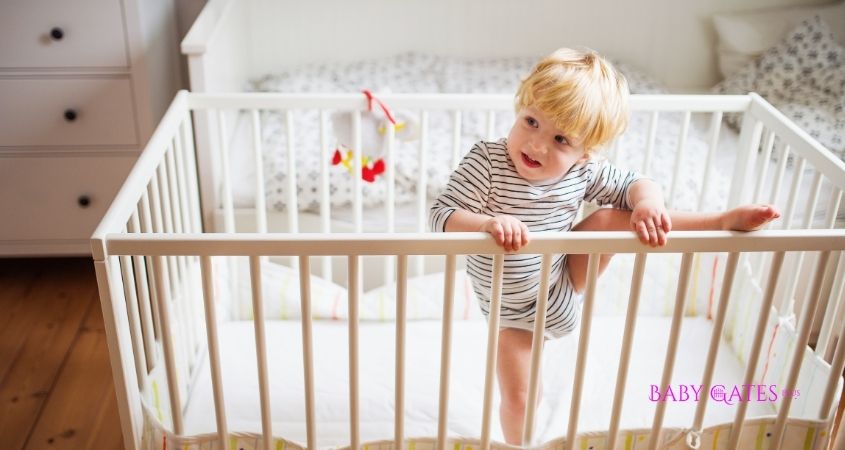
Choose a crib that meets current safety rules. Look for strong slats that are close together. The mattress should fit snugly with no gaps. Avoid drop-side cribs as they can be risky. Make sure the crib is free of loose parts.
Preventing Falls And Injuries
Keep the crib away from windows and furniture. Babies can climb and fall if they reach unsafe spots. Use guardrails on beds once your baby starts to move. Remove sharp or hard objects near the sleeping area. Always supervise your child during playtime.
Safe Bedding And Sleep Environment
Use a firm mattress with a fitted sheet only. Avoid pillows, blankets, and toys in the crib. These items can cause suffocation. Dress your baby in suitable sleepwear to keep warm. Maintain a comfortable room temperature to prevent overheating.
Bathroom Safety Precautions
The bathroom can be one of the most dangerous places for babies. Many hazards hide behind the bathroom door. Careful steps must be taken to keep your little one safe. This guide covers key safety tips for every bathroom.
Preventing Drowning Risks
Babies can drown in just a few inches of water. Never leave your baby alone in the bathtub. Always stay within arm’s reach during bath time. Empty the tub immediately after use. Keep toilet lids closed and use childproof locks. These small actions prevent tragic accidents.
Securing Toiletries And Chemicals
Many bathroom products can harm babies if swallowed. Store all toiletries and cleaning supplies out of reach. Use high cabinets or locked storage boxes. Avoid leaving bottles or tubes on counters. Check labels for harmful ingredients and avoid strong chemicals. Safety locks on cabinets add extra protection.
Slip-resistant Surfaces
Wet bathroom floors are slippery and risky for babies learning to walk. Place non-slip mats inside and outside the tub. Use rubber-backed rugs to prevent slipping. Keep floors dry by wiping spills quickly. These measures reduce falls and injuries effectively.
Nursery Safety Features
The nursery is a special place for your baby. Safety here is very important. This room needs extra care to keep your child safe and comfortable. Every item and detail should support your baby’s well-being.
Focus on furniture, air quality, and monitoring tools. These features help create a secure nursery environment. Thoughtful choices prevent accidents and promote healthy growth.
Safe Furniture Choices
Choose cribs that meet current safety standards. Avoid drop-side rails, as they can be dangerous. Use firm mattresses that fit the crib tightly. Keep furniture edges rounded to prevent injuries.
Secure heavy furniture to the wall to stop tipping. Avoid placing shelves or heavy items above the crib. Use non-toxic paint and finishes on all furniture. Keep small parts or decorations out of reach.
Maintaining Air Quality
Good air quality supports your baby’s breathing. Use an air purifier to reduce dust and allergens. Keep the room well-ventilated by opening windows safely. Avoid strong scents or sprays that can irritate the baby.
Keep the nursery clean by vacuuming regularly. Remove any mold or dampness quickly. Avoid smoking near the nursery or inside the house. Use a humidifier if the air becomes too dry.
Monitoring Devices And Alarms
Baby monitors help you watch your child from another room. Choose monitors with clear audio and video quality. Use devices with secure connections to protect privacy. Install smoke and carbon monoxide alarms near the nursery.
Test alarms regularly to ensure they work. Place alarms where you can hear them easily. Use night lights to help check on your baby safely. These tools give peace of mind and quick alerts for emergencies.
Staircase And Hallway Safety
Staircases and hallways can be risky spots for babies. These areas need special care to keep your child safe. Small steps and sharp corners can cause falls and injuries. Making these spaces safe helps you avoid accidents at home.
Installing Baby Gates
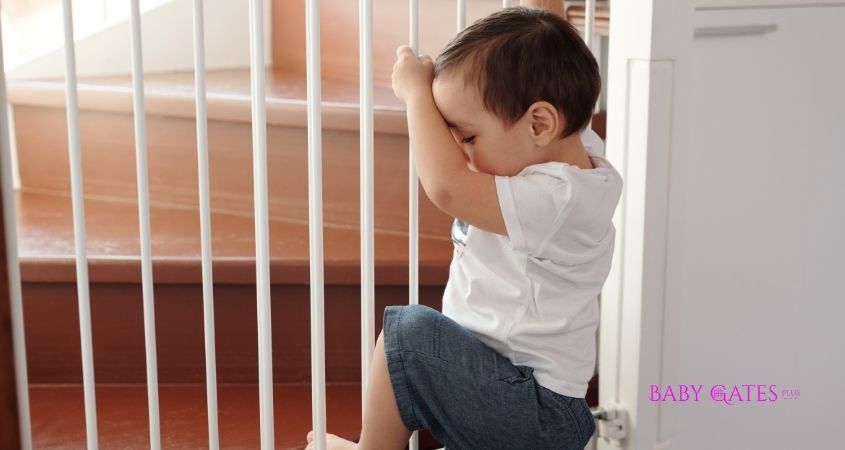
Baby gates block stairs and hallways. They stop babies from going to unsafe places. Choose gates that are tall and strong. Secure them tightly to walls or banisters. Check the gates often to make sure they stay closed.
Clearing Pathways
Keep hallways clear of toys, shoes, and clutter. Babies can trip on objects left on the floor. Make sure rugs lie flat without folds. A clear path helps your baby move safely and freely.
Lighting And Visibility
Good lighting is key in staircases and hallways. Bright lights help you see your baby and watch their steps. Use nightlights for dim areas during sleep time. Proper light prevents falls and makes the space safer.
Outdoor Area Safety
Outdoor areas offer great fun for babies but also bring many risks. Careful safety measures keep playtime safe and happy. Every corner outside needs attention to protect your little one.
Supervising Play Spaces
Always watch your baby closely while outside. Babies explore fast and do not understand danger. Keep them within arm’s reach. Check the play area for hazards like sharp objects or water. Clean up toys and debris after play. A safe space prevents accidents and injuries.
Securing Fences And Gates
Strong fences keep babies from wandering off. Check fences regularly for gaps or loose parts. Gates should close and lock automatically. Use childproof locks to stop little hands from opening them. Fences also keep animals and strangers away. A secure outdoor boundary protects your child.
Safe Gardening Practices
Gardens can hide dangers like toxic plants and tools. Remove harmful plants and replace them with safe ones. Store gardening tools out of reach. Use natural, non-toxic pest control methods. Avoid chemicals and fertilizers where babies play. Teach children not to eat plants or soil. Safe gardening keeps your baby healthy and curious.
General Baby Safety Tips
Keeping your baby safe in every room is a top priority. General baby safety tips help create a secure home. These tips protect your child and give you peace of mind. Simple steps can prevent many accidents and injuries.
Emergency Preparedness
Prepare for emergencies before they happen. Keep a list of emergency phone numbers near every phone. Have a first-aid kit in an easy-to-reach spot. Know the basics of infant CPR and first aid. Make sure smoke and carbon monoxide detectors work well. Plan how to leave your home quickly with your baby.
Regular Safety Checks
Check your home regularly for new hazards. Look for small objects on the floor that a baby could swallow. Make sure furniture is stable and won’t tip over. Secure cords from blinds and curtains out of reach. Test locks on cabinets and doors often. Replace batteries in smoke detectors every six months.
Teaching Safety Habits Early
Start teaching your baby safe habits early. Use simple words to explain what is safe and what is not. Show your baby how to play safely with toys. Encourage gentle touching and careful movement. Praise your child when they follow safety rules. Building these habits early keeps your baby safe as they grow.
Frequently Asked Questions
How Can I Baby-proof The Living Room Effectively?
To baby-proof the living room, cover electrical outlets, secure furniture to walls, and remove sharp objects. Use corner protectors on tables and keep cords out of reach to ensure safety.
What Are The Best Safety Tips For The Kitchen?
Keep knives, cleaning supplies, and hot items out of reach. Use stove knob covers and secure cabinets with child locks to prevent accidents.
How Do I Make The Bathroom Safe For Babies?
Install non-slip mats, keep medications locked away, and always supervise during bath time. Use faucet covers and set the water heater below 120°F.
What Baby Safety Measures Are Needed In The Bedroom?
Use cribs that meet safety standards and keep bedding minimal. Avoid placing toys or pillows inside the crib to reduce suffocation risks.
Conclusion
Keeping your baby safe at home takes careful attention in every room. Small changes can prevent many accidents. Use safety gates, cover outlets, and lock cabinets. Always watch your baby closely, especially in the kitchen and bathroom. Regularly check toys and furniture for hazards.
Safety is a daily job, not a one-time task. Staying alert helps create a secure space for your child. Your effort makes the home a safer place to grow and explore.