Your home should be the safest place for your baby, but hidden dangers could put them at risk without you even realizing it. From everyday items to small details you might overlook, common household hazards can cause serious harm to your little one.
Knowing what to watch out for can protect your baby and give you peace of mind. Keep reading to discover the most frequent dangers in your home and simple steps you can take right now to keep your baby safe.
Poisonous Substances
Babies explore their world by touching and tasting everything. Poisonous substances in the home pose serious risks to their health. These dangers often hide in plain sight, making vigilance crucial. Knowing where these hazards lie helps keep babies safe and healthy.
Cleaning Products
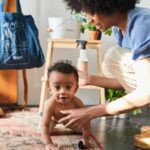
Many cleaning products contain harsh chemicals. These can cause burns, poisoning, or breathing problems. Store all cleaners out of reach and in locked cabinets. Avoid using strong chemicals near babies. Choose natural or baby-safe cleaning options when possible.
Medications
Medicines look like candy to curious babies. Even small amounts can cause severe harm. Keep all medications, including vitamins, locked away. Never leave pills or bottles where babies can grab them. Dispose of expired or unused drugs safely and promptly.
Plants And Chemicals
Some common houseplants are toxic to babies. Chemicals like fertilizers and pesticides also pose dangers. Learn which plants are safe and remove toxic ones. Store all chemicals in secure, childproof containers. Always supervise babies around plants and garden supplies.
Choking Risks
Choking is a serious risk for babies. Their small airways can block easily. Babies explore the world by putting things in their mouths. This behavior increases the risk of choking on small items. Parents must watch carefully and remove hazards quickly.
Small Toys And Objects
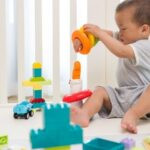
Small toys and parts can fit into a baby’s mouth. Items like buttons, coins, and beads are especially dangerous. Babies may choke if these objects get stuck in their throat. Keep tiny toys out of reach. Regularly check toys for broken pieces that could be swallowed.
Food Hazards
Some foods pose a choking risk for babies. Hard, round, or sticky foods can block airways. Whole grapes, nuts, popcorn, and raw carrots are common hazards. Cut food into small, soft pieces before offering. Always supervise babies during meal times.
Household Items
Household items like pen caps, small batteries, and jewelry can cause choking. Babies often find these items on the floor or tables. Store hazardous items in locked cabinets or high shelves. Clean floors regularly to remove tiny objects.
Falls And Injuries
Falls cause many injuries in babies at home. Babies learn to crawl and walk quickly. They explore everything, but they do not know danger. Parents must watch closely and make the home safe. Small falls can lead to big problems. Understanding common fall hazards helps protect babies.
Stairs And Windows
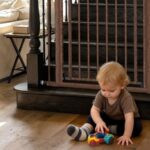
Stairs pose a high risk for baby falls. Babies can trip or slip down stairs. Install safety gates at top and bottom of stairs. Keep windows locked or use window guards. Babies can fall out of open windows. Always keep windows closed or secured.
Furniture Hazards
Sharp edges on furniture can hurt babies. Corners of tables and shelves cause cuts or bruises. Use corner protectors on all sharp edges. Avoid placing heavy items on furniture babies can pull. Babies may pull furniture and cause it to fall.
Slippery Surfaces
Slippery floors increase the risk of falls. Wet tiles or hardwood floors can be dangerous. Use non-slip mats in bathrooms and kitchens. Clean up spills immediately to avoid accidents. Bare feet on slippery surfaces can lose balance easily.
Burn And Scald Dangers
Burns and scalds are common dangers for babies at home. Their skin is very delicate and can get hurt easily. Many household items can cause burns without warning. Knowing these risks helps keep babies safe.
Hot Liquids And Foods
Hot drinks like coffee or tea can spill quickly. Babies might pull tablecloths or cups. Hot food left near edges is risky. Always keep hot items out of reach. Use backs of stove burners to cook safely.
Electrical Appliances
Appliances like irons or kettles get very hot. Babies may touch cords or hot surfaces. Unplug devices after use. Store appliances away from baby’s play areas. Use outlet covers to prevent shocks and burns.
Open Flames
Candles, fireplaces, and stoves have open flames. Babies are curious and may reach out. Never leave flames unattended. Use barriers around fireplaces. Keep matches and lighters locked away.
Suffocation And Strangulation
Suffocation and strangulation pose serious risks to babies. They can happen quickly and without warning. Babies breathe differently and cannot move away from danger. Careful attention to common household items can prevent these accidents.
Bedding And Soft Toys
Soft bedding and toys can block a baby’s airway. Pillows, blankets, and stuffed animals are risky in cribs. Babies may not have strength to move their heads. Keep cribs clear of loose items to reduce risk. Use a firm mattress with a tight-fitting sheet only.
Cords And Strings
Cords from blinds, curtains, and devices are hazardous. Babies can get tangled or wrapped in cords. This can cause strangulation or choking. Keep all cords out of reach or use cord winders. Never place cribs or play areas near cords.
Plastic Bags
Plastic bags can cover a baby’s face and block air. Babies may accidentally pull bags over their heads. Store plastic bags safely and away from play areas. Use alternatives like reusable cloth bags instead. Always supervise babies around any plastic material.
Electrical Hazards
Electrical hazards pose serious risks to babies at home. Babies explore by touching and putting things in their mouths. This makes electrical dangers especially harmful for them. Parents must be aware of common electrical risks and take steps to prevent accidents. Below are key household electrical hazards that can harm babies.
Exposed Outlets
Exposed outlets invite curious babies to stick fingers or objects inside. This can cause electric shock or burns. Cover all unused outlets with safety plugs. Use outlet covers designed to resist easy removal. This keeps babies safe from accidental shocks.
Loose Wires
Loose wires can be very dangerous. Babies may pull, chew, or trip over them. This can lead to electric shock or serious injury. Secure all wires out of reach. Use cord organizers or clips to keep wires tidy and hidden.
Electrical Devices
Electrical devices like lamps, chargers, and appliances can be risky. Babies might grab or tip them over. Keep devices unplugged and out of reach when not in use. Always supervise babies near plugged-in devices. This reduces the chance of accidents or burns.
Water Safety
Water can be very dangerous for babies. Even a small amount of water can cause accidents. Parents need to be alert and careful around any water source at home. Babies can drown quickly and silently. Water safety should be a top priority in every household with infants.
Bathtubs And Pools
Babies can slip or fall in bathtubs easily. Never leave a baby alone in the tub, not even for a second. Always keep one hand on the baby while bathing. Pools are even more dangerous. Use fences or covers to block access to pools. Teach older children about water safety around babies.
Buckets And Containers
Buckets with water may seem harmless but are risky. Babies can fall headfirst into buckets and drown. Empty buckets and containers immediately after use. Store them upside down so water cannot collect. Check any container that can hold water before leaving babies nearby.
Supervision Tips
Constant supervision is the best way to keep babies safe. Stay within arm’s reach near any water source. Avoid distractions like phones or chores during bath time. Use safety devices like baby bath seats carefully. Always prepare everything before bringing the baby near water.
Air Quality And Allergens
Good air quality is very important for babies. Their lungs and immune systems are still growing. Poor air quality can cause breathing problems and allergies. Many common household things affect the air your baby breathes. Knowing these hazards helps protect your little one.
Smoke And Fumes
Smoke from cigarettes harms babies a lot. It can cause asthma and sudden infant death syndrome. Fumes from cleaning products and paints also irritate baby lungs. Always use these products in well-ventilated areas or outside. Avoid smoking inside the house to keep air clean.
Mold And Dust
Mold grows in damp places like bathrooms and basements. It releases spores that cause allergies and breathing issues. Dust contains tiny particles that irritate baby noses and throats. Clean regularly and fix leaks fast to stop mold. Use a vacuum with a HEPA filter to reduce dust.
Pet Dander
Pet dander are tiny flakes from animal skin and fur. It can trigger allergies and asthma in babies. Keep pets out of the baby’s room to lower exposure. Brush and bathe pets often to reduce dander. Clean floors and furniture where pets rest regularly.
Frequently Asked Questions
What Are Common Household Hazards For Babies?
Common household hazards include sharp objects, choking hazards, electrical outlets, toxic plants, and cleaning chemicals. Babies are curious and may put unsafe items in their mouths. It’s important to baby-proof your home to prevent accidents and keep your little one safe.
How Can I Baby-proof My Home Effectively?
To baby-proof, cover electrical outlets, secure furniture, lock cabinets, and remove small objects. Use safety gates to block stairs and keep cleaning supplies out of reach. Regularly check for hazards and keep dangerous items well out of your baby’s reach.
Which Household Items Pose Choking Risks For Babies?
Small toys, coins, button batteries, and food like nuts or grapes pose choking risks. Babies explore by putting things in their mouths. Always supervise them during play and meals to prevent choking incidents.
Are Household Cleaning Products Dangerous To Babies?
Yes, many cleaning products contain toxic chemicals that can harm babies if ingested or inhaled. Store all cleaners in locked cabinets and use baby-safe alternatives whenever possible. Always keep these products out of your baby’s reach.
Conclusion
Babies explore everything with their hands and mouths. Hazards at home can cause serious harm quickly. Keep dangerous items out of their reach always. Check your home often for new risks. Use safety gates, locks, and covers to protect them.
Staying alert helps create a safe space for your child. Small efforts prevent big accidents. Your care makes a big difference in their safety.