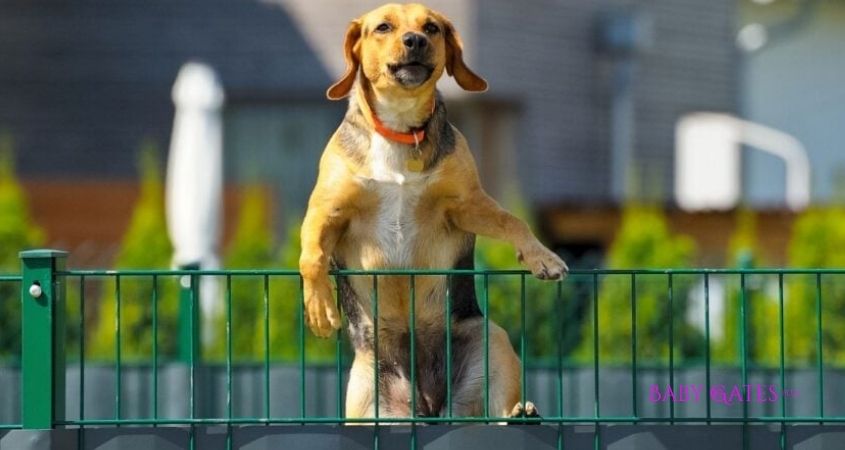
Keeping your little ones and furry friends safe at the same time can feel like a constant challenge. You want to protect your baby from curious pets, and at the same time, keep your pets from wandering into off-limit areas.
That’s where baby gates come in—simple, effective barriers that help you create a safe space for everyone in your home. If you’re wondering how to choose the right baby gate that works for both your pets and your baby, you’re in the right place.
Choosing safe gates is important for homes with both pets and babies. These gates keep little ones safe from hazards and prevent pets from entering certain areas. The right gate protects everyone and fits your home’s needs. Focus on material, size, and locking features to find the best option.
Material Options
Gates come in wood, metal, or plastic. Wood looks nice but may not hold up well to pets’ chewing. Metal is strong and lasts longer, perfect for active pets. Plastic gates are lightweight and easy to move but may not be very durable. Pick a material that suits your home and your pet’s behavior.
Size And Height Considerations
The gate should be tall enough to stop pets from jumping over. For most dogs, a height of 30 to 36 inches works well. Babies need gates that cover the full doorway or stair opening. Check the width too. The gate must fit the space tightly to avoid gaps where pets or babies can slip through.
Secure Locking Mechanisms
Locks must be easy for adults to use but hard for kids and pets. Look for gates with safety locks or double latches. Avoid gates with simple push-open locks that pets can open. Secure locks keep the gate closed and prevent accidents in busy homes.
Placement Tips
Placing baby gates correctly is key for safety and convenience. The right spots keep pets and babies apart and secure. Proper placement also helps control movement without stress. This section guides on where to put gates for the best results.
High-traffic Areas
High-traffic areas need gates to control flow. These spots often have more people, pets, and kids moving around. Placing gates here stops pets or babies from running into each other. It also reduces accidents in busy parts of the home. Choose gates that are easy to open but strong enough to last.
Doorways And Staircases
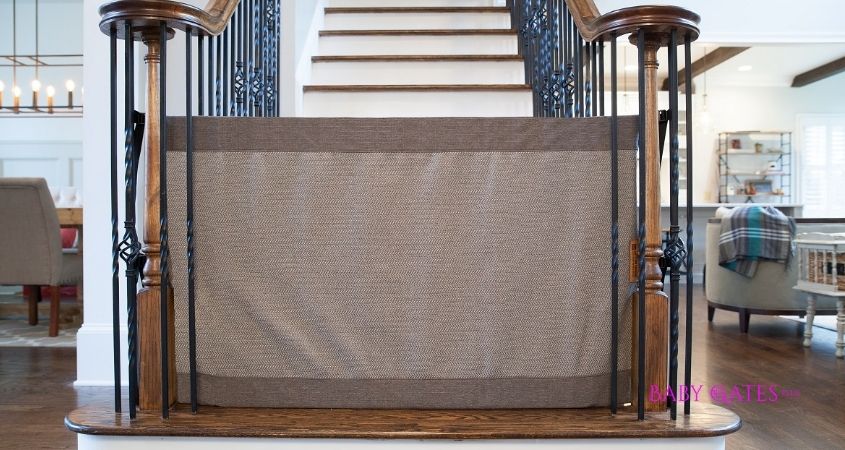
Doorways and staircases are risky without gates. Babies can fall down stairs, and pets may chase after them. Installing gates at these points keeps everyone safe. Make sure gates fit well and are secure. Test locks often to prevent accidents. Use tall gates to block pets from jumping over.
Creating Safe Play Zones
Designate safe play zones with baby gates. These areas allow babies and pets to play freely but separately. Keep toys and essentials inside these zones for comfort. Gates create boundaries that reduce stress for both pets and babies. Choose gates that are easy to move if you want to change zones.
Pet And Baby Behavior
Having pets and babies together creates a lively home full of joy and challenges. Understanding how pets and babies behave helps keep everyone safe and happy. Pets might feel curious or protective. Babies explore their world with wide eyes and tiny hands. Baby gates help manage their interaction carefully. They create safe spaces for both.
Introducing Gates To Pets
Pets need time to learn about gates. Let them sniff and see the gate first. Use treats to make gates a good thing. Keep the gate closed at first. Let pets watch from a distance. Slowly increase their time near the gate. This helps reduce fear or stress.
Helping Babies Adjust
Babies see gates as part of their space. Gates mark safe areas for crawling and playing. Talk to babies near gates. Show gates are safe and friendly. Use toys near gates to make them fun. This helps babies feel secure and calm.
Managing Interaction Safely
Gates keep pets and babies safe during play. They stop pets from jumping or biting. Gates also keep babies from chasing pets. Always watch their time together. Use gates to give each a break. Safety comes first for pets and babies.
Maintenance And Durability
Keeping baby gates clean and in good shape is important for safety. Both pets and babies can cause wear over time. Regular care helps the gate last longer and work well. Simple maintenance steps can prevent problems and keep the gate strong.
Cleaning Tips
Wipe the gate with a damp cloth every week. Use mild soap to remove dirt and pet hair. Avoid harsh chemicals that can damage the material. Dry the gate well to stop rust or mold. Clean the latch and hinges for smooth operation.
Checking For Wear And Tear
Look for cracks, loose parts, or splinters often. Test the gate’s lock to make sure it holds tight. Check the frame for bends or breaks. Examine the bottom to see if it grips the floor well. Early detection stops accidents before they happen.
When To Replace Gates
Replace the gate if it no longer locks securely. Swap it out when cracks or sharp edges appear. Change the gate if it cannot stand firmly. If pets or babies can push it down, get a new one. Always choose a sturdy gate for protection.
Popular Gate Styles
Choosing the right baby gate helps keep both pets and babies safe at home. Gates create clear boundaries without blocking the view. They come in various styles to fit different spaces and needs. Understanding popular gate types can help you pick the best one for your family.
Pressure-mounted Gates
Pressure-mounted gates use tension to stay in place between walls. They do not need screws or drilling, so they are easy to install. These gates work well in doorways and hallways. They suit temporary use and homes with renters. However, they may not hold strong against very active pets or toddlers.
Hardware-mounted Gates
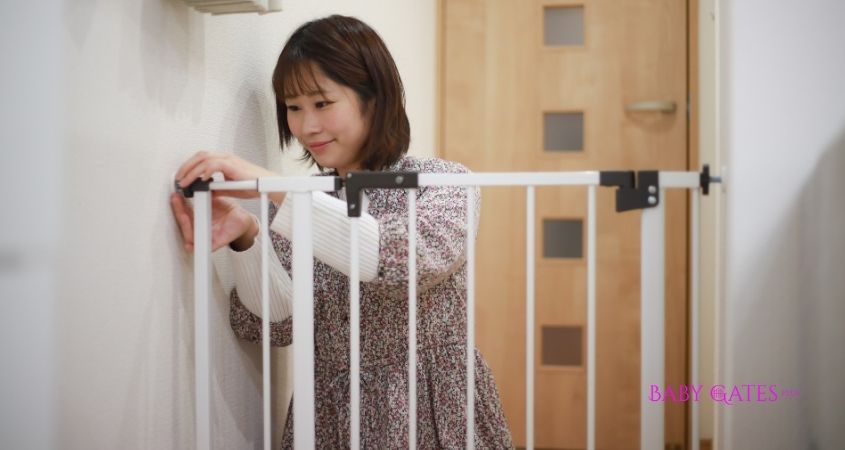
Hardware-mounted gates attach to walls with screws. They offer a more secure fit than pressure-mounted gates. These gates are ideal for staircases and busy areas. They provide extra safety for climbing babies and pets. Installation requires tools and drilling but ensures stability over time.
Expandable And Custom Gates
Expandable gates adjust in width to fit odd spaces. They often have panels that connect for wider openings. Custom gates come in different shapes and sizes for unique needs. Both types work well for large rooms or unusual layouts. These gates offer flexibility and adapt to changing spaces.
Safety Hazards To Avoid
Baby gates protect both pets and babies in the same home. They create safe spaces and prevent accidents. Safety is the top priority. Some hazards can arise if gates are not chosen or installed properly. Knowing these risks helps keep everyone safe.
Choking Hazards
Small parts on gates can come loose. Babies and pets may swallow these pieces. Avoid gates with tiny removable parts. Check for loose screws or decorations. Regularly inspect gates for wear and tear. Keep gates clean and free of debris.
Pinching Risks
Gates with moving parts can pinch fingers or paws. Hinges and latches are common pinch points. Choose gates with smooth edges and safe locking systems. Teach older children how to open and close gates safely. Always supervise babies and pets near gates.
Gate Stability Issues
Unstable gates can fall and cause injuries. Pressure-mounted gates may shift or collapse. Secure gates firmly to walls or door frames. Test gate strength before use. Use hardware-mounted gates for better stability in busy areas. Make sure gates fit the doorway correctly.
Additional Safety Accessories
Keeping babies and pets safe in the same home can be tricky. Baby gates help, but extra safety tools make a big difference. These accessories protect little hands and paws from harm. They also keep gates steady and alert you about any movement.
Corner Protectors
Sharp corners on gates or furniture can cause injuries. Corner protectors soften these edges. They are made from soft, cushioned materials. These protectors prevent bumps and bruises for babies and pets. Easy to install and remove. A small step that adds big safety.
Non-slip Pads
Baby gates can move or slide on smooth floors. Non-slip pads stop this movement. They keep gates steady and secure. These pads stick under gate legs or frames. They help prevent falls or gate tipping. A simple way to make gates safer for all.
Gate Alarms
Gate alarms alert you if a gate opens or moves. They are great for busy homes. Alarms sound when babies or pets try to pass through. This helps adults respond quickly. Gate alarms add an extra layer of safety and peace of mind.
Frequently Asked Questions
What Are The Best Baby Gates For Pets And Babies?
The best baby gates are sturdy, adjustable, and easy to install. Look for gates with secure locking mechanisms. Choose materials safe for both pets and babies, like wood or metal. Gates should be tall enough to prevent pets from jumping over.
How To Install Baby Gates Safely In A Shared Home?
Install gates at all risky areas like stairs and kitchens. Ensure the gate fits securely between walls or door frames. Use hardware-mounted gates for extra security, especially on stairs. Regularly check locks and hinges to prevent accidental openings.
Can Baby Gates Keep Pets And Babies Separated Effectively?
Yes, baby gates create a physical barrier to keep pets and babies apart. They prevent pets from accessing baby areas and vice versa. However, supervision is essential as very determined pets might try to bypass gates.
Are Pressure-mounted Gates Safe For Pets And Babies?
Pressure-mounted gates are easy to install and move but less secure. They work well for low-risk areas and calm pets. Avoid pressure-mounted gates on stairs or high-traffic zones where falls or escapes can occur.
Conclusion
Choosing the right baby gate keeps both pets and babies safe. Gates help create clear boundaries in your home. They stop accidents and give peace of mind. Always check the gate fits well and is sturdy. Easy to use gates make daily life simpler.
Safety and comfort go hand in hand. A good gate protects your loved ones without stress. Small steps make your home safer for everyone.