Keeping your little one safe while giving yourself peace of mind starts with one simple tool: a baby gate. But with so many options out there, how do you know which one is right for your home?
You want something sturdy, easy to use, and fits perfectly in your space. Choosing the best baby gate isn’t just about picking the first one you see—it’s about finding the one that suits your family’s unique needs. In this guide, you’ll discover exactly what to look for, so you can protect your child without any hassle.
Keep reading to find the perfect baby gate that makes your home safer and your life easier.
Types Of Baby Gates
Choosing the right baby gate starts with understanding the types available. Each type serves a different purpose. Knowing their features helps you find one that fits your home and keeps your child safe.
Pressure-mounted Gates
These gates use tension to stay in place. They do not require screws or drilling. This makes them easy to move and install. Best for doorways and openings without stairs nearby. Not ideal for top of stairs as they can be pushed down.
Hardware-mounted Gates
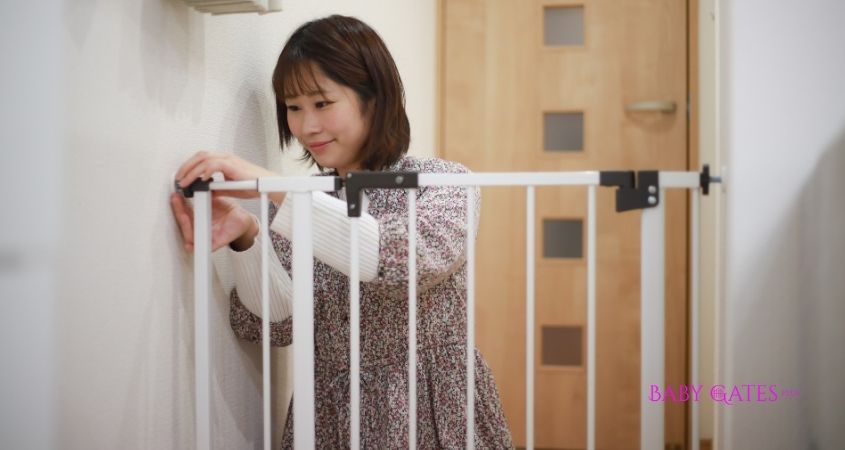
These gates attach directly to the wall with screws. They offer strong, secure protection. Perfect for stairways and high-traffic areas. Installation takes more time and tools. Once installed, they stay firmly in place.
Retractable Gates
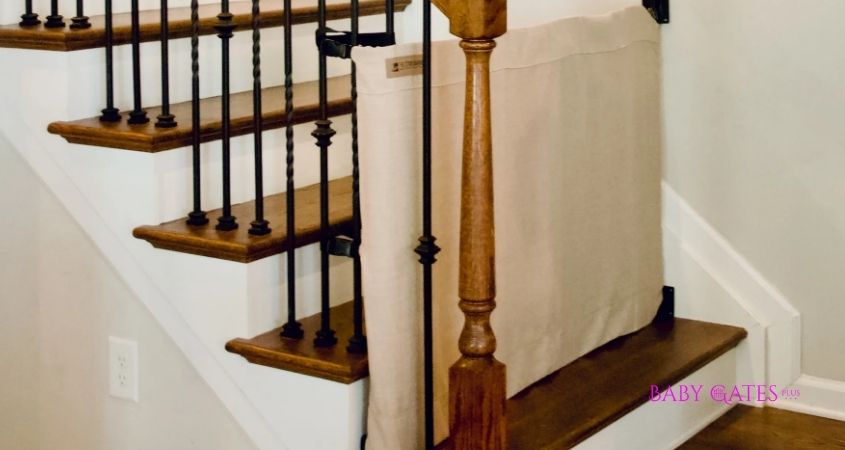
These gates roll up like a window shade. They save space and blend well with home décor. Easy to open and close with one hand. Good for wide or unusual spaces. Not as sturdy as hardware-mounted gates.
Extra Wide Gates
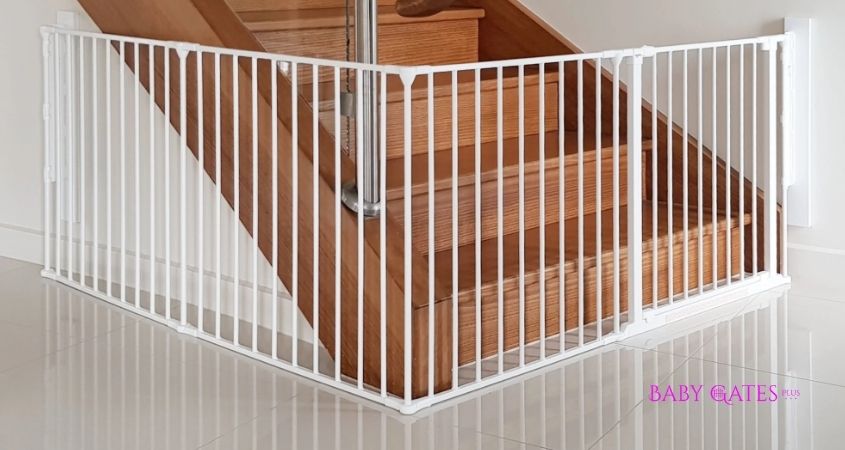
Designed for large openings and wide hallways. They can stretch to fit larger spaces. Some models are adjustable in width. Ideal for homes with big rooms or multiple doorways. Make sure it locks securely for child safety.
Measuring Your Space
Choosing the right baby gate starts with measuring your space carefully. Accurate measurements make sure the gate fits well and keeps your child safe. Take your time to measure different areas where you want to place the gate. Avoid guessing or using rough estimates. A perfect fit means better safety and less hassle.
Measuring Doorways And Staircases
Measure the width of the doorway or staircase opening. Use a tape measure and check from one side to the other. Measure at the top, middle, and bottom. Walls or banisters may not be perfectly straight. Use the smallest number as your final measurement. This ensures the gate fits securely without gaps.
Considering Wall And Surface Materials
Check the type of walls or surfaces around the gate area. Drywall, wood, or tile need different mounting options. Some gates use pressure mounts that don’t damage walls. Others require screws, which work better on sturdy surfaces. Knowing the wall material helps choose the right gate and installation method. It protects your walls and keeps the gate stable.
Safety Features To Look For
Choosing a baby gate means focusing on safety. This keeps your little one safe and gives you peace of mind. Some features matter more than others. These features help prevent accidents and injuries.
Secure Latching Mechanisms
Check the latch carefully. It should be hard for a child to open. Parents must open it with one hand easily. A strong latch keeps the gate closed firmly. Avoid gates with flimsy or easy-to-open latches.
Non-toxic Materials
The gate should use safe materials. Babies often touch and chew things around them. Non-toxic paint and plastics keep harmful chemicals away. Look for gates labeled BPA-free or eco-friendly. This protects your baby’s health.
Height And Slat Spacing
The gate’s height must be tall enough to stop climbing. At least 24 inches is best. Also, check the slat spacing. It should be narrow enough to stop your baby’s head or body from slipping through. Safe spacing is usually less than 3 inches.
Material And Design Options
Choosing the right material and design for your baby gate is important. It affects safety, durability, and how it fits your home’s style. Different materials offer different benefits. Design options can also make the gate easier to use and blend with your space.
Wood Vs. Metal
Wood gates look warm and natural. They match well with wooden floors and furniture. Wood feels sturdy but can wear out if scratched or chewed. It might need more care over time.
Metal gates are strong and durable. They resist damage from kids and pets. Metal often has a sleek, modern look. It is easier to clean and lasts longer in rough use.
Color And Style Choices
Baby gates come in many colors. White and beige fit most rooms quietly. Dark colors like black or brown stand out more. Choose a color that blends with your walls and furniture.
Styles vary from simple bars to more decorative designs. Some gates have patterns or curved tops. Others are plain and functional. Pick a style that fits your taste and home decor.
Ease Of Installation And Use
Choosing a baby gate that is easy to install and use makes life simpler. Parents need a gate that fits quickly and works smoothly every day. Ease of setup saves time and reduces stress. Simple operation keeps your child safe without hassle.
Tool-free Setup
Many baby gates come with tool-free installation. This means you don’t need drills or screwdrivers. The gate can be mounted using pressure mounts or simple brackets. Pressure-mounted gates fit between door frames or walls without damage. This setup is fast and can be moved easily. Tool-free gates suit renters or parents who change rooms often.
One-handed Operation
One-handed gates allow parents to open and close them while holding their baby. This feature is very helpful during busy times. Look for gates with easy-to-reach latches or push buttons. Gates that open smoothly without extra force save energy. One-handed use helps keep your child safe while you stay hands-free.
Budget Considerations
Choosing a baby gate involves thinking about your budget. You want a product that fits your price range but still keeps your child safe. Budget considerations help you find a balance between cost and quality. This way, you get the best value without overspending.
Price Ranges
Baby gates come in many price ranges. Basic models can cost as little as $20. These gates usually offer simple designs and materials. Mid-range gates fall between $40 and $80. They often include better materials and extra features. High-end gates may cost over $100. These models tend to have advanced safety features and durable construction.
Choosing a gate within your budget helps you avoid unnecessary expenses. Think about how often you will use the gate. Consider how many gates you need for your home. Planning ahead can help you set a realistic budget.
Long-term Value
Think about the long-term value of the baby gate. A cheap gate may wear out quickly. It might need replacing sooner than expected. Spending a bit more can save money over time. A sturdy gate lasts longer and stays safe.
Also, some gates grow with your child. Adjustable gates can fit different openings. They can be reused in different rooms or homes. This flexibility adds to their value. Choose a gate that offers safety and durability for years to come.
Maintenance And Durability
Choosing a baby gate involves more than style and safety. Maintenance and durability play a key role in its long-term use. A gate must stay strong and clean through daily wear. This ensures your child stays safe and the gate lasts longer.
Cleaning Tips
Keep the baby gate clean to maintain its function. Use a soft cloth and mild soap to wipe surfaces. Avoid harsh chemicals that can damage the material. Clean regularly to prevent dirt build-up in hinges and locks. Dry the gate well after cleaning to stop rust or corrosion. For wooden gates, use products made for wood care. Proper cleaning keeps the gate looking good and working smoothly.
Wear And Tear
Baby gates face daily use and rough handling. Check for loose screws, broken parts, or bent bars often. Metal gates may show rust spots or paint chipping. Plastic parts can crack or fade from sunlight. Wood may splinter or weaken over time. Replace worn parts quickly to avoid safety risks. A durable gate can handle bumps without breaking. Choose materials that resist damage for longer use.
Popular Brands And Models
Choosing the right baby gate means picking a brand and model that fits your home and keeps your baby safe. Many brands offer different styles, sizes, and features. Knowing the popular options helps you make a smart choice.
Some brands focus on durability and safety. Others offer easy installation and stylish designs. Finding a gate that matches your needs is easier with a quick look at top choices.
Top-rated Baby Gates
Many parents trust brands like Regalo, Summer Infant, and Evenflo. Regalo gates often feature pressure-mounted designs. These are great for doorways and hallways.
Summer Infant gates include hardware-mounted options. They are very secure and fit stairs well. Evenflo offers gates with easy one-hand operation.
Another popular model is the Munchkin Easy Close gate. It has a strong latch and fits wide openings. These gates meet safety standards and get high ratings.
Customer Reviews
Parents often praise gates that are easy to install. Simple instructions and fewer tools help a lot. Many reviews highlight gates that stay firmly in place.
Customers like gates with smooth edges and no sharp corners. Safety is always the top priority. Some gates get high marks for durability and style.
Negative reviews usually mention hard-to-use latches or weak materials. Listening to these opinions can help avoid bad choices. Real user feedback shows which gates work well in real homes.
Common Mistakes To Avoid
Choosing the right baby gate can keep your child safe and give you peace of mind. Avoiding common mistakes helps you get the best gate for your home. Many parents make errors that reduce the gate’s effectiveness or cause frustration.
Learning what to avoid makes your selection easier and safer. Two big mistakes often happen during installation and when thinking about your child’s needs.
Incorrect Installation
Installing the baby gate wrong can cause serious safety risks. The gate may not hold if it is loose or not fixed tightly. Pressure-mounted gates can slip if placed on uneven walls. Always follow the instructions carefully. Use the right tools and check the gate regularly. A poorly installed gate won’t stop your child from passing through.
Ignoring Age And Mobility Needs
Not all baby gates fit every child’s age or ability. Toddlers who climb need taller gates. Babies who crawl need gates with small gaps. Gates with complicated locks confuse young parents. Choose a gate that matches your child’s stage. A gate too low or too hard to open can be unsafe or annoying. Think about your child’s growth and changing skills.
Frequently Asked Questions
What Factors Should I Consider When Choosing A Baby Gate?
Consider safety, gate type, material, size, and ease of installation. Choose a gate that fits your space and meets safety standards. Also, check if it suits your child’s age and mobility level for optimal protection.
Are Pressure-mounted Gates Safe For All Areas?
Pressure-mounted gates are best for doorways and areas without stairs. They are easy to install but less secure on staircases. For stair safety, hardware-mounted gates are recommended to prevent accidents effectively.
How Do I Measure For The Perfect Baby Gate Fit?
Measure the width of the opening where you want to install the gate. Include any molding or trim in your measurement. This ensures you select a gate that fits snugly without gaps, providing better safety.
Can Baby Gates Be Used For Pets As Well?
Yes, many baby gates also work well for pets. Choose gates with durable materials and appropriate height to contain pets safely. Always check the gate’s weight limit and design for your pet’s size.
Conclusion
Choosing the right baby gate keeps your child safe and your mind calm. Think about your home layout and your child’s needs first. Measure spaces carefully to find the perfect fit. Pick a gate that is strong and easy to use.
Check if it matches your style and budget too. A good baby gate gives you peace and protects your little one. Take your time and choose wisely for your family’s safety. Safety is simple with the right gate in place.