Before you buy a baby gate, there’s one step you can’t skip: measuring your space. Getting this right means your gate will fit perfectly, keeping your little one safe without gaps or wobbling.
If you guess or rush, you might end up with a gate that’s too big, too small, or just doesn’t work the way you need it to. You’ll learn simple, clear steps to measure your doorway, stairway, or hallway like a pro.
By the end, you’ll feel confident and ready to pick the best baby gate for your home—and your peace of mind. Keep reading to make sure your baby gate fits just right!
Choosing The Right Spot
Choosing the right spot for your baby gate is key to keeping your child safe. The location affects how well the gate works and how easy it is to use. Think about where your child needs the most protection. Also, consider the room’s layout and how people move around. A good spot stops your child from reaching unsafe places without causing trouble for adults.
Common Areas For Baby Gates
Many parents place gates at the top or bottom of stairs. This prevents falls, which are very dangerous. Doorways to kitchens or living rooms also need gates. These areas often have sharp edges or hot appliances. Hallways can work too if they lead to unsafe zones. Choose places where your child should not go alone.
Considering Traffic Flow
Pick a spot that does not block daily movement. The gate should open easily for adults. Avoid places where people carry big items or pets pass through. Make sure the gate does not cause trips or bumps. It should blend with how your family moves around the home. Think about quick access in case of emergencies.
Safety Concerns In Placement
Keep the gate away from furniture that children can climb. Avoid areas near cords, blinds, or heaters. These can be dangerous if your child reaches them. Place the gate on sturdy walls or frames for firm support. Check that the gate fits tightly to stop squeezing or slipping. Safety is the main goal in choosing the spot.
Tools You’ll Need
Measuring your space correctly is key before buying a baby gate. Having the right tools makes this task easy and precise. Gather the tools before you start measuring to avoid mistakes and save time.
Measuring Tape Essentials
A measuring tape is the main tool you need. Choose a tape that is at least 12 feet long. It should be sturdy and easy to read. A tape with both inches and centimeters helps. Look for a tape with a locking feature to hold measurements. This keeps your hands free while noting down sizes.
Additional Helpful Tools
A pencil and paper help record your measurements clearly. A level tool ensures your measurements are straight and accurate. A helper can hold the tape at one end for better results. Using a step stool or ladder helps reach high places safely. These tools make measuring quicker and more reliable.
Measuring Width And Height
Measuring the width and height of the space is key before buying a baby gate. Getting the right size ensures the gate fits securely and keeps your child safe. Take your time with measurements to avoid buying a gate that is too large or too small.
Measuring Doorways And Hallways
Start by measuring the width of the doorway or hallway. Use a tape measure and note the narrowest part. Measure at the top, middle, and bottom for accuracy. Write down the smallest width measurement. Next, measure the height from the floor to the top of the doorway or wall where the gate will go.
Accounting For Baseboards And Moldings
Baseboards and moldings can affect the gate’s fit. Measure the distance from the floor to the bottom of the baseboard or molding. This helps you know how much space is usable for mounting the gate. Add this measurement to the width to ensure the gate fits snugly without gaps.
Measuring For Stairway Gates
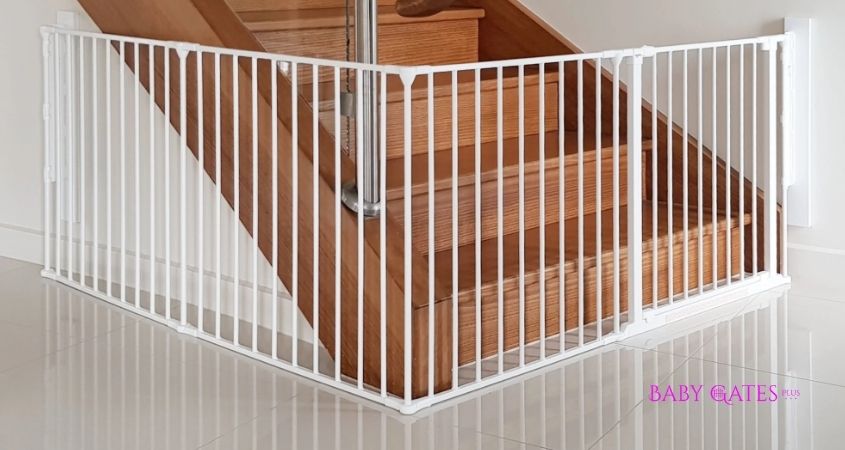
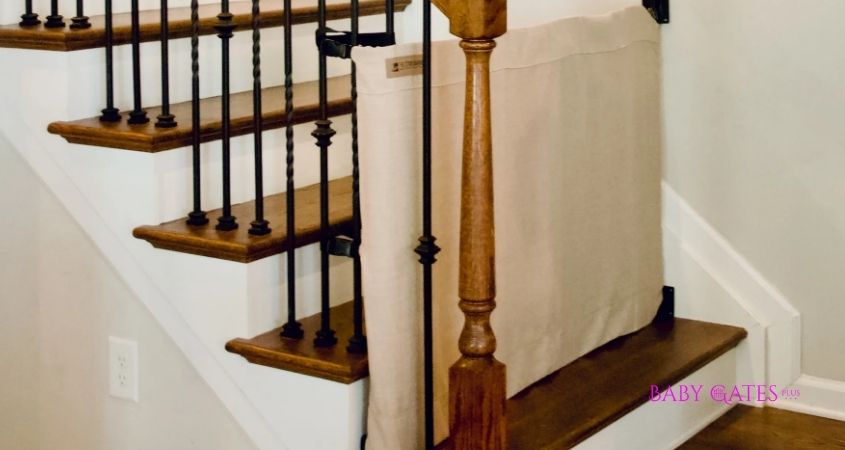
Stairway gates need precise measurements for safety. Measure the width at the top of the stairs, including any railings or trim. Check the height from the floor to the desired gate height. Some stairway gates extend higher than regular gates. Measure carefully to avoid any risk of falls or slips.
Checking Wall And Surface Types
Checking your wall and surface types is key before buying a baby gate. Different walls need different gate mounts. This step helps avoid damage and ensures safety. Knowing your wall type guides your choice of gate and mounting method.
Some surfaces hold screws well. Others do not. Some walls might need extra support or special tools. This affects the gate’s stability and how secure it is for your child.
Wall Material And Mounting Options
Common wall materials include drywall, plaster, brick, and wood. Drywall can be weak for screws alone. Use anchors or find studs for strong support. Plaster walls may crack easily, so choose mounting hardware carefully. Brick and concrete require special drill bits and anchors. Wood walls hold screws well but may need pilot holes to avoid splitting.
Knowing the wall material helps pick the right mounting hardware. Some gates come with hardware for multiple surfaces. Others need extra tools or parts. Measure the space and check the wall before buying to avoid surprises.
Considering Pressure-mounted Vs. Hardware-mounted Gates
Pressure-mounted gates hold in place by pushing against walls. They do not need screws or drilling. These gates work well in doorways or openings with solid, flat surfaces. Pressure-mounted gates can leave marks or dents on soft walls like drywall. They are best for temporary use or rental homes.
Hardware-mounted gates attach with screws into walls. They offer stronger, more permanent support. Use hardware-mounted gates at the top or bottom of stairs for safety. These gates suit walls that can hold screws well. Hardware-mounted gates require tools and more time to install but provide better security.
Choose pressure-mounted gates for easy setup and less damage. Pick hardware-mounted gates for long-term use and high safety needs. Always match the gate type to your wall and space for the best fit.
Start by writing down the width and height of the space. Use a tape measure for exact numbers. Measure the narrowest and widest points to cover all options. Note any obstacles like handrails or uneven walls. Keep all measurements in one place, such as a notebook or phone app.
Matching Measurements With Gate Sizes
Check the gate’s product details for size options. Compare your recorded measurements with these sizes. Choose a gate that fits your space with a little room to spare. Avoid gates that are too small or too large. Proper matching ensures the gate installs securely and works well.
Adjusting For Gate Extensions
Adjusting for gate extensions is key when your doorway or hallway is wider than standard baby gates. Extensions help fill gaps, ensuring the gate fits securely and keeps your child safe. Measuring accurately for these extensions prevents buying parts that don’t fit.
Measure your space carefully before choosing a gate with extensions. This step saves time and money and helps avoid frustration during installation.
Extensions come in various lengths. Check your gate’s maximum width with extensions included. This ensures the gate will fit your space perfectly.
How To Measure For Extensions
Measure the width of the space at the top, middle, and bottom. Use the smallest measurement to avoid gaps.
Subtract the width of the gate from your measured space. The difference is the length of extension needed.
Round up to the nearest inch for a secure fit. Extensions usually come in 2-inch or 4-inch pieces.
Frequently Asked Questions
How Do I Measure Doorways For A Baby Gate?
Measure the width of the doorway at the top, middle, and bottom. Use the narrowest measurement to ensure the gate fits securely.
What Tools Do I Need To Measure My Space Accurately?
Use a tape measure for precise width and height measurements. A pencil and paper help record your measurements clearly.
Should I Measure The Wall Thickness For Pressure-mounted Gates?
Yes, measure wall thickness to confirm pressure-mounted gates fit properly without damaging surfaces. This ensures a secure and safe installation.
How Do I Measure Irregular Spaces For A Baby Gate?
Measure the widest and narrowest points of the space. Choose a flexible or adjustable gate that suits varying widths.
Conclusion
Measuring your space carefully helps you choose the right baby gate. Accurate measurements avoid fitting problems and keep your child safe. Use a tape measure and check width and height twice. Don’t forget to consider door frames or stairs. Taking time now saves effort later.
A well-fitted gate fits securely and works better. Stay patient and double-check your numbers. Your child’s safety depends on it. Simple steps lead to smart choices. Keep it easy, and your home stays safe.