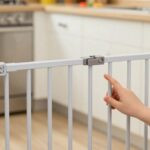
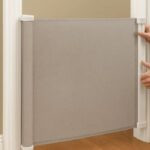
If you have a baby gate at home, you might not think much about it—until it suddenly stops doing its job. But how do you know when your old baby gate is no longer safe or reliable?
Ignoring the signs can put your little one at risk. You’ll discover the clear warning signals that it’s time to replace your baby gate. Knowing these signs will help you keep your child safe and give you peace of mind.
Keep reading to find out what to watch for and when to take action.
Visible Damage
Visible damage on a baby gate is a clear warning sign. It shows the gate may not protect your child properly anymore. A damaged gate can break suddenly, causing accidents. It is important to check your baby gate often for any visible problems. Spotting damage early keeps your child safe and avoids risky situations.
Cracks And Breaks
Cracks or breaks in the gate’s frame or bars weaken its strength. Even small cracks can grow bigger over time. This makes the gate less stable and easy to break under pressure. If you see any cracks or breaks, it means the gate can fail when leaned on or pushed. Replace the gate to ensure your child stays safe.
Loose Or Missing Parts
Loose or missing screws, bolts, or hinges reduce the gate’s security. These parts hold the gate firmly in place. When they become loose or fall out, the gate might wobble or come off its mount. A wobbly gate is unsafe and can cause falls. Check all parts regularly and replace the gate if you find anything loose or missing.
Malfunctioning Mechanisms
Malfunctioning mechanisms in baby gates can cause safety risks. These parts control how the gate opens and closes. When they stop working well, the gate may not protect your child properly. Watch for signs like sticking parts or trouble locking the gate. These problems show it might be time to replace the gate.
Sticking Or Jamming
Sticking or jamming parts make the gate hard to move. The hinges or sliding bars might get stuck. Dirt, rust, or wear can cause this. A stuck gate can trap fingers or fail to close fully. This reduces the gate’s safety. If cleaning does not fix it, a new gate is safer.
Difficulty Locking Or Unlocking
Locks that are hard to open or close cause frustration. They may fail to latch securely. A loose lock can let the gate open without warning. This puts your child at risk. If the lock jams or slips often, replacement is the best choice. Reliable locking keeps your child safe at all times.
Safety Standards Changes
Safety standards for baby gates change over time. These changes aim to keep your child safer. Old gates might not meet the latest rules. Using an outdated gate can increase risks. It’s important to check if your gate follows current safety rules.
Updated Regulations
New safety regulations often require stronger materials. They also demand better locking systems. Gaps between bars must be smaller now. These rules help prevent children from slipping through. Updated rules focus on preventing falls and injuries. Old gates might not pass these new tests.
Recall Notices
Recall notices warn about dangerous baby gates. Manufacturers issue recalls if gates cause harm. Check if your gate model has a recall. Using a recalled gate puts your child at risk. Recalled products often have defects or weak parts. Replace any gate that has been recalled immediately.
Size And Fit Issues
Size and fit problems are common reasons to replace an old baby gate. A gate that does not fit right can cause safety risks. It may not hold your child back properly. Also, a gate that is too small or too tall can be hard to use. Checking the size and fit often helps keep your child safe.
Gate No Longer Fits Doorway
Doorways and openings change over time. Your old gate might not fit the space anymore. A gate that is too narrow leaves gaps for your child to squeeze through. A gate that is too wide may not close securely. This can let your child wander into unsafe areas. A proper fit ensures the gate stays tight and safe.
Child Outgrowing Gate Height
Babies grow fast. The height of the gate must keep up with your child. A short gate may be easy to climb over. This makes it useless as a barrier. A taller gate keeps your child from climbing or falling. Replace the gate if your child is taller than the gate’s height. Safety depends on the right height and strength.
Wear And Tear
Wear and tear can make a baby gate unsafe over time. Daily use causes parts to weaken or break. The gate may look old and tired. It might not work as well as before. Checking for damage helps keep your child safe.
Faded Or Worn Materials
Sunlight and cleaning can fade the gate’s color. Plastic parts may crack or become brittle. Fabric or mesh inserts might tear or stretch. Worn materials reduce the gate’s strength. A faded gate may also hide damage. Replace the gate if materials look weak or damaged.
Rust Or Corrosion
Metal gates can develop rust over time. Rust weakens the metal and causes sharp edges. Corrosion can make moving parts stiff or stuck. Rusty gates can break unexpectedly. Check all metal parts for signs of rust. Replace the gate if corrosion is visible or affects function.
Child’s Developmental Milestones
Children grow fast. Their skills change every day. Baby gates that once kept them safe might not work as well anymore. It is important to watch your child’s developmental milestones. These changes show when it is time to replace an old baby gate. Safety is the top priority.
Increased Climbing Ability
Kids start climbing furniture and obstacles as they grow. A baby gate that was hard to climb before might become easy to scale now. This makes the gate less safe. Watch for signs your child climbs or tries to climb the gate. If they do, it is time to get a sturdier, taller gate.
New Mobility Skills
Children learn to crawl, walk, and run at different stages. Each new skill means they can move faster and reach more places. Old gates may not close tightly or stay secure with this new activity. Check if your child can open or push the gate. If yes, it is safer to replace it with a more secure model.
Upgrading For Convenience
Upgrading your old baby gate brings more than just safety. It also adds ease and comfort to your daily routine. New gates offer smart features that save time and effort. They make managing your child’s space simpler and smoother. Consider these points to see if convenience calls for a new gate.
Modern Features
New baby gates come with helpful modern features. Some have one-handed open and close functions. This lets you pass through easily while holding your child. Others include pressure-mounted designs that avoid wall damage. Some gates have built-in alarms for extra security. These features make life easier and safer for parents.
Easier Installation Options
Installing a baby gate should not be hard or take hours. New models offer simpler setups. Many use pressure mounting to avoid drilling holes. This saves your walls and speeds up installation. Some gates come with clear instructions and tools included. These options reduce stress and let you focus on your child.
Frequently Asked Questions
When Should I Replace My Old Baby Gate?
Replace your baby gate if it shows cracks, loose parts, or missing components. Safety is crucial, so don’t wait for accidents.
How Do I Know If My Baby Gate Is Unsafe?
Check if the gate doesn’t lock properly or wobbles. These signs mean the gate can fail and risk your child’s safety.
Can Old Baby Gates Cause Injury?
Yes, old or damaged gates can break or trap fingers. It’s best to replace them to prevent potential injuries.
What Features Should A New Baby Gate Have?
Look for sturdy materials, secure locking mechanisms, and proper height. A reliable gate ensures safety and peace of mind.
Conclusion
Old baby gates can wear out and become unsafe over time. Cracks, loose parts, or difficulty closing are clear signs. Your child’s safety matters most. Replace the gate to avoid accidents and injuries. Choose a sturdy, well-fitting gate for peace of mind.
Don’t wait until it breaks or stops working properly. A new gate keeps your home safe and secure. Small steps like this protect your little one every day. Safety first, always.