Choosing the right baby gate can feel overwhelming. You want to keep your little one safe, but also make sure the gate fits your home perfectly.
Should you go for a pressure mounted baby gate or a hardware mounted one? Each type has its own benefits and drawbacks that could impact your daily life. You’ll discover which option suits your needs best, helping you make a confident decision that keeps your child secure without adding stress to your routine.
Keep reading to find out what works for you and your family.
Types Of Baby Gates
Choosing the right baby gate is important for your child’s safety. Baby gates come in different types. Each has its own way to keep areas secure. Two main types are pressure mounted and hardware mounted gates. Understanding these types helps pick the best fit for your home.
Pressure Mounted Gates
Pressure mounted gates use tension to stay in place. They press tightly between walls or door frames. No screws or tools are needed. This makes them easy to install and remove. These gates are great for temporary use. They work well on smooth surfaces like wood or tile. Not ideal for top of stairs. They might not hold if pushed hard.
Hardware Mounted Gates
Hardware mounted gates attach with screws or bolts. They fix directly to walls or banisters. This makes them very strong and secure. Best choice for stairways or busy areas. Installation takes more time and tools. They stay in place even with strong pressure. These gates are a permanent safety solution. Removing them leaves small holes in the wall.
Installation Process
The installation process is a key factor when choosing between pressure mounted and hardware mounted baby gates. Each type has a different setup method that affects stability and wall damage. Understanding these methods helps pick the best gate for your home.
Setting Up Pressure Mounted Gates
Pressure mounted gates use tension to stay in place. No screws or drilling are needed. The gate has rubber pads on each end. These pads press against the walls or door frame.
To install, twist or turn the adjustment knobs. This action expands the gate until it fits tightly. Make sure the gate is level and secure. It should not move when pushed.
Pressure mounted gates are quick to install and remove. They work best in doorways without carpet or uneven surfaces. They do not leave holes in walls or woodwork.
Installing Hardware Mounted Gates
Hardware mounted gates require tools and some effort. These gates attach to the wall using screws and brackets. This method offers strong support and greater safety.
First, mark the spots on the wall for brackets. Drill holes where the screws will go. Use a screwdriver to fix the brackets firmly. Then, attach the gate to the brackets.
Hardware mounted gates take longer to install. They are ideal for stairways or high-traffic areas. These gates stay in place during heavy use. They may leave small holes when removed.
Safety And Stability
Safety and stability matter most in baby gates. These gates stop toddlers from reaching unsafe areas. Choosing the right type helps keep your child secure. Pressure mounted and hardware mounted gates differ in how they hold strong. Understanding their strengths guides you to the best choice for your home.
Strength And Support Of Pressure Gates
Pressure mounted gates use tension to stay in place. They press firmly between two walls or door frames. This tension gives good support but can loosen over time. Pressure gates work best for short-term use or wide openings. They avoid wall damage and are easy to move. Still, heavy pushing or climbing may cause them to shift. Check them often to ensure they hold tight.
Durability Of Hardware Gates
Hardware mounted gates bolt directly to walls. Screws and brackets keep them very secure. These gates resist strong pressure and rough use. They suit areas needing permanent safety measures. Hardware gates rarely move or fall down. Installation takes more time and leaves small holes. Their strong build offers steady protection over many years. Ideal for stairways or tight spaces where safety is key.
Suitability For Different Spaces
Choosing the right baby gate depends on the space where you need it. Each type of gate fits different rooms and situations better. Knowing where to use pressure mounted or hardware mounted gates helps keep your child safe. It also makes installing the gate easier and more effective.
Best Uses For Pressure Mounted Gates
Pressure mounted gates work well in places where walls are smooth and flat. They do not need screws or holes, so they are perfect for renters or temporary setups. Use them at the top of stairs only if the gate fits tightly and securely. They are great for doorways and hallways where you want quick removal and easy moving. These gates are also good for areas where you need to open and close the gate often without hassle.
Ideal Settings For Hardware Mounted Gates
Hardware mounted gates are best for high-traffic areas and stairways. They attach directly to the wall with screws, making them very strong and hard to move. Use them at the top of stairs to prevent falls and serious injuries. These gates suit homes where a permanent, sturdy solution is needed. They work well in wide openings or uneven walls where pressure gates might not fit properly. Hardware mounted gates stay secure even with heavy use and active children.
Ease Of Use And Maintenance
Choosing between pressure mounted and hardware mounted baby gates often depends on ease of use and maintenance. These factors affect daily convenience and long-term care. Understanding how each gate operates and what upkeep they require helps make a smart choice.
Operating Pressure Mounted Gates
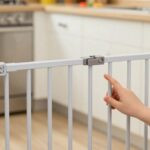
Pressure mounted gates use tension to stay in place. They are easy to install without tools. Just twist or turn the knobs to tighten them between walls or door frames. Opening and closing these gates is usually simple with a one-hand latch.
These gates are portable and quick to move from room to room. Cleaning is easy too. Most pressure mounted gates can be wiped down with a damp cloth. No screws or hardware parts to worry about rust or damage.
Handling Hardware Mounted Gates
Hardware mounted gates attach with screws or bolts. They offer a very strong and stable barrier. Installation takes more time and tools. Once mounted, they are not easy to remove or move.
Operating these gates often involves lifting or sliding a latch. This can be a bit harder for quick access but ensures safety. Maintenance requires checking screws regularly. Tighten loose hardware to keep the gate secure. Wipe the gate clean and inspect for wear.
Cost Comparison
Choosing between pressure mounted and hardware mounted baby gates often depends on cost. Understanding the price differences helps you pick the right gate for your budget and needs. Both types serve safety well but vary in price based on design and installation.
Price Range For Pressure Gates
Pressure mounted gates are usually cheaper. Most models cost between $20 and $50. These gates do not need extra tools or parts for installation. The price depends on size, material, and brand. Simple plastic gates are cheaper, while metal or wood versions cost more.
These gates offer easy setup without drilling holes. You can move them between rooms or homes. Their lower price makes them a good choice for temporary use or renters.
Cost Of Hardware Gates
Hardware mounted gates cost more than pressure mounted ones. Prices range from $40 to over $100. These gates need screws and anchors for secure mounting. Installation requires tools and some skill. The materials are often stronger and more durable.
The higher price reflects the permanent nature and added safety. Hardware gates suit stairways or busy areas. Their price can increase with extra features like locks or decorative designs.
Aesthetic And Design Options
Choosing between pressure mounted and hardware mounted baby gates involves more than safety. The look and style matter for many parents. Both types offer different design options to match your home decor. Understanding these options helps you pick a gate that fits your space and taste.
Styles Available For Pressure Gates
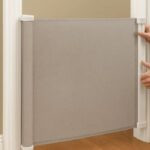
Pressure mounted gates come in a variety of styles. Many feature simple, clean lines for a modern look. Some have mesh panels, which offer a soft, see-through barrier. Others use wood or metal bars for a classic appearance. Colors range from white and black to natural wood tones. This variety allows easy blending with most rooms. Pressure gates often have a lightweight feel, adding to their casual style.
Design Variations In Hardware Gates
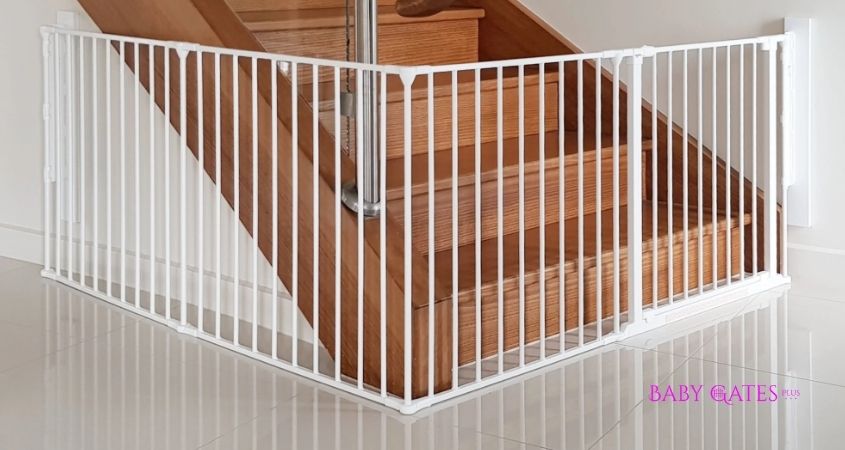
Hardware mounted gates tend to have sturdier designs. They often use solid wood or metal for durability. Many models include decorative elements like carved wood or sleek metal finishes. These gates can appear more permanent and polished. Colors often match other household fixtures like doors or cabinets. Hardware gates usually fit well in traditional or formal spaces. Their fixed nature allows for more detailed design choices.
Common Challenges
Choosing between pressure mounted and hardware mounted baby gates can be tough. Both types have their own set of challenges that parents often face. Understanding these common problems helps in making the right choice for your home and child’s safety.
Issues With Pressure Mounted Gates
Pressure mounted gates can loosen over time. They rely on tension to stay in place. This tension can weaken, especially on uneven surfaces.
These gates might not be safe for stairways. They can be pushed down if a child leans on them. This risk makes them less ideal near stairs.
Some pressure mounted gates are hard to open for adults. The locking mechanism may require extra force. This can be frustrating during busy times.
Problems With Hardware Mounted Gates
Hardware mounted gates need drilling into walls. This can damage paint or drywall. Not ideal for renters or temporary setups.
Installation can be tricky and time-consuming. You might need tools or help to set them up correctly. Improper installation reduces their strength.
Removing hardware mounted gates leaves holes. These need patching and repainting later. This adds extra work after the gate is removed.
Frequently Asked Questions
What Is The Difference Between Pressure And Hardware Gates?
Pressure-mounted gates use tension to stay in place. Hardware-mounted gates are screwed into walls or door frames. Hardware gates are more secure, while pressure gates are easier to install and move.
Are Pressure-mounted Gates Safe For Stairs?
Pressure-mounted gates are not recommended for stairs. They can be dislodged easily, posing a safety risk. Hardware-mounted gates are safer for stairs as they are firmly attached.
Which Baby Gate Is Better For Pets?
Pressure-mounted gates are better for pets if portability is needed. Hardware-mounted gates offer more durability and security but are less portable.
Can Hardware-mounted Gates Damage Walls?
Yes, hardware-mounted gates require drilling into walls or door frames. This can leave holes or marks. However, they provide a sturdier and safer barrier.
Conclusion
Pressure mounted gates are easy to install and move around. They suit renters or temporary needs. Hardware mounted gates offer strong, long-term safety. They are best for stairs and busy areas. Choose based on your home and child’s safety. Both types keep your baby safe if used right.
Think about your space and how often you move the gate. Safety is the top priority for every parent.