Falls and injuries at home can happen to anyone, and they often come without warning. You might think your home is safe, but even small hazards can lead to serious accidents.
What if you could take simple steps right now to protect yourself and your loved ones? You’ll discover easy and effective ways to prevent falls and keep your home a safe place. Keep reading—you’ll learn how small changes can make a big difference in your safety and peace of mind.
Common Causes Of Falls At Home
Falls at home happen more often than many think. Understanding the common causes helps prevent injuries. Many falls result from simple hazards that are easy to fix. Identifying these risks creates a safer living space for everyone.
Slippery Floors And Surfaces
Wet or polished floors cause slips easily. Spills, water, or cleaning products increase the risk. Bathrooms and kitchens are common trouble spots. Use non-slip mats or rugs to reduce accidents.
Poor Lighting
Dim or uneven lighting hides obstacles and steps. Shadows make it hard to see clearly. Nighttime trips to the bathroom often lead to falls. Use bright bulbs and install nightlights in hallways.
Clutter And Obstacles
Items left on floors block safe walking paths. Toys, shoes, and cords create trip hazards. Keeping floors tidy reduces chances of falling. Store items in designated places to stay safe.
Unsafe Stairways
Missing or broken handrails cause instability on stairs. Uneven or loose steps increase fall risk. Poorly lit stairs are dangerous too. Check stairs regularly and fix problems promptly.
Loose Rugs And Mats
Rugs that move easily can cause trips and falls. Mats without non-slip backing slide on hard floors. Secure rugs with tape or grips to keep them steady. Avoid small rugs in high-traffic areas.
Essential Home Safety Modifications
Making simple changes at home can greatly reduce the risk of falls and injuries. These safety modifications help create a safer environment, especially for children, older adults, and people with limited mobility. Small adjustments can make moving around easier and safer every day.
Installing Grab Bars And Handrails
Grab bars provide strong support in key areas like bathrooms and stairs. Handrails along staircases help maintain balance when going up or down. These bars should be securely fixed to walls and placed where people need extra help. They reduce the chance of slipping and falling in critical spots.
Non-slip Flooring Options
Choose flooring materials that reduce slipping, such as textured vinyl or rubber mats. Avoid smooth, shiny surfaces that become slippery when wet. Adding non-slip coatings to existing floors can also improve safety. Floors with good grip help prevent accidents in kitchens and bathrooms.
Improving Lighting Fixtures
Bright lights make it easier to see obstacles and changes in floor levels. Use LED bulbs for clear, consistent light. Install night lights in hallways and bathrooms for safe movement at night. Well-lit areas reduce the risk of tripping over unseen objects.
Securing Rugs And Carpets
Loose rugs can easily cause trips and falls. Use non-slip pads or tape under rugs to keep them in place. Choose low-pile carpets that lie flat on the floor. Secured rugs and carpets create a steady walking surface and lower fall risks.
Organizing Cords And Clutter
Loose cords and clutter block walking paths and cause trips. Keep cords tucked away using clips or covers. Regularly clear floors of toys, shoes, and other items. Clear, open spaces make walking safer and reduce chances of falling.
Daily Habits To Reduce Fall Risks
Daily habits play a key role in preventing falls and injuries at home. Small changes in routine can make a big difference. These habits help keep the body strong and aware. They also reduce risks in everyday activities. Focus on simple steps that anyone can follow easily.
Consistency is important. Doing these habits every day helps build safety naturally. Start with what feels easy and add more over time. This way, staying safe becomes a part of daily life.
Wearing Proper Footwear
Choose shoes with good grip and support. Avoid slippers or shoes with slippery soles. Proper footwear improves balance and prevents slips. Wear shoes that fit well and cover your feet. Always wear shoes inside the house, especially on smooth floors.
Maintaining Physical Fitness
Exercise regularly to keep muscles strong and joints flexible. Simple activities like walking or stretching help a lot. Strong legs and good balance reduce the chance of falling. Try exercises that improve coordination and strength. Stay active for better control and stability.
Using Mobility Aids Correctly
Use canes, walkers, or other aids as advised by a doctor. Check that the aid fits well and is in good condition. Learn to use aids properly to avoid accidents. Hold the aid firmly and move slowly. Proper use of aids supports balance and prevents falls.
Regular Vision And Health Checks
Visit the doctor for eye exams and health checkups regularly. Poor vision can increase the risk of falls. Keep track of medications and side effects. Managing health conditions helps maintain strength and alertness. Early detection of problems helps prevent accidents.
Technology And Tools For Fall Prevention
Technology plays a key role in making homes safer. It helps reduce falls and injuries by offering smart solutions. These tools work quietly but effectively to protect everyone, especially older adults or people with mobility issues.
Many devices and systems can alert family members or caregivers if a fall happens. Others prevent falls by improving visibility or monitoring movement. Using these technologies can create a safer home environment.
Motion Sensor Lights
Motion sensor lights turn on automatically in dark areas. They help people see clearly when moving at night. These lights reduce the risk of tripping over unseen objects or stairs. Installing them in hallways, bathrooms, and staircases improves safety.
Fall Detection Devices
Fall detection devices sense sudden movements or impacts. They send alerts to emergency contacts after a fall. Some devices are worn like bracelets or pendants. Others use sensors placed around the home. These devices provide quick help in emergencies.
Smart Home Systems
Smart home systems connect various safety tools in one network. They control lights, alarms, and cameras automatically. Voice commands can operate these systems easily. This technology allows better monitoring and quicker response to risks.
Emergency Alert Systems
Emergency alert systems provide instant communication with help services. Users press a button or use voice commands to call for help. Many systems include GPS tracking for accurate location. This ensures fast assistance after a fall or injury.
Safety Tips For High-risk Areas
High-risk areas in the home need special attention to prevent falls and injuries. Simple changes can make these spots safer. Focus on key places where slips and trips happen most. Safety measures in these areas help protect everyone.
Bathroom Safety Measures
Bathrooms are slippery and often wet. Use non-slip mats inside and outside the tub or shower. Install grab bars near the toilet and in the shower. Keep floors dry by wiping up water spills quickly. Choose a shower chair for extra support. Bright lighting helps spot hazards easily.
Kitchen Precautions
Kitchens have many hazards like spills and sharp objects. Clean up spills immediately to avoid slips. Store knives and sharp tools safely out of reach. Use sturdy step stools for high shelves. Keep walkways clear of clutter. Use rugs with non-slip backing to prevent trips.
Bedroom Adjustments
Bedrooms can be risky at night or in low light. Place a nightlight for safe movement after dark. Keep the floor clear of cords and clutter. Use a bed rail if balance is an issue. Arrange furniture to allow easy walking paths. Ensure rugs lie flat and don’t slide.
Outdoor Walkway Maintenance
Outdoor paths can be uneven or slippery. Repair cracks and holes in walkways promptly. Remove leaves, snow, or ice regularly. Add handrails on stairs and steep paths. Use outdoor lights for clear visibility at night. Choose non-slip surfaces for patios and steps.
Helping Children And Seniors Stay Safe
Keeping children and seniors safe at home needs special care. Both groups face a higher risk of falls and injuries. Homes must be adapted to their needs. Safety measures help prevent accidents and create a secure space for everyone.
Childproofing Techniques
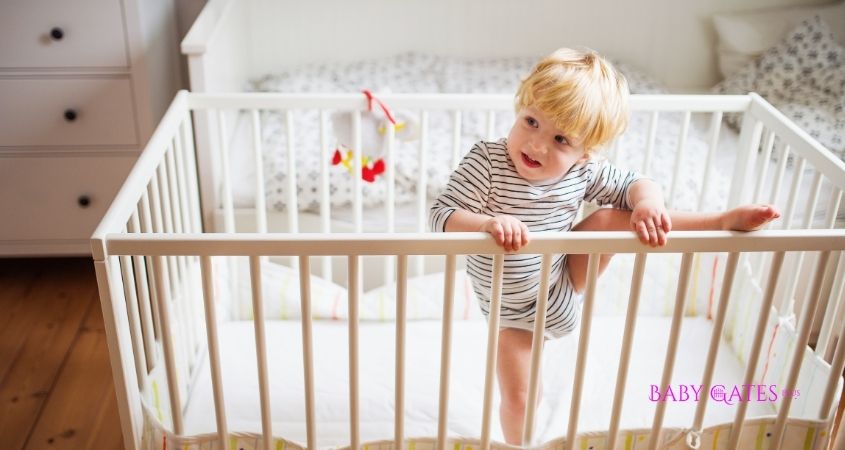
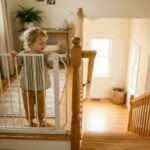
Cover sharp edges on furniture to protect little ones. Use safety gates to block stairs and dangerous areas. Keep small objects and choking hazards out of reach. Secure heavy furniture to the wall to avoid tipping. Install window guards to prevent falls. Use non-slip mats in the bathroom and kitchen. Store cleaning supplies and medicines in locked cabinets.
Senior-friendly Home Design
Ensure clear, wide pathways for easy movement. Add grab bars near toilets and showers. Use non-slip flooring throughout the home. Install bright, even lighting to reduce shadows. Choose lever handles for doors and faucets. Place frequently used items within easy reach. Avoid rugs or secure them firmly to prevent tripping. Use chairs with armrests for easier sitting and standing.
Supervision And Assistance Strategies
Check on children and seniors often. Encourage using assistive devices like walkers or canes. Teach children safe ways to move around. Help seniors with tasks that need balance or strength. Create a buddy system for extra support. Use alarms or monitors if needed. Keep emergency contacts handy and visible. Stay alert to changes in mobility or behavior.
Frequently Asked Questions
What Are Common Causes Of Falls At Home?
Common causes include slippery floors, loose rugs, poor lighting, cluttered walkways, and uneven surfaces. Identifying these hazards helps prevent falls effectively.
How Can I Improve Home Lighting To Prevent Falls?
Use bright, glare-free lighting in hallways, stairs, and bathrooms. Install night lights to ensure clear visibility during nighttime movements.
What Safety Modifications Reduce Fall Risks Indoors?
Install grab bars in bathrooms, secure loose rugs, use non-slip mats, and add handrails on stairs for better support and balance.
Which Exercises Help Prevent Falls In Elderly Adults?
Balance and strength exercises, like Tai Chi and leg lifts, improve stability. Regular physical activity reduces the risk of falls.
Conclusion
Preventing falls and injuries at home keeps everyone safer and happier. Small changes make a big difference in daily life. Clear clutter and fix loose rugs to avoid trips. Use proper lighting to see clearly in every room. Handrails and grab bars provide extra support where needed.
Staying alert and careful reduces accident risks. These simple steps help protect you and your loved ones. Stay safe by making your home a secure place to live. Safety starts with you—take action today.