Have you ever wondered when your baby will start talking? You watch them babble and smile, and you can’t wait to hear their first clear words.
But it’s normal to ask yourself, “Is my baby on track? ” Understanding when babies typically begin to talk can ease your mind and help you support your little one’s language skills. Keep reading to discover the key signs to look for and what you can do to encourage your baby’s first words.
This information will give you confidence and help you enjoy every step of your child’s amazing journey into speech.
Early vocal sounds are the first steps in a baby’s language journey. These sounds show that your baby is ready to start communicating. Listening and practicing these sounds helps babies learn to talk later. Each sound is a small milestone in their growth.
Cooing And Babbling Stages
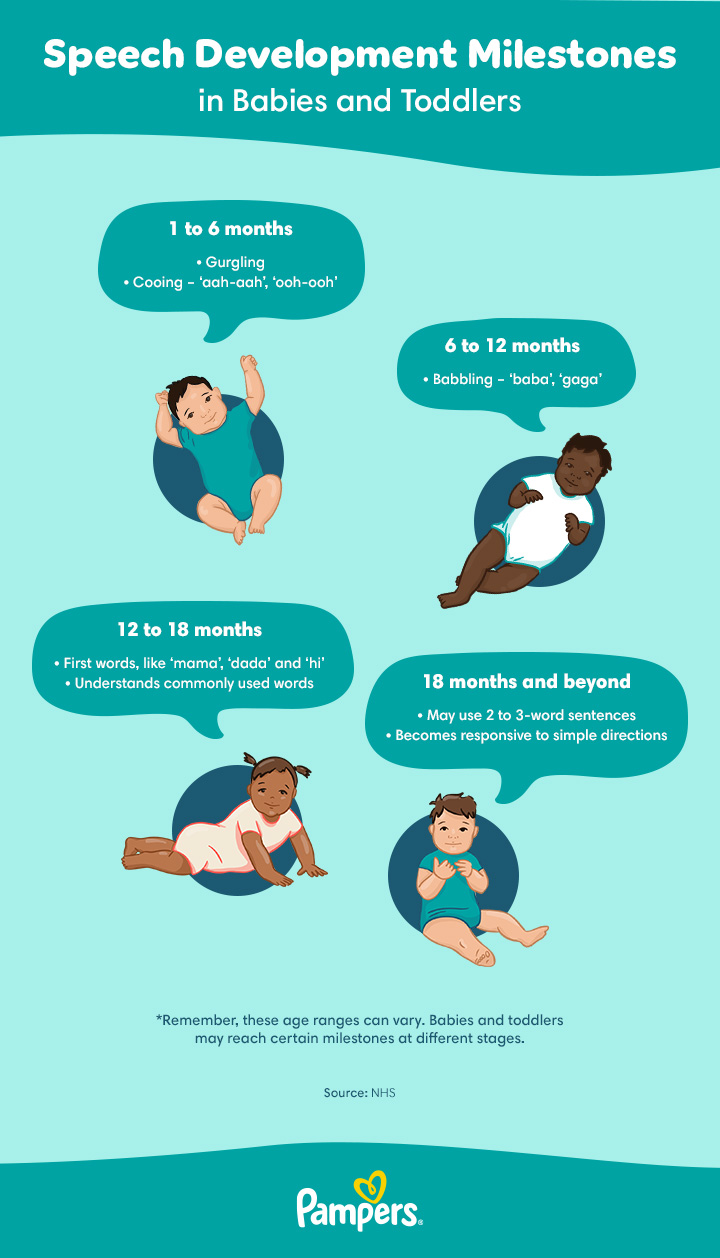
Cooing begins around 6 to 8 weeks old. Babies make soft vowel sounds like “oo” and “ah.” These sounds show comfort and curiosity. Babbling starts between 4 to 6 months. Babies combine consonants and vowels like “ba” or “da.” This stage is full of experimenting and learning to control their voice.
Recognizing Different Sounds
Babies start to recognize sounds from their environment early on. They react to voices, music, and noises around them. Recognizing familiar sounds helps babies connect words to meaning. Parents can encourage this by talking often and clearly to their baby. This practice builds a strong foundation for language skills.
First Words
Babies start to speak their first words as they grow and explore sounds. This is a big step in their language journey. Hearing their first clear words brings joy to parents and caregivers. These first words often show what interests or matters most to the child.
Understanding when and what babies say first helps us support their growth. Speech begins in small sounds and builds up to words. Recognizing common first words and timing can guide parents in encouraging speech development.
Common First Words
Most babies say simple words first. These include “mama,” “dada,” “ball,” and “no.” Words often relate to family members or favorite toys. Babies also learn words for everyday things like “milk” or “bye.” The words are easy to say and repeat sounds they hear often.
Repeating these words shows babies are learning how to speak. They use sounds to get attention or express needs. This early speech helps them connect with others and understand language better.
Timing For Initial Speech
Babies usually say their first words around 12 months old. Some may start a little earlier or later. By 18 months, many say several words and try to combine them. Speech timing varies but follows a general pattern.
Before words, babies babble and make sounds. This practice helps their mouth muscles get ready for speaking. Listening and talking to babies can speed up their word learning. Patience is key as every child grows at their own pace.
Language Milestones By Age
Babies learn to talk in stages. Their language skills grow as they get older. Knowing these milestones helps parents understand what to expect. It also shows when to support their child’s speech.
Each age group has its own key language skills. These skills build on each other. Watching your baby’s progress can be exciting and helpful.
Speech Progress At 6 To 12 Months
Babies start to make sounds beyond crying. They coo and babble, like “ba-ba” or “da-da.” These sounds are the first steps to real words. Babies also begin to recognize their name. They pay attention to voices and try to copy sounds.
Talking Developments At 12 To 18 Months
At this stage, babies say their first real words. These words usually name familiar people or objects. They may say “mama” or “ball.” Babies understand simple commands like “come here.” They also start to use gestures, like pointing or waving.
Vocabulary Growth From 18 To 24 Months
Vocabulary grows fast now. Toddlers use 50 or more words. They begin to combine two words, like “more juice.” Their speech becomes clearer. They understand many more words than they say. Toddlers ask simple questions and follow instructions better.
Speech development in babies depends on many factors. These factors shape how and when a baby starts talking. Understanding these helps caregivers support speech growth effectively.
Hearing And Listening Skills
Hearing is key to learning speech. Babies must hear sounds clearly to copy them. Listening helps babies recognize words and their meanings. Hearing problems can delay speech development. Early hearing tests can spot issues fast.
Social Interaction And Environment
Talking grows from social interaction. Babies learn speech by talking with adults and other children. A rich language environment helps babies practice words. Reading, singing, and talking boost speech skills. Quiet or isolated settings can slow speech progress.
Health And Developmental Concerns
Health issues can affect speech. Conditions like ear infections may cause delays. Developmental disorders can impact language skills too. Regular check-ups catch problems early. Early support helps babies overcome challenges.
Signs Of Delayed Speech
Babies start to talk at different times. Some speak their first words by 12 months, while others take longer. Watching your baby’s speech progress helps spot any delays early. Recognizing signs of delayed speech is important for timely support.
Delayed speech means your child is not meeting speech milestones on time. It can affect how they communicate and interact. Early attention can make a big difference in their growth and learning.
When To Be Concerned
Your baby is not babbling by 12 months. They do not say simple words like “mama” or “dada” by 16 months. They have trouble understanding simple instructions by 18 months. Your baby rarely makes eye contact or uses gestures like pointing. Their speech is hard to understand after age 2. They seem to lose any words they knew before. These signs suggest it is time to seek advice from a doctor or speech therapist.
Common Causes Of Delay
Hearing problems can slow speech development. Babies who cannot hear well miss sounds and words. Developmental disorders such as autism affect communication skills. Some children have speech delays with no clear cause. Family history can play a role in speech delays. Environmental factors like limited talking and reading also affect speech growth.
Encouraging baby talk is an important step in helping your child develop language skills. Talking with your baby often builds a strong foundation for communication. Babies learn best through interaction and play. You can support their speech by creating a rich language environment.
Simple activities and responsive communication help babies understand and use words. Your attention and reactions make your baby feel heard and motivated to speak. This early practice shapes their ability to express themselves clearly.
Activities To Promote Speech
Playing with your baby using toys or pictures invites them to name objects. Reading books aloud introduces new words and sounds. Singing songs with repetitive words helps babies remember language patterns. Imitating your baby’s sounds encourages them to try new words. Pointing to things and naming them teaches word-object connection.
Using Responsive Communication
Listen carefully to your baby’s sounds and gestures. Respond with words that match what they express. Repeat their sounds and add simple words to show understanding. Ask questions using simple language to invite your baby to respond. Smile and maintain eye contact to build trust. This back-and-forth helps babies learn how conversations work.
When To Seek Professional Help
Knowing when to seek professional help for your baby’s speech is important. Some delays are normal, but others need expert care. Early support can improve your child’s communication skills.
Trust your instincts. If your baby shows little interest in sounds or words by 18 months, take action. Missing milestones like babbling or pointing can signal a problem.
Speech Therapy Options
Speech therapy helps children learn to talk and communicate better. Therapists use fun activities to encourage speech and language skills. Therapy can start as early as one year old.
Therapists work with families to practice skills at home. Sessions focus on sounds, words, and understanding language. Progress varies, but early therapy often leads to better results.
Pediatrician Consultations
Your pediatrician monitors your baby’s development at regular checkups. Mention any concerns about speech or hearing. The doctor can check for medical issues affecting speech.
Pediatricians may refer you to a speech therapist or specialist. They help rule out hearing loss or other conditions. Early diagnosis and treatment improve outcomes for your child.
Credit: www.sepr.es
Frequently Asked Questions
When Do Babies Typically Say Their First Word?
Babies usually say their first word around 12 months old. This milestone varies, but many start speaking simple words between 9 to 14 months. Early words often include “mama” or “dada,” reflecting their close bonds and early communication efforts.
How Can I Encourage My Baby To Start Talking?
Talk to your baby regularly using clear, simple words. Read books, sing songs, and respond to their sounds. These activities boost language skills and help babies connect words with meaning, encouraging early speech development.
What If My Baby Isn’t Talking By 18 Months?
If your baby isn’t speaking by 18 months, consider consulting a pediatrician. Delayed speech can have many causes, including hearing issues or developmental delays. Early evaluation ensures timely support and intervention if needed.
When Do Babies Understand More Words Than They Speak?
Babies often understand many words before speaking them, usually by 9 to 12 months. Receptive language develops earlier than expressive language. Recognizing familiar names, objects, and simple commands shows growing comprehension skills.
Conclusion
Babies usually start talking between 9 and 18 months. Every child grows and learns at their own pace. Parents should listen and talk often to help language skills. Simple words and clear speech make a big difference. If speech seems delayed, a doctor can offer advice.
Patience and support create a strong foundation for talking. Remember, early sounds and gestures are important first steps. Enjoy each moment as your baby learns to speak.