Nothing feels more exhausting than when your baby just won’t nap. You’ve tried everything, but those peaceful moments of rest seem out of reach.
If you’re nodding along, you’re not alone—and the good news is, there are simple, effective things you can try right now to help your little one settle down. You’ll discover 10 practical tips that could turn those nap struggles into calm, quiet breaks.
Keep reading, because a well-rested baby means a happier you.
Creating a consistent nap routine helps your baby feel safe and calm. Babies thrive on predictability. A steady routine signals that it is time to rest. This can reduce fussiness and resistance to naps. Consistency also helps regulate your baby’s internal clock. Over time, naps become easier and more peaceful.
Set A Regular Nap Schedule
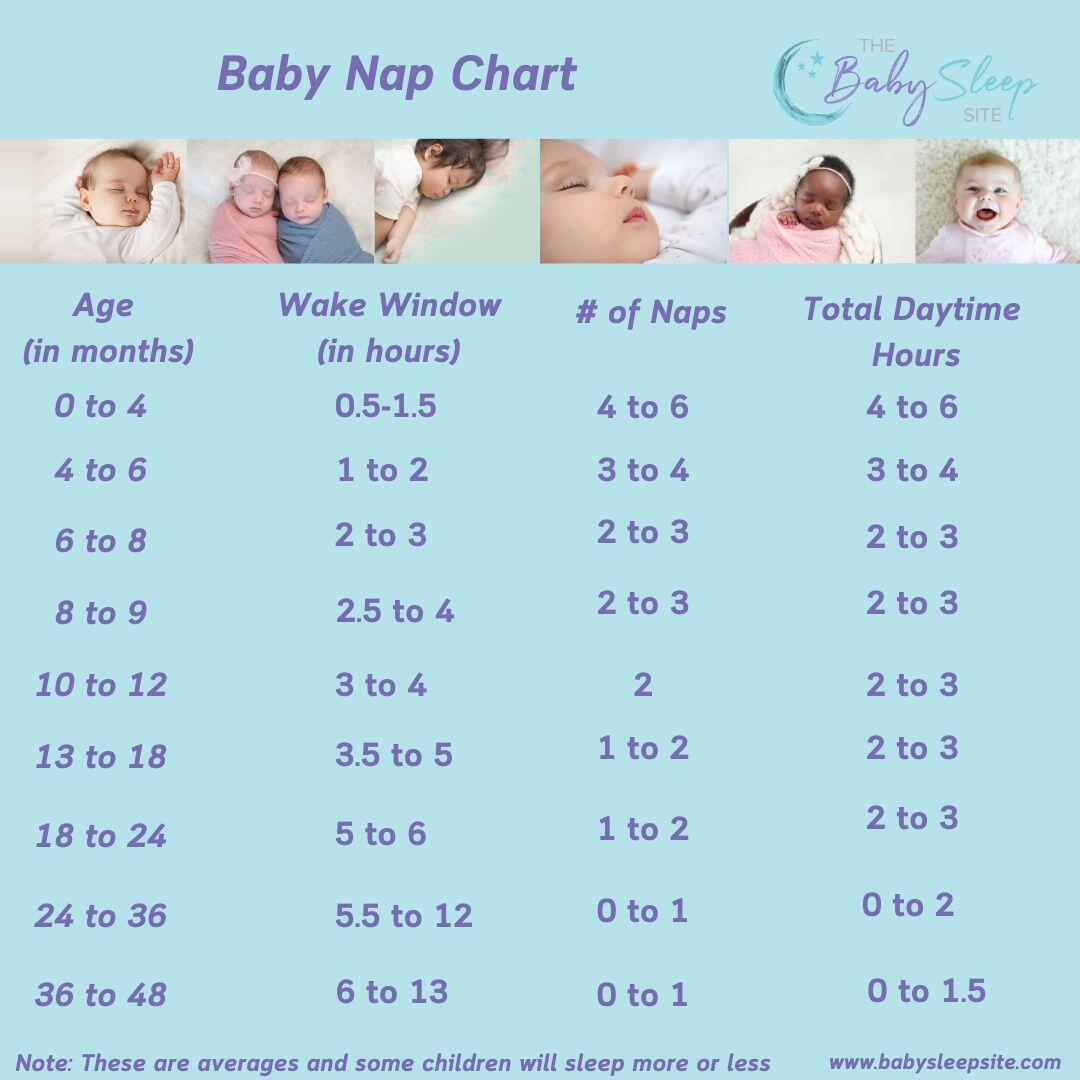
Choose specific times for naps each day. Babies need naps at roughly the same time daily. This builds a natural rhythm. Watch your baby’s sleepy cues to find the best times. Try to keep nap times within 30 minutes of the chosen schedule. Consistency helps your baby’s body prepare for sleep. Avoid letting your baby skip naps or nap too late.
Establish A Pre-nap Ritual
A calming pre-nap routine signals sleep time. Keep it simple and short, about 10 to 15 minutes. This may include reading a book or singing softly. Dim the lights and lower noise levels. Use the same activities every nap time. Your baby will learn to associate these actions with rest. This routine helps them relax and fall asleep faster.
Optimize The Sleep Environment
Creating the right sleep environment helps your baby feel calm and ready to nap. Small changes in the room can make a big difference. Focus on the room temperature, sound, and lighting to improve your baby’s sleep quality.
Control Room Temperature
Keep the room cool but comfortable. Ideal temperature is between 68 and 72 degrees Fahrenheit. A room that is too hot or too cold can disturb your baby’s sleep. Use a fan or heater carefully to maintain steady warmth. Avoid heavy blankets or too many clothes that could cause overheating.
Use White Noise Or Soft Music
White noise helps block sudden sounds that might wake your baby. Soft music or gentle sounds create a soothing atmosphere. Use a white noise machine or a phone app on a low volume. Keep the noise consistent to help your baby relax and fall asleep faster.
Ensure Proper Lighting
Dim the lights or use blackout curtains to create darkness. Darkness signals your baby’s body that it is time to sleep. Avoid bright lights or screens near nap time. Soft, warm lighting can be used during bedtime routines to calm your baby before sleep.
Watch For Sleep Cues
Watching for sleep cues can make nap time smoother for your baby. Babies give signs when they feel sleepy. Catching these signs early helps you put your baby down at the right time. This reduces fussiness and makes napping easier. Understanding sleep cues also prevents your baby from becoming overtired. Overtired babies find it harder to fall asleep and stay asleep.
Identify Signs Of Tiredness
Look for rubbing eyes or yawning. These are clear signs your baby feels sleepy. Some babies become quiet and less active. Others might get fussy or cranky. Notice if your baby loses interest in toys or surroundings. These signs show it is time for a nap. Early naps help your baby rest well and grow strong.
Avoid Overstimulation Before Naps
Keep the environment calm before nap time. Loud noises and bright lights can keep babies awake. Turn down the volume of music or TV. Lower the lights in the room. Avoid rough play or too much excitement. Gentle rocking or quiet reading can help your baby relax. A peaceful setting makes it easier for your baby to fall asleep quickly.
Adjusting your baby’s nap timing can help solve nap troubles. Small changes in nap schedules might make a big difference. Babies have different sleep needs. Finding the right timing can help your baby fall asleep easier and stay asleep longer.
Experiment With Different Nap Lengths
Try shorter naps if your baby fights longer ones. Some babies do better with brief naps. Other babies need longer naps to feel rested. Watch your baby’s mood after naps. Adjust nap length based on how your baby acts. Keep trying until you find the best nap length.
Space Out Naps Appropriately
Give enough time between naps to avoid overtiredness. Too close naps can confuse your baby’s sleep cycle. Too far apart naps might cause crankiness. Check how long your baby stays awake comfortably. Set nap times with proper gaps to keep balance. A good nap schedule helps your baby relax and sleep well.
Limit Screen Time Before Naps
Limiting screen time before naps can help your baby fall asleep easier. Screens emit light that affects the brain. This makes it hard for babies to feel sleepy. Reducing exposure to screens can calm their mind. It prepares them for restful sleep.
Understand Blue Light Effects
Blue light from screens tricks the brain into thinking it is daytime. This stops the production of melatonin, the sleep hormone. Without enough melatonin, your baby may resist naps. Tablets, phones, and TVs all emit this light. Avoid screens at least 30 minutes before nap time. This helps your baby’s body get ready to rest.
Introduce Calming Activities Instead
Replace screen time with quiet, soothing activities. Reading a short story or singing soft songs works well. Gentle rocking or cuddling can also relax your baby. These activities lower stress and signal it is time to sleep. They create a peaceful environment perfect for napping.
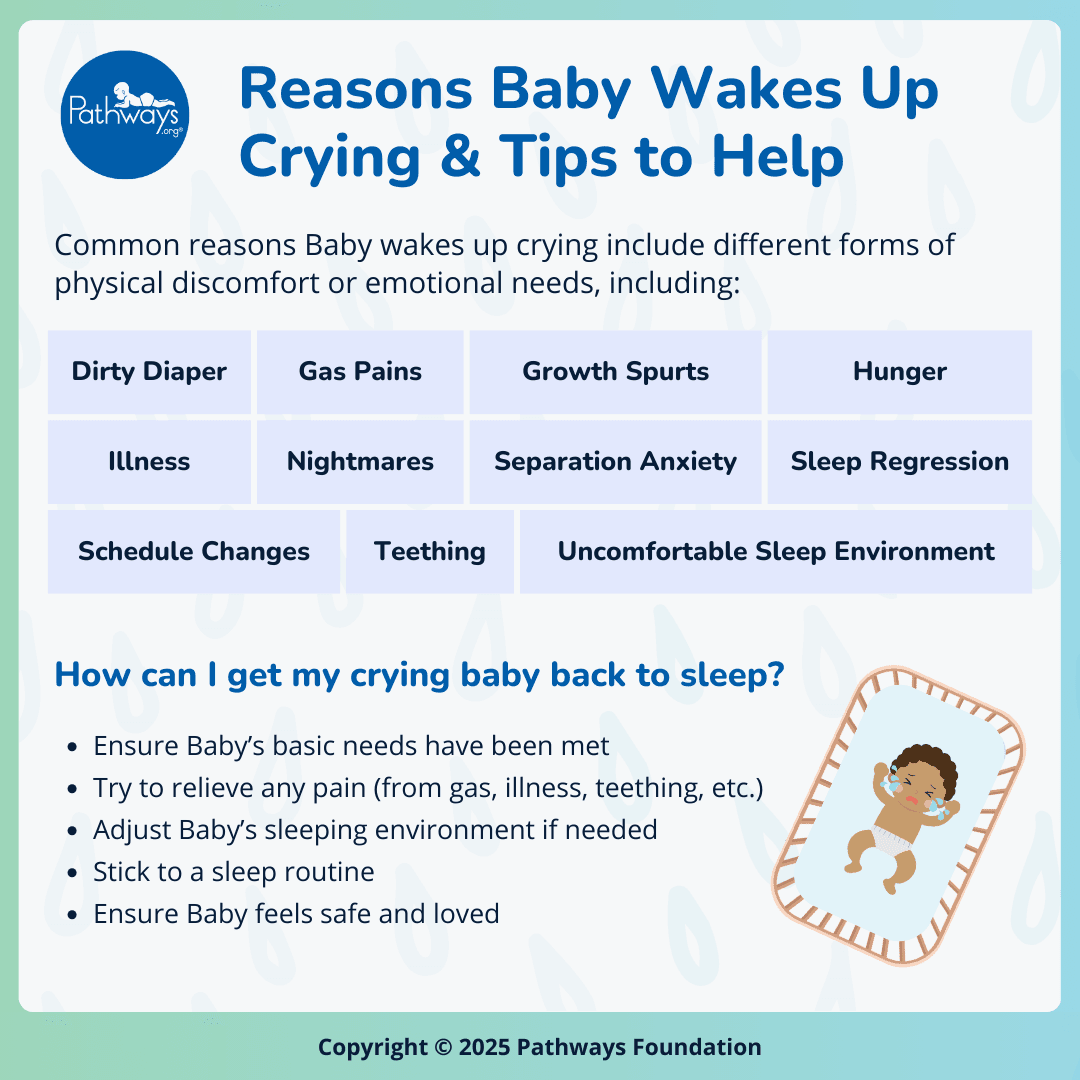
Credit: pathways.org
Use Gentle Sleep Techniques
Using gentle sleep techniques can help soothe your baby and make naptime easier. These calm methods create a peaceful environment. They help your baby feel safe and ready to rest.
Gentle techniques are kind and slow. They help your baby relax without stress. This approach can reduce fussiness and improve sleep quality.
Try Rocking Or Swaddling
Rocking your baby gently mimics the motion they felt in the womb. It can calm their mind and body. Use a soft rocking chair or hold your baby close. Move slowly and steadily.
Swaddling helps babies feel secure. Wrap your baby snugly in a light blanket. This keeps their arms close to their body. It stops sudden movements that might wake them.
Practice Soothing Touch Or Massage
Soft touch can calm a restless baby. Use gentle strokes on their back, arms, or legs. This helps lower their heart rate and stress levels.
A gentle massage before naptime can relax muscles. Use baby-safe oil or lotion. Keep movements slow and smooth. This creates a comforting routine your baby will enjoy.
Address Hunger And Comfort
Babies often refuse to nap because they feel hungry or uncomfortable. Hunger can keep them wide awake, making rest impossible. Comfort matters too. A wet diaper or tight clothes can distract your little one from sleep. Paying attention to these simple needs helps your baby relax and fall asleep more easily.
Feed Before Nap Time
Offer a feeding just before nap time. A full tummy calms babies and eases sleep. Watch for hunger signs like fussiness or sucking on hands. Feeding helps them settle down quickly. Avoid feeding too much or too little. Aim for a comfortable, satisfied baby ready to rest.
Check Diaper And Clothing Comfort
Make sure the diaper is clean and dry. A wet or dirty diaper makes babies restless. Also, check the clothes. Choose soft, breathable fabrics that are not too tight. Avoid tags or seams that may irritate sensitive skin. Comfort allows your baby to relax and sleep peacefully.
Incorporate Physical Activity
Physical activity plays a key role in helping babies nap better. Moving around helps them use energy, making it easier to rest. Simple activities can calm the mind and body. This section explains how to add physical activity before nap time.
Encourage Play Before Naps
Playtime before naps helps babies feel tired. Gentle crawling, rolling, or light bouncing can work well. Toys that move or make sounds encourage movement. Short play sessions help your baby relax afterward. Keep play calm to avoid overexciting your child.
Balance Energy Levels For Better Sleep
Too much or too little activity affects naps. Watch your baby’s energy to find the right balance. Active play should tire but not overwhelm. Quiet moments after play help the body slow down. A balanced routine supports smoother sleep patterns.
Manage Daytime Stimulation
Managing daytime stimulation plays a key role in helping your baby nap better. Too much excitement can make it hard for babies to settle down. Finding the right balance between activity and calm helps prepare their little bodies for rest. This section explains how to manage stimulation during the day to improve napping.
Create Calm Periods
Set aside quiet times during the day. These calm periods help your baby relax and recharge. Dim the lights and lower noise levels to make the environment soothing. Soft music or gentle rocking can also calm your baby. These breaks reduce stress and make it easier for your baby to nap.
Avoid Overexciting Activities
Limit play that is too loud or energetic near nap times. Roughhousing, loud toys, or bright screens can overstimulate your baby. Choose gentle activities like reading or cuddling instead. This helps your baby wind down and feel sleepy. Keep excitement low before nap time to encourage rest.
Consulting pediatric sleep experts can help when your baby won’t nap. These professionals understand baby sleep patterns deeply. They offer advice tailored to your child’s specific needs. Their guidance can ease your stress and improve your baby’s rest. Knowing when and how to seek their help is important.
Recognize When To Seek Help
Notice if your baby struggles with sleep daily. Look for signs like constant fussiness or very short naps. If your baby wakes up often at night, it might be time. Sleep problems that last more than two weeks need attention. Experts can spot issues parents might miss.
Explore Professional Sleep Training Options
Experts use gentle methods to teach babies healthy sleep habits. They create plans that fit your family’s lifestyle. These plans can include routines, soothing techniques, and sleep environment changes. Professional support often leads to better sleep for everyone. Try a consultation to find the best approach for your baby.
Frequently Asked Questions
Why Won’t My Baby Nap During The Day?
Babies resist naps due to overtiredness, hunger, or discomfort. Establish a consistent routine and a quiet, dark environment to encourage sleep.
How Can I Create A Better Nap Environment?
Use blackout curtains, white noise machines, and keep the room cool. These elements help your baby feel safe and calm, promoting better naps.
What Are Signs My Baby Is Ready For A Nap?
Look for yawning, rubbing eyes, or fussiness. These cues signal tiredness, indicating it’s time to start your baby’s nap routine promptly.
Should I Change My Baby’s Nap Schedule If They Won’t Sleep?
Yes, adjust nap times based on your baby’s sleepy cues. Flexibility helps meet their changing sleep needs and improves nap success.
Conclusion
Trying different ideas can help your baby nap better. Stay calm and patient through the process. Babies need time to adjust to new routines. Watch your baby’s cues and respond kindly. Small changes often lead to big improvements. Consistency is key to helping your baby rest well.
Don’t give up if one method fails. Keep trying until you find what works best. A happy baby means a happier family too. Sleep challenges are normal and will pass soon.