Disciplining a toddler can feel overwhelming, confusing, and sometimes downright frustrating. You want to guide your little one toward good behavior, but you also want to keep your relationship strong and loving.
How do you find the right balance without losing your patience or feeling guilty? This article will give you simple, effective tips that actually work. By the end, you’ll feel more confident and ready to handle those challenging moments with calm and care.
Keep reading—you’re about to discover ways to make discipline a positive part of your daily routine.
Toddlers test limits as part of their natural growth. This behavior helps them learn about the world and themselves. Testing boundaries is not about being naughty. It is a way for toddlers to explore what is safe and what is not. Understanding why toddlers act this way helps parents guide them better. It supports positive discipline and builds a strong bond.
Developmental Milestones And Behavior
Toddlers reach many new skills quickly. They learn to walk, talk, and solve simple problems. These milestones boost their confidence and desire to try new things. Testing limits shows their growing mind at work. They want to see how things respond to their actions. This is a key step in learning cause and effect. Toddlers also start to understand rules but cannot follow them fully yet.
The Role Of Curiosity And Independence
Curiosity drives toddlers to explore everything around them. They want to touch, taste, and move objects. This natural urge helps them learn about their environment. Independence also grows during this time. Toddlers want to do things by themselves. Testing limits is a way to show their new skills and control. Parents can support this by giving safe choices and clear boundaries. This helps toddlers feel secure and confident.
Setting Clear Boundaries
Setting clear boundaries helps toddlers learn what is okay and what is not. It gives them a safe space to explore and grow. Boundaries teach respect and self-control. Toddlers feel more confident when they know the limits.
Parents must be patient and firm. Boundaries should be simple and easy to follow. Consistency is key to making these rules work well.
Consistent Rules For Toddlers
Toddlers need the same rules every day. Changing rules often confuses them. Consistent rules help toddlers understand what to expect. It makes their world more predictable and secure.
Parents should agree on the rules together. This keeps the message clear. Follow through with consequences each time a rule is broken. This shows toddlers that rules matter.
Using Simple Language
Use short and clear sentences. Avoid complicated words or long explanations. Toddlers understand better when language is simple.
Speak calmly and kindly. Use words like “stop,” “no,” and “wait.” Point and show actions when needed. This helps toddlers connect words with meaning.
Repeat the rules often. Practice helps toddlers remember and follow boundaries.
Positive Reinforcement Techniques
Positive reinforcement is a key method to guide toddlers’ behavior. It encourages good actions by rewarding them. This method helps toddlers learn what behavior is expected.
Positive reinforcement builds confidence and strengthens bonds. Toddlers respond well to praise and rewards. These techniques create a happy and supportive learning environment.
Praising Good Behavior
Praise lets toddlers know they did something right. Use clear and simple words like “Good job!” or “Well done!”
Focus on specific actions, such as sharing toys or listening. This helps toddlers understand exactly what you like.
Be genuine and enthusiastic with your praise. It motivates toddlers to repeat good behavior.
Use praise often, but keep it balanced. Too much can lose its effect.
Reward Systems That Work
Reward systems encourage toddlers to keep behaving well. Stickers, small toys, or extra playtime work well.
Create a simple chart to track good behavior. Toddlers enjoy seeing their progress.
Choose rewards that fit your toddler’s interests. This makes the reward more meaningful.
Use rewards as a guide, not a bribe. The goal is to teach, not just to give things.
Effective Time-out Strategies
Time-out is a popular way to help toddlers learn about limits. It works best when done calmly and clearly. Using time-out right helps your child understand that some behaviors are not okay. It also gives them a chance to calm down and think. Here are some tips on how to make time-outs effective.
Choosing The Right Spot
Pick a quiet place with no toys or distractions. The spot should be safe and easy to reach. Avoid places that feel like a punishment zone. The goal is to have a calm, simple area. This helps your toddler focus on calming down. A chair or a small corner works well. Make sure it is consistent every time.
Timing And Duration Tips
Start the time-out immediately after the misbehavior. Delays make it harder for toddlers to connect the action and consequence. Keep the time short. One minute per year of age is a good rule. For example, a two-year-old’s time-out should last two minutes. Use a timer to avoid guessing. End the time-out calmly and with clear words.
Redirecting negative behavior helps toddlers learn right from wrong without harsh discipline. It guides them gently toward better actions. Toddlers have short attention spans. Redirecting focuses their energy on positive activities. This method reduces tantrums and frustration for both parents and children.
Offering Alternatives
Offer your toddler a different, safe activity when they act out. For example, if they throw toys, suggest building blocks instead. This shows them what is okay to do. It teaches control in a positive way. Saying, “Let’s play with the blocks,” shifts their attention smoothly.
Keeping Distractions Handy
Keep small toys or books nearby to distract your toddler quickly. Distractions help stop bad behavior before it starts. They give your child something fun to focus on. Carrying a favorite toy during outings can prevent trouble. Distractions work best when introduced before frustration grows.
Managing Tantrums Calmly
Managing tantrums calmly is key to helping toddlers learn about emotions. Tantrums can be loud and stressful for both parents and children. Staying calm during these moments helps your toddler feel safe and understood. This approach teaches them how to handle strong feelings.
Staying Calm During Outbursts
Take deep breaths to steady yourself. Speak in a soft and gentle voice. Avoid yelling or showing frustration. Your calmness can help lower your toddler’s upset feelings. Stand or sit at their level to connect better. Giving space can also prevent the situation from getting worse. Keep your face relaxed. This shows that you are in control.
Helping Toddlers Express Emotions
Encourage your toddler to use words or gestures. Say simple phrases like “I see you are angry.” Offer choices to help them feel in control. Use books or toys to show feelings. Teach words like “sad,” “mad,” and “happy.” Praise your toddler when they express emotions well. This builds their confidence to handle feelings.
Building Emotional Intelligence
Building emotional intelligence in toddlers helps them understand their feelings. It also teaches them to recognize emotions in others. This skill is key to better behavior and stronger relationships.
Teaching young children about emotions creates a solid foundation. It improves their communication and reduces tantrums. Toddlers learn to express themselves in healthy ways.
Teaching Empathy Early
Empathy means feeling what others feel. Start by naming emotions for your toddler. Say things like, “You look sad,” or “She is happy.” This helps children see feelings in themselves and others.
Read stories with emotional themes. Ask your child how a character might feel. Encourage them to think about others’ feelings. Praise kind actions to reinforce empathy.
Encouraging Sharing And Cooperation
Sharing teaches toddlers to care about others’ needs. Offer chances to share toys or snacks with friends. Explain why sharing makes playtime fun for everyone.
Cooperation builds teamwork. Use simple group tasks like cleaning up toys together. Celebrate small successes to motivate your toddler. These habits help them work well with others.
Routine and consistency play a big role in disciplining toddlers. Toddlers feel safer and behave better when they know what to expect. A set routine helps children learn limits and understand rules. It also reduces tantrums and confusion. Caregivers who stay consistent with rules and schedules make discipline easier.
Daily Schedules That Support Behavior
Daily schedules give toddlers clear guidance on what happens next. Regular meal, play, and sleep times create a smooth flow to the day. Toddlers adjust well to repeated patterns. They learn to cooperate because they feel in control. Predictable schedules help children avoid frustration and act out less. Keeping activities and rest balanced supports good behavior.
Predictability And Security
Predictability gives toddlers a sense of security. When routines stay the same, toddlers trust their environment. This trust lowers anxiety and increases cooperation. Consistent rules show toddlers what is allowed and what is not. They understand boundaries better. Feeling safe encourages toddlers to explore and learn without fear. Discipline becomes a natural part of their daily life.
When To Seek Professional Help
Disciplining a toddler can be tough. Sometimes, usual methods don’t work well. Knowing when to get professional help is important. Early support can prevent bigger problems later. Professionals offer advice tailored to your child’s needs. They can guide you through challenging behaviors.
Recognizing Persistent Challenges
Some behaviors last longer than expected. Tantrums that happen daily and last too long may signal a problem. Aggression or extreme fear can also be signs. When your child does not respond to discipline, it may be time to ask for help. Watch for changes in sleep, eating, or social skills. These can show that your child needs extra support.
Finding Support Resources
Many places offer help for parents and toddlers. Pediatricians can give advice or recommend specialists. Child psychologists or counselors understand toddler behavior well. Parenting classes and support groups help you learn new techniques. Online resources and books can also be useful. Choose the option that fits your family best.
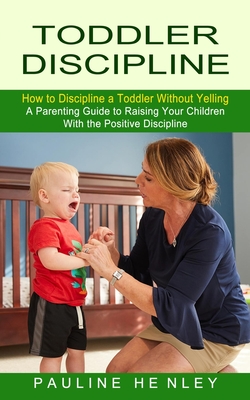
Credit: parnassusbooks.net
Credit: www.youtube.com
Frequently Asked Questions
How Do I Set Boundaries For My Toddler?
Setting clear, consistent boundaries helps toddlers understand expectations. Use simple rules and explain consequences calmly. Consistency builds security and encourages good behavior.
What Is The Best Discipline Method For Toddlers?
Positive reinforcement is effective for toddlers. Praise good behavior and redirect unwanted actions. Avoid harsh punishment to promote trust and learning.
How Can I Handle Toddler Tantrums Effectively?
Stay calm and patient during tantrums. Offer comfort and distract with activities. Set limits gently but firmly to teach self-control.
When Should I Start Disciplining My Toddler?
Discipline should begin around age 1 to 2 years. At this stage, toddlers start testing limits and understanding rules.
Conclusion
Disciplining a toddler takes patience and consistency. Keep rules clear and simple. Praise good behavior often. Set limits with kindness and firmness. Stay calm during tough moments. Toddlers learn best from love and clear guidance. Small steps lead to big changes.
Trust yourself and keep trying. Every child grows in their own time. You can help your toddler learn and grow well.