When it comes to personal hygiene, you want to make sure you’re using products that are safe and gentle for your most sensitive areas. You might be wondering, can you use baby soap to clean your private parts?
It sounds like a simple solution since baby soap is known for being mild, but is it really the best choice for you? You’ll discover the truth about baby soap and your intimate care. Keep reading to learn what experts say and how to keep yourself feeling fresh and comfortable every day.
Read More – Can You Use Baby Wipes On Face: Safe or Risky Skincare Tips?
Why Hygiene Matters For Private Areas
Keeping private areas clean is important for health and comfort. Good hygiene helps prevent infections and irritation. These areas are delicate and need gentle care. Choosing the right products matters to protect the skin and maintain balance.
Understanding why hygiene matters helps you make better choices for your body. It supports your overall well-being and helps avoid common problems.
Skin Sensitivity In Intimate Areas
Skin in private areas is thinner and more delicate than other parts. It can easily get irritated by harsh soaps or strong fragrances. Using mild products helps prevent redness and discomfort. Gentle cleansing respects the sensitive skin and keeps it healthy.
Common Causes Of Irritation
Irritation can come from many sources. Fragrant soaps, tight clothing, and sweating can cause discomfort. Using products not made for intimate areas can upset the skin’s natural barrier. Avoiding harsh chemicals reduces the chance of itching and burning.
Role Of Ph Balance
Private areas have a natural pH that keeps bacteria in check. This pH is usually acidic, around 4 to 5. Using soaps with a different pH can disrupt this balance. Disruption may lead to infections or unpleasant odor. Choosing products that match the skin’s pH helps maintain health and freshness.
What Makes Baby Soap Different
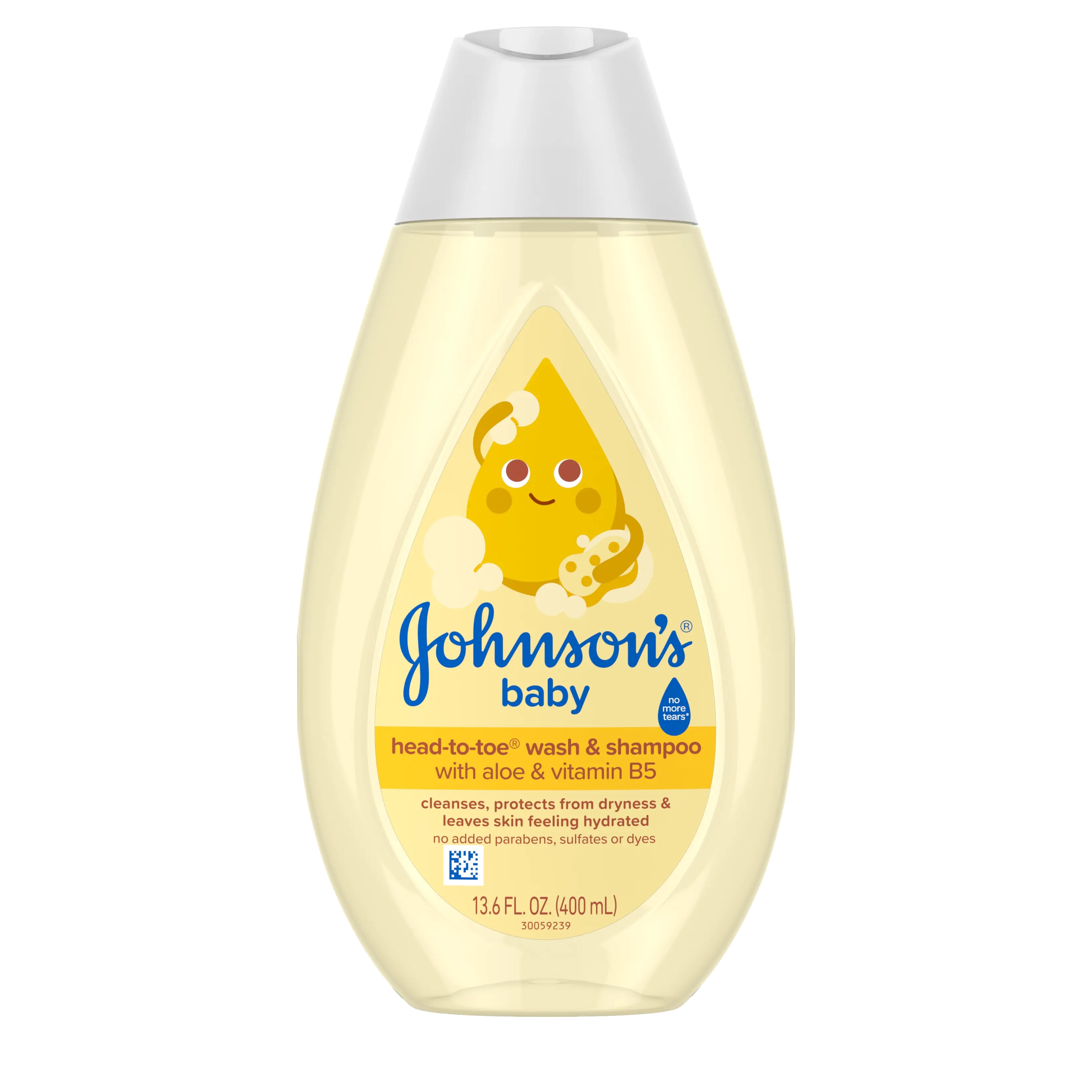
Baby soap stands apart from regular soaps due to its unique formulation. It is designed for delicate and sensitive skin. This makes it a popular choice for people who want a mild cleansing option. Understanding what makes baby soap different helps in deciding if it suits your personal hygiene routine.
Let’s explore the main features of baby soap, focusing on its ingredients, gentleness, and fragrance.
Ingredients In Baby Soap
Baby soaps contain mild ingredients that clean without harsh effects. They often include natural oils and gentle cleansing agents. These ingredients avoid drying out the skin. They are free from strong chemicals and irritants found in many adult soaps.
Gentleness And Hypoallergenic Properties
Baby soap is made to be gentle on sensitive skin. It is usually hypoallergenic, reducing the risk of allergic reactions. This means fewer chances of redness, itching, or irritation. Its gentle nature makes it safe for sensitive parts of the body.
Fragrance And Additives
Baby soaps often have a light, natural fragrance or no fragrance at all. They avoid strong perfumes and dyes that can irritate the skin. Additives are kept to a minimum to protect sensitive skin. This helps maintain skin’s natural balance and health.
Using Baby Soap On Private Parts
Many people wonder if baby soap is safe for cleaning private parts. Baby soaps are known for their gentle formulas. They are made for sensitive baby skin. This makes them less harsh than regular soaps.
Using baby soap on private parts might seem like a safer option. The skin in those areas is delicate. It needs mild cleansing to avoid irritation or dryness. Baby soap can be a good choice, but it has both good and bad sides.
Pros And Cons
Baby soap is usually free from strong chemicals. It often has fewer fragrances and dyes. This can reduce the chance of allergic reactions. The soap is also gentle and less drying.
On the downside, some baby soaps still contain ingredients that may upset sensitive skin. They might not balance the natural pH of private areas. This can sometimes cause discomfort or dryness. Not all baby soaps are created equal.
Expert Recommendations
Doctors suggest using mild, unscented soaps for private parts. They recommend products made for sensitive skin. Avoid soaps with harsh chemicals or strong fragrances. Experts say water alone is often enough for daily cleaning.
For women, maintaining the natural pH of the vagina is important. Experts suggest special intimate washes if needed. Men should also choose gentle cleansers to avoid irritation.
Risks Of Using Regular Soaps
Regular soaps can be too strong for private skin. They often have high pH levels that disrupt natural balance. This can lead to dryness, itching, or infections. Some soaps contain perfumes that cause irritation.
Using harsh soaps regularly may harm the natural bacteria. This bacteria protects against harmful germs. Damaging it increases the risk of infections. Choosing the right soap helps maintain healthy skin.
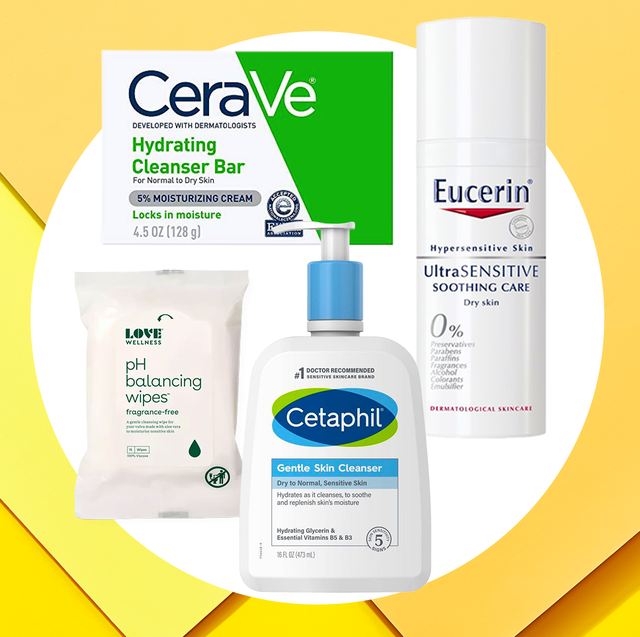
Choosing the right product for cleaning your private parts is important. Baby soap is gentle but not always the best choice. There are other options designed for intimate care. These alternatives help maintain the natural balance and protect sensitive skin.
Specialized Intimate Cleansers
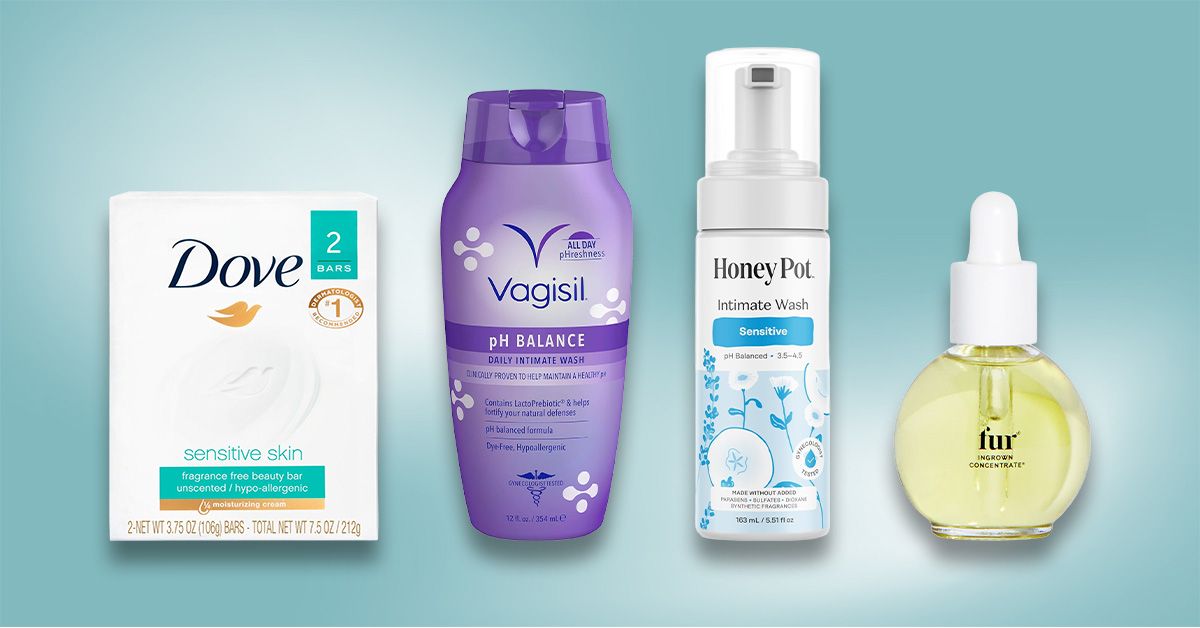
Specialized intimate cleansers are made for private areas. They have a balanced pH to avoid irritation. These products often include soothing ingredients like aloe vera or chamomile. They clean gently without disrupting natural flora. Many are fragrance-free to reduce allergy risk.
Natural And Diy Options
Natural options can be mild and effective. Plain water is often enough for daily cleaning. Some people use diluted apple cider vinegar for its antibacterial effect. Coconut oil may help soothe dry skin. Avoid harsh soaps or strong chemicals in homemade mixes.
When To See A Doctor
Visit a doctor if you notice itching or unusual discharge. Pain or redness that lasts also needs medical attention. Persistent odor or swelling can signal infection. Do not rely only on soap if symptoms continue. Early care helps prevent serious problems.
Tips For Safe Intimate Hygiene
Taking care of your intimate area is important for health and comfort. Using the right methods can keep you fresh and avoid irritation. These tips help you maintain safe and gentle hygiene every day.
Proper Washing Techniques
Use warm water to rinse the area gently. Avoid scrubbing hard, as this can cause irritation. Clean only the outside parts. Do not insert soap or wash inside. Pat dry with a soft towel after washing.
Frequency Of Cleaning
Wash your intimate area once a day. More often can remove natural oils and cause dryness. After sweating or exercise, a gentle wash is fine. Always keep the area clean but avoid overwashing.
Avoiding Common Mistakes
Do not use strong soaps or scented products. These can upset the natural balance and cause itching. Avoid douching or using harsh wipes. Wear breathable cotton underwear to keep the area dry. Change underwear daily to prevent bacteria build-up.
Yes, baby soap can cause irritation due to its fragrance and ingredients. Private areas need gentle, pH-balanced products to avoid discomfort or infections.
Is Baby Soap Safe For Intimate Hygiene Daily Use?
Baby soap is mild but not ideal for daily intimate hygiene. Specialized cleansers maintain the natural pH and protect delicate skin better.
What Are The Risks Of Using Baby Soap Privately?
Using baby soap privately may disrupt natural flora and cause dryness or itching. It lacks the tailored formula needed for intimate care.
How Does Baby Soap Compare With Feminine Wash Products?
Baby soap is gentle but not designed for vaginal pH. Feminine washes are specifically formulated to maintain balance and prevent irritation.
Conclusion
Baby soap is gentle but not made for private parts. These areas need special care and pH balance. Using the wrong soap can cause irritation or dryness. Choose products made for intimate hygiene instead. Always listen to your body’s response.
Keep your routine simple and safe for comfort. Cleanliness matters, but so does protection. Trust products designed for your sensitive skin. Your health deserves careful attention every day.