Becoming a new parent is an exciting adventure filled with joy and challenges. But with all the happiness, your baby’s safety becomes your top priority.
You want to protect your little one from harm and create a secure environment where they can grow and explore. This guide shares simple, practical baby safety tips you can use right now to keep your child safe at home and beyond.
Keep reading to discover easy ways to prevent accidents and feel confident in your parenting every step of the way. Your baby’s well-being depends on it—and you’re about to learn how to make it happen.
Safe Sleep Practices
Safe sleep practices help protect your baby during their most vulnerable time. A secure sleep environment lowers the risk of sudden infant death syndrome (SIDS) and other sleep-related dangers. Every new parent should follow clear guidelines to create a safe sleeping space for their child.
Choosing The Right Crib
Select a crib that meets current safety standards. Look for sturdy construction and no missing parts. The mattress should fit snugly without gaps. Avoid cribs with drop-side rails, as they can be hazardous. Always check for recalls before buying a used crib.
Proper Sleep Position
Place your baby on their back to sleep. This position reduces the risk of SIDS significantly. Avoid putting your baby on their stomach or side. Use a firm mattress to support your baby’s body evenly. Once your baby can roll over, let them find their own sleep position.
Avoiding Loose Bedding
Keep the crib free from pillows, blankets, and stuffed toys. These items can block your baby’s airway. Use a fitted sheet made for the crib mattress only. Dress your baby in appropriate clothing instead of using blankets. A sleep sack is a safe alternative to loose bedding.
Babyproofing Your Home
Babyproofing your home is essential to keep your little one safe. Babies are curious and move quickly. They can get into places they shouldn’t. Making your home safe helps prevent accidents and injuries. Start with simple steps. Focus on areas your baby explores most.
Securing Furniture And Appliances
Secure heavy furniture to the wall to stop tipping. Use brackets or straps for dressers and bookshelves. Lock cabinets and drawers with childproof latches. Keep appliances like TVs and microwaves out of reach. Never leave cords hanging where a baby can pull them.
Covering Electrical Outlets
Cover all unused outlets with plastic safety plugs. Choose covers that fit tightly and are hard to remove. Avoid loose or flimsy covers. Place furniture to block outlets if possible. Babies like to explore and might stick fingers or objects inside.
Using Safety Gates
Install safety gates at stairways and doorways. Choose gates that are sturdy and easy for adults to open. Avoid gates with large openings or gaps. Use pressure-mounted gates for doorways and hardware-mounted for stairs. Gates keep babies from dangerous areas.
Feeding Safety
Feeding your baby safely is one of the most important tasks for new parents. Proper feeding helps your baby grow strong and stay healthy. It also prevents risks like choking or infections. This section covers key tips for feeding safety that every parent should know.
Safe Bottle Preparation
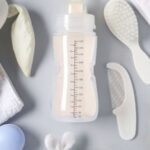
Always wash your hands before preparing a bottle. Use clean bottles and nipples each time. Boil water to kill germs and cool it to the right temperature. Follow instructions on formula packaging exactly. Never add extra water or powder. Test the milk temperature on your wrist before feeding.
Preventing Choking Hazards
Cut food into small, manageable pieces. Avoid hard, round, or sticky foods that can block the airway. Watch your baby closely while eating. Make sure your baby sits upright during feeding. Never leave your baby alone with food. Encourage slow, calm eating to reduce choking risk.
Introducing Solid Foods
Start solids at about six months old. Introduce one new food at a time. Wait three days before trying another new food. Choose soft, mashed, or pureed foods first. Avoid honey and cow’s milk in the first year. Watch for signs of allergies or intolerance carefully.
Car Seat Safety
Car seat safety is crucial for every new parent. It protects your baby during car rides. Choosing the right car seat and installing it correctly can save lives. Learning how to maintain the car seat keeps it safe over time.
Choosing The Right Car Seat
Select a car seat that fits your baby’s age, weight, and height. Infant seats work well for newborns and small babies. Convertible seats grow with your child and last longer. Look for seats with good safety ratings and easy installation features.
Proper Installation Tips
Install the car seat tightly using the seat belt or LATCH system. The seat should not move more than one inch side to side. Always follow the car seat manual and your vehicle’s instructions. Place the seat in the back seat, facing backward for infants.
Car Seat Maintenance
Check the car seat regularly for wear and tear. Clean the cover and harness according to the manufacturer’s guidelines. Replace the car seat after any serious accident. Avoid using expired car seats, as materials can weaken over time.
Bath Time Safety
Bath time is a special moment for parents and babies. It helps babies feel clean and relaxed. Safety during bath time is very important. Small mistakes can cause accidents. Follow simple rules to keep your baby safe and happy.
Water Temperature Control
Always check the water temperature before placing your baby in the tub. Use your wrist or elbow to test the water. It should feel warm, not hot. Ideal bath water temperature is around 98°F to 100°F. Too hot water can burn your baby’s skin. Use a thermometer for accuracy if needed.
Never Leaving Baby Unattended
Never leave your baby alone in the bath, even for a few seconds. Babies can drown in very little water. Keep all bathing supplies within arm’s reach. Stay focused on your baby during the entire bath. If you must leave, take your baby with you.
Using Non-slip Mats
Place a non-slip mat inside the bathtub. It prevents slipping and sliding during bath time. Choose mats that are soft and safe for baby skin. Also, put a non-slip mat outside the tub. It stops accidents from wet floors after bath time.
Health And Hygiene
Keeping your baby healthy and clean is very important. Health and hygiene help protect babies from germs and infections. Good habits in these areas keep your baby safe and happy. Learn simple ways to care for your baby’s health every day.
Regular Hand Washing
Washing hands often stops the spread of germs. Always wash your hands before touching your baby. Use warm water and soap. Clean between fingers and under nails. Wash hands after diaper changes and before feeding. Teach family and visitors to wash hands too. This practice keeps your baby safe from illness.
Safe Diaper Changing
Change diapers regularly to keep your baby comfortable. Use a clean surface for every change. Always clean the diaper area gently with wipes or a damp cloth. Dispose of dirty diapers properly. Wash your hands after each change. This prevents infections and skin rashes. Keep diaper supplies nearby to avoid leaving your baby unattended.
Recognizing Signs Of Illness
Learn to notice when your baby is sick. Watch for fever, cough, or unusual fussiness. Look for changes in eating or sleeping habits. Check for rash or redness on the skin. Early signs need quick attention. Contact a doctor if symptoms worsen. Early care helps your baby recover faster.
Toy Safety
Toys play a big role in a baby’s growth and fun. But safety must come first. Toys can cause harm if not chosen or cared for properly. Knowing how to pick and keep toys safe helps protect your baby from accidents and injuries.
Choosing Age-appropriate Toys
Each toy is made for a specific age group. Toys for older kids may have parts too small for babies. Check the label on every toy before buying. Choose toys designed for your baby’s age and stage. Age-appropriate toys support safe play and learning.
Avoiding Small Parts
Small parts can easily cause choking hazards. Avoid toys with loose buttons, beads, or pieces that can break off. Always choose solid toys with no detachable tiny parts. Make sure toys have no sharp edges or points. Safety means no small objects that fit in your baby’s mouth.
Regularly Inspecting Toys
Toys wear out over time and can become unsafe. Check toys often for cracks, broken pieces, or loose parts. Throw away any damaged toys immediately. Clean toys regularly to keep them free from germs. Regular checks keep your baby’s playtime safe and healthy.
Emergency Preparedness
Emergency preparedness is a key part of keeping your baby safe. Being ready for unexpected situations can make a big difference. It helps you stay calm and act quickly when your baby needs help. Every new parent should know simple steps to prepare for emergencies.
Knowing Infant Cpr
Learning infant CPR is vital for every parent. It teaches you how to help if your baby stops breathing or chokes. CPR can save your baby’s life before medical help arrives. Many hospitals and community centers offer easy CPR classes. Practice regularly to feel confident in an emergency.
Keeping Emergency Contacts Handy
Keep a list of emergency contacts near your phone and diaper bag. Include your pediatrician, poison control, and local emergency numbers. Share this list with family members and babysitters. Having these numbers ready saves precious seconds during a crisis.
Creating A Safe Environment
Prevent emergencies by making your home safe. Remove small objects your baby could swallow. Cover electrical outlets and secure furniture to walls. Keep medicines and cleaning supplies out of reach. A safe space reduces the chance of accidents and injuries.
Frequently Asked Questions
How Can I Baby-proof My Home Effectively?
Start by securing furniture and covering outlets. Use safety gates and keep small objects out of reach. Always supervise your baby to prevent accidents.
What Are The Safest Sleep Practices For Newborns?
Place your baby on their back to sleep. Use a firm mattress with no loose bedding. Keep the crib free of toys and pillows to reduce SIDS risk.
How Often Should I Check Baby’s Toys For Safety?
Inspect toys weekly for loose parts or sharp edges. Discard any broken or damaged toys immediately to avoid choking hazards.
What Temperature Is Safe For A Baby’s Room?
Maintain the room temperature between 68-72°F. Avoid overheating by dressing your baby in light layers and using a fan or air conditioner if needed.
Conclusion
Keeping your baby safe is a top priority for every parent. Simple steps make a big difference daily. Always stay alert and follow safety tips carefully. Create a safe environment to help your child grow happily. Trust your instincts and learn as you go.
Safety is a continuous journey, not a one-time task. Small actions protect your baby from many risks. Stay calm, prepared, and enjoy this special time with your little one.